Key Takeaways
- Best Times to Eat a Protein Bar: Enjoy one before or after a workout, between meals, or during energy dips to support satiety, sustained energy, and muscle recovery.
- Protein Bars for Weight Management: High-protein, portion-controlled bars help curb cravings, stabilize appetite, and support consistent weight-loss or maintenance efforts.
- How Protein Timing Supports Wellness: Strategically eating protein bars throughout the day promotes muscle repair, balanced energy, and better hunger control, making them ideal for busy lifestyles and structured diet plans.
When’s The Best Time To Eat A Protein Bar?
Knowing when to eat a protein bar can make all the difference in how well it supports your energy, hunger control, and overall wellness goals. With busy schedules, unpredictable meal times, and the constant temptation of less nutritious snacks, timing your protein intake can help you stay on track without overthinking every bite.
At Diet Direct, we’ve helped millions of customers build simple, sustainable routines using portion-controlled, high-protein snacks that fit real life, not the other way around. In this article, we’ll break down the best times to enjoy a protein bar based on your daily habits, activity level, and goals, so you can fuel smarter and feel better throughout the day.
Whether you’re grabbing a quick breakfast, refueling after a workout, or managing cravings between meals, understanding optimal timing can turn a convenient snack into a powerful tool for progress.
Understanding Protein Needs: Why Timing Protein Bar Intake Matters
Protein is an essential macronutrient that plays a critical role in nearly every bodily function, from building and repairing tissues (including muscle) to producing enzymes and hormones. While getting enough protein daily is vital, the timing of when you consume that protein can significantly enhance its benefits. This is why timing protein bar intake is crucial for individuals with specific health or fitness goals.
- Muscle Protein Synthesis (MPS): For those focusing on fitness, MPS is the process by which muscle tissue is repaired and grown. Consuming protein at strategic times, particularly around workouts, delivers the necessary amino acids to kickstart this process, optimizing recovery and growth.
- Satiety and Appetite Control: Protein is the most satiating macronutrient. Eating a protein bar at the right moment can help you feel fuller for longer, effectively managing hunger pangs and reducing overall calorie intake, which is critical for weight management.
- Steady Energy Levels: Unlike simple carbohydrates that cause blood sugar spikes and crashes, protein provides a more sustained release of energy. Timing your bar intake correctly can prevent the mid-afternoon slump and keep your focus sharp.
- Optimal Digestion and Absorption: Your body can only process and absorb a certain amount of protein efficiently in one sitting. Distributing your protein intake throughout the day (a concept called "protein pacing") ensures that your body has a constant supply of amino acids when it needs them most, making a convenient protein bar a perfect tool for bridging the gaps between meals.
Should You Eat A Protein Bar Before Or After A Workout?
Fueling workouts and recovery is a common reason for reaching for a protein bar, but timing your snack can make a significant difference depending on your goals and routine. Here’s how to decide when to eat protein bars around your exercise schedule:
Eating a Protein Bar Before a Workout
A pre-workout protein bar provides the amino acids and energy your body needs for peak performance. Consuming one about 30–60 minutes before your session can help stave off hunger, support muscle preservation, and deliver a moderate boost of carbohydrates for stamina. Look for bars that blend protein with a small amount of fiber and carbohydrates to avoid digestive discomfort while maintaining steady energy levels.
Eating a Protein Bar After a Workout
After exercise, your muscles require nutrients to initiate the recovery process. Eating a protein bar shortly after your workout (within about an hour) supplies the necessary amino acids to kickstart muscle repair and minimize soreness. Protein combined with a modest dose of carbs will help replenish glycogen stores and support efficient recovery, especially after intense sessions or resistance training.
How Protein Bars Support Energy And Satiety Between Meals
Protein bars have become a staple for those seeking a more innovative approach to snacking, particularly when managing weight, balancing a busy schedule, or aiming for healthy, sustained energy. Here’s how they help you stay energized and full between meals.
Promote Lasting Fullness
Rich in high-quality protein and often containing added fiber, protein bars slow down the digestion process. This helps curb hunger pangs, keeps cravings at bay, and promotes a longer-lasting feeling of fullness compared to typical snack options.
Sustain Energy Levels
Complex protein blends, such as soy, whey, and casein, provide a steady release of amino acids over time. This gradual absorption helps maintain consistent energy and prevents dramatic blood sugar fluctuations, allowing you to power through your day without mid-afternoon slumps.
Support Muscle Recovery And Maintenance
Amino acids from protein support muscle repair and recovery after exercise or physical activity. Consuming a protein bar between meals or after workouts can help preserve lean muscle mass, which is crucial for metabolism and stamina.
Convenient Nutrient Delivery
Portion-controlled and fortified with essential vitamins and minerals, protein bars offer a balanced source of nutrition. They’re an easy way to fill nutritional gaps, particularly if your schedule doesn’t allow for a complete meal.
Appetite Control Without Excess Calories
Formulated to be low in sugar and calories, quality protein bars are designed to help you stay satisfied without overindulging. This makes them ideal for anyone seeking effective weight management, appetite control, and a healthy lifestyle.
The Best Time For A Protein Bar During A Busy Workday
Fitting smart nutrition into a busy schedule can be challenging. Whether your agenda is filled with meetings, deadlines, or back-to-back appointments, a well-timed protein bar can help you stay focused, energized, and satisfied. If you prefer savory options to mix things up, exploring vegan protein chips can also add variety to your daily snack routine.
The Mid-Morning Slump
Blood sugar levels can dip, and energy can lag for a few hours after breakfast. Reaching for a protein bar mid-morning delivers a balanced mix of protein and fiber, curbing hunger without a sugar crash, keeping you fueled and sharp until lunch.
The Afternoon Energy Dip
Afternoons are notorious for dwindling concentration and growing snack cravings. A protein bar at this time provides a steady release of nutrients and helps fend off the temptation of less nutritious snacks.
This is also a great window to incorporate other supportive options, like low-sodium protein shakes, if you're looking for a lighter yet protein-rich alternative.
On-the-Go Between Meetings
When you’re dashing to your next commitment, a portable protein bar fits seamlessly into your workflow. It delivers essential protein and fiber to keep you full, making it easier to stick to your nutrition goals even on your busiest days.

Using Protein Bars To Reduce Cravings And Support Weight Goals
Protein bars are more than a convenient snack, they can be strategic tools for those looking to curb cravings and achieve healthier weight outcomes. Packed with balanced protein, fiber, and key nutrients, these bars help bridge hunger gaps and support lasting satisfaction.
To find the best protein bar for weight loss, look for options with high protein content, controlled carbohydrate levels, and minimal added sugars.
The Role Of Protein In Appetite Control
High-protein snacks help regulate hunger hormones, keeping you feeling satisfied longer. Protein slows digestion, resulting in a gradual and steady release of energy rather than spikes and crashes. This helps prevent overeating and supports portion control throughout the day.
Managing Sweet Tooth And Snack Urges
Many people struggle most with mid-day or late-night cravings. A protein-rich bar can satisfy a sweet craving without the high sugar content found in traditional snack bars or candy. With flavors like fudge or lemon crisp, protein bars provide a sense of indulgence, making healthier choices enjoyable and sustainable.
Supporting Consistent Weight Management
Consistently including protein bars in your routine can help maintain muscle mass during weight loss and fill nutrient gaps. The fiber content supports digestive health and promotes a sense of fullness, which is crucial for anyone seeking to maintain or lose weight while staying energized and strong.
Timing Protein Bars For Morning, Afternoon, Or Evening Routines
Determining the optimal time to eat a protein bar depends on your individual schedule and specific goals. Whether you're jumpstarting your morning, combating afternoon fatigue, or curbing late-night cravings, a protein bar can fit seamlessly into your day. Here are the optimal windows to consider:
Morning: Kickstart Your Day
A protein bar in the morning offers a quick, balanced alternative to a sit-down breakfast, especially for busy professionals or early risers. The combination of protein and fiber boosts satiety, helping you stay energized and focused during those crucial morning hours. If your mornings are hectic, grabbing a protein bar can prevent mid-morning hunger pangs and support sustained productivity.
Afternoon: Beat the Slump
The afternoon slump is real, energy dips, focus wanes, and cravings for snacks can spike. Reaching for a protein bar during this window helps stabilize blood sugar and keeps you full between meals. It’s an innovative, portion-controlled way to avoid less healthy snacks, support muscle recovery post-lunch workout sessions, and maintain momentum throughout the day.
Evening: Curb Cravings and Support Recovery
Opting for a protein bar in the evening can satisfy post-dinner cravings or offer a nutritious option before bedtime, especially for those managing appetite or practicing portion control. If you're fitting in a late workout, a protein bar assists with muscle recovery and keeps you from reaching for sugary alternatives. It’s a simple, effective way to end the day on a healthy note without derailing your goals.
When To Take Protein Bars On A Structured Diet Or Meal Plan
Navigating a structured diet or meal plan often involves precise timing and purposeful food choices. Protein bars are a strategic option for those who want to stay fueled and satiated while hitting their nutrition goals. Here’s how to make the most of them in your regimen.
As a Breakfast Substitute
Pressed for time or not hungry in the morning? A protein bar can serve as a convenient meal replacement to kick-start your metabolism and help control mid-morning cravings.
Between Meals to Curb Hunger
Eating a protein bar between breakfast and lunch, or lunch and dinner, can help stabilize blood sugar, prevent energy crashes, and keep you on track with portion sizes for main meals.
Pre or Post-Workout Fuel
Before a workout, a protein bar can provide sustained energy; afterward, it aids in muscle recovery and helps keep appetite in check when your focus is on maintaining or building lean muscle mass.
As an Evening Snack
Choosing a protein bar in the evening can help manage nighttime hunger and support long-term diet adherence, especially if you crave something sweet but want to avoid excess sugar or calories.

Final Thoughts
Understanding when to eat protein bars transforms this convenient snack from a simple, quick fix into a highly strategic nutritional tool. As we’ve discussed, the optimal timing is less about a single "right answer" and more about aligning your protein bar intake with your specific daily rhythms and wellness goals, whether that means optimizing muscle recovery post-workout, fighting the afternoon slump, or successfully managing cravings for weight control.
At Diet Direct, we empower you to build simple, sustainable routines. By using high-quality, portion-controlled protein bars at the right moments, be it before exercise for fuel, after for repair, or strategically between meals for satiety, you ensure your body has the continuous supply of amino acids it needs to thrive. Stop guessing and start using your protein bars purposefully to support your health, energy, and fitness goals every single day.
Frequently Asked Questions About When’s The Best Time To Eat A Protein Bar?
Does eating a protein bar in the morning help?
Yes. Starting your day with a protein bar can help manage hunger, support steady energy, and reduce mid-morning cravings. High-protein, low-calorie bars, such as those from Diet Direct, offer a convenient and satisfying option if you’re short on time or want to avoid sugary breakfast foods.
Are protein bars good as a meal replacement?
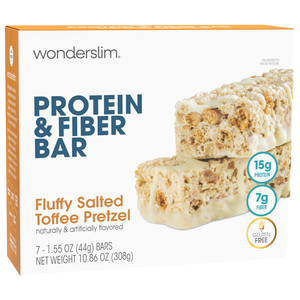
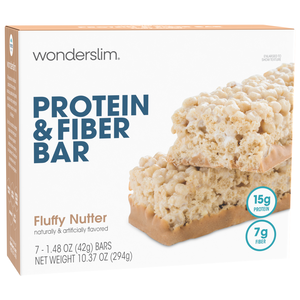
Many high-protein bars, such as Wonderslim and BariWise by Diet Direct, are designed to be nutrient-dense and can serve as a meal replacement in a pinch. They’re packed with balanced protein, fiber, and essential vitamins and minerals. Still, it’s best to use them in conjunction with a varied diet to ensure you receive a full range of nutrients.
How long before exercise should I eat a protein bar?
For optimal results, consume a protein bar approximately 30 to 60 minutes before exercising. This window allows your body time to digest, converting the bar's protein and carbs into usable energy. Wonderslim bars, for example, provide a solid protein boost without weighing you down.
Is it okay to eat a protein bar on an empty stomach?
Yes, eating a protein bar on an empty stomach is perfectly fine. The balanced blend of proteins and fiber in Diet Direct bars can help you feel full and energized, making them a smart option if you need to bridge a long gap between meals or snacks.
Can I eat multiple protein bars a day?
You can, but moderation is key. While Diet Direct bars are designed for smart snacking and meal support, it's crucial to balance your intake with whole foods. Relying solely on bars may mean missing out on beneficial nutrients found in fruits, vegetables, and whole grains.
Do protein bars help with recovery after exercise?
Definitely, consuming a protein bar after a workout can aid muscle repair and recovery, thanks to its complete amino acid profile. Wonderslim and BariWise bars, with up to 15g of protein per serving, are a convenient and effective option for supporting your post-exercise nutrition.