Key Takeaways:
- Structured Meal Plans Drive Results: Planning your meals eliminates guesswork, controls portion sizes, and keeps you consistent with your weight-loss goals.
- Macronutrient Balance Matters: Proper ratios of protein, carbs, and fats optimize fat loss while preserving muscle mass and energy levels.
- Convenience Equals Success: Wonderslim diet kits simplify meal planning with portion-controlled, nutritionally balanced meal replacements that work with real food.
Meal Plans For Weight Loss
Why does weight loss feel manageable on day one, then slowly fall apart by week two? For most people, the issue isn’t effort or motivation; it’s decision fatigue. When every meal requires planning, measuring, and second-guessing, progress can feel like trying to build momentum while constantly stopping to recalculate the route.
At Diet Direct, we’ve spent decades helping people follow structured, realistic weight-loss plans that remove guesswork from eating. Our authority comes from long-standing experience with portion-controlled programs, nutrition-focused product development, and supporting thousands of customers who rely on structure, not willpower alone, to stay consistent. Meal planning has always been central to how we help people simplify weight loss and sustain it long term.
In this piece, we’ll break down meal plans for weight loss, explain how they support consistency, what to look for in an effective strategy, and how structured meal planning can fit into real-life schedules without adding stress.
The Benefits Of Following A Structured Meal Plan
Following a structured meal plan creates consistency, the foundation of successful weight loss. When you know exactly what you're eating each day, you eliminate impulsive food choices that derail progress. A simple meal plan removes decision fatigue and keeps you focused on your goals rather than wondering what to eat next.
Eliminates Guesswork and Reduces Stress
Meal planning removes daily food anxiety. You shop once, using a grocery list for weight loss, prep in advance, and follow your schedule. This systematic approach saves time and mental energy.
Controls Portions Automatically
Structured plans define serving sizes, preventing overeating. Portion control is crucial for creating the calorie deficit needed for fat loss while ensuring you still get adequate nutrition.
Maintains Nutritional Balance
A well-designed 7-day meal plan ensures you receive essential vitamins, minerals, and macronutrients. This prevents deficiencies that can slow metabolism and undermine weight-loss efforts.
Supports Consistent Timing
Regular meal timing can help some people manage hunger and maintain consistent eating patterns. Some research suggests that specific timing strategies, such as time-restricted eating, lower meal frequency, or eating more calories earlier in the day, may support weight loss for specific individuals, though effects vary.
Increases Long-Term Success Rates
Structured, prepared meal plans can lead to greater weight loss and better adherence than usual care or self-directed approaches. Structure creates habits that support progress beyond the initial weight loss phase.
Understanding Macronutrients In Your Weight Loss Diet
Macronutrients, protein, carbohydrates, and fats form the foundation of every meal plan for weight loss. Understanding how each contributes to fat loss helps you create a balanced weekly meal plan that supports your goals while maintaining energy and muscle.
Protein: The Muscle Preservation Powerhouse
Protein is essential for preserving lean muscle during weight loss. For many adults pursuing fat loss, evidence-based recommendations commonly fall around 1.2 to 1.6 grams per kilogram of body weight per day (approximately 0.5 to 0.7 grams per pound), with higher targets sometimes used for very active or lean individuals.
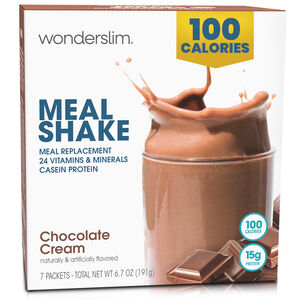
High-protein foods and meal replacements increase satiety, and adequate protein helps prevent muscle loss during calorie restriction. Convenient options like protein shakes for weight loss can simplify daily intake while supporting consistent nutrition. Wonderslim meal shakes feature a protein blend that includes calcium caseinate, a slower-digesting casein protein that may support satiety in some people.
Carbohydrates: Strategic Energy Timing
Carbohydrates provide energy for daily activities and workouts. Focus on complex carbs like vegetables, whole grains, and fruits. Some evidence suggests that eating more of your daily calories earlier in the day can support weight loss outcomes in specific individuals, though individual responses vary.
Fats: Hormone Regulation and Satiety
Healthy fats support hormone production, nutrient absorption, and prolonged fullness. Include sources like avocados, nuts, olive oil, and fatty fish. While calorie-dense, fats are crucial for sustainable weight loss when consumed in appropriate portions.
Finding Your Ideal Ratio
Most effective meal plans for weight loss use a higher protein ratio (30% to 40%), moderate carbs (30% to 40%), and moderate fats (20% to 30%). Individual needs vary based on activity level, metabolism, and preferences. Wonderslim diet kits are nutritionally balanced to provide optimal ratios for successful weight loss.
Essential Nutrients To Include In Your Daily Meal Plan
Beyond macronutrients, micronutrients and fiber play critical roles in weight loss success. A comprehensive healthy eating plan addresses both calorie control and nutritional completeness to support overall health during fat loss.
Fiber for Satiety and Digestive Health
Fiber increases fullness, slows digestion, and supports gut health (BMJ, 2022). Common benchmarks suggest approximately 25 grams per day for women and 38 grams per day for men (or roughly 14 grams per 1,000 calories), adjusted for individual needs. Fiber-rich foods from vegetables, fruits, legumes, and whole grains help naturally control appetite.
Vitamins and Minerals for Metabolic Function
B vitamins support energy metabolism, vitamin D aids calcium absorption and immune function, and iron carries oxygen to cells for energy production. A varied diet rich in vegetables, lean proteins, and high-quality supplements ensures adequate micronutrient intake.
Calcium for Bone Health and Fat Loss
Calcium supports bone density and may enhance fat metabolism. Dairy products, leafy greens, and fortified foods provide this essential mineral. Calcium caseinate protein in Wonderslim products delivers protein alongside calcium benefits.
Hydration as a Cornerstone Nutrient
Water supports every metabolic process, including fat burning. Adequate hydration (8 to 10 cups daily) reduces false hunger signals, supports energy levels, and optimizes physical performance. Many people mistake thirst for hunger, leading to unnecessary calorie consumption.
Antioxidants for Recovery and Health
Antioxidants from colorful fruits and vegetables combat inflammation and support recovery. These compounds protect cells during the stress of weight loss and calorie restriction.
Weekly Meal Plans vs. Daily Meal Prep: What Works Best
Choosing between planning an entire weekly meal plan or prepping daily determines your time investment and flexibility. Both approaches work; the best choice depends on your schedule, preferences, and lifestyle.
Weekly Meal Planning Advantages
Planning a full 7-day meal plan saves significant time. You shop once, prep in bulk, and execute throughout the week. This approach provides maximum consistency and requires less daily decision-making. Weekly planning works best for people with predictable schedules who value efficiency.
Daily Meal Prep Benefits
Daily preparation offers maximum freshness and flexibility. You adapt to schedule changes, cravings, or social events more easily. This approach suits people with variable schedules or those who prefer variety over efficiency.
Hybrid Approach for Best Results
Many successful dieters combine both strategies. Prep protein sources, vegetables, and meal-replacement options weekly, then assemble meals daily based on the schedule and preferences. This provides structure with flexibility, the ideal balance for sustainable weight loss.
How Diet Direct Simplifies Both Approaches
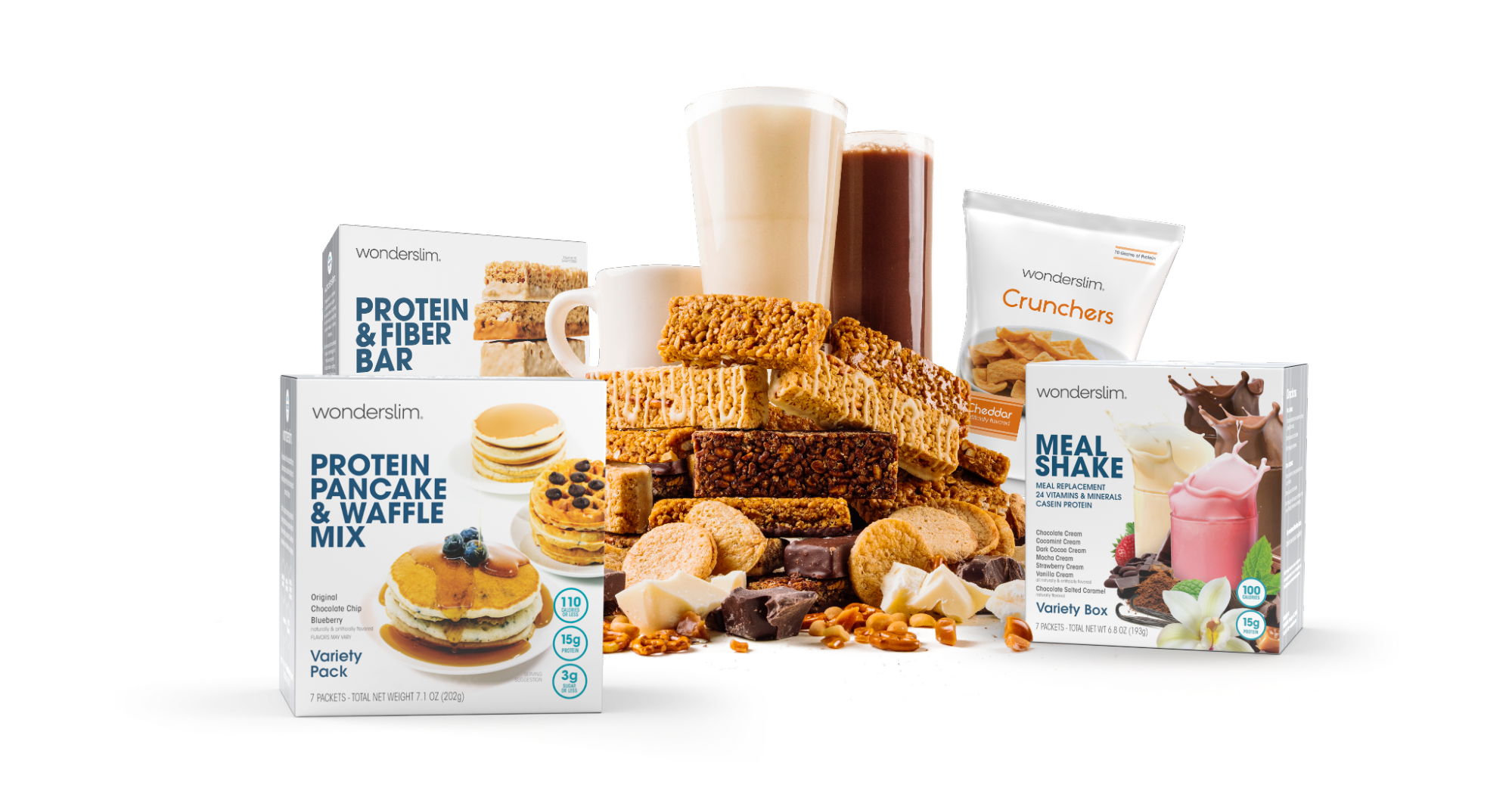
Our diet kits eliminate much of the prep work regardless of your planning style. Our portion-controlled meal replacements, including shakes, protein bars, breakfast items, entrees, and desserts, provide ready-to-eat nutrition. Combine these with simple whole foods, and you have a complete meal plan with minimal preparation time.
For convenient snacking that supports calorie control and satiety, explore the best protein bars for weight loss as part of a balanced plan.

Creating Your First 7-Day Meal Plan
Building your first 7-day meal plan doesn't require perfection; it requires a simple, repeatable structure. Start with these practical steps to create a meal plan for weight loss that fits your lifestyle and delivers results.
Step 1: Calculate Your Calorie Target
Determine your daily calorie needs based on your current weight, activity level, and weight-loss goals. A common starting point used clinically for many adults is a deficit of approximately 500-750 calories per day, which often corresponds to roughly 0.5–1.5 pounds of weight loss per week early on. However, actual rates vary among individuals and change over time. Online calculators provide starting points and adjust based on results after two weeks.
Step 2: Choose Your Meal Frequency
Decide how many times you'll eat daily. We recommend eating every 2 to 3 hours as a structure to help some users manage hunger and stay consistent. Whether you prefer three meals with snacks or five smaller meals, consistency matters more than frequency for most people.
Step 3: Select Core Foods and Meal Replacements
Build a grocery list for weight loss featuring lean proteins, vegetables, fruits, healthy fats, and portion-controlled meal replacements. If you are curious to learn whether meal replacement shakes are healthy, you'll find that our diet kits use high-quality ingredients in shakes, bars, and entrees that require no preparation. Add fresh vegetables, lean proteins, and fruits to complete your plan.
Step 4: Map Out Your Week
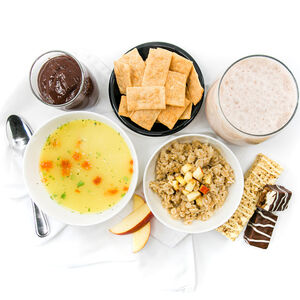
Write down what you'll eat for each meal and snack for seven days. Start simple, repeat successful meals rather than creating variety every day. A basic template might include Wonderslim shakes for breakfast, meal replacement bars for snacks, lean protein with vegetables for lunch, and Wonderslim entrees with a salad for dinner.
Step 5: Prep in Advance
Dedicate 2 to 3 hours weekly to meal prep for beginners. Wash and chop vegetables, portion proteins, and organize Wonderslim products. Having everything ready eliminates excuses and makes following your plan effortless.
Step 6: Track and Adjust
Monitor your results weekly. If you're not losing weight, reduce portions or calories slightly. If you're losing too quickly or feeling fatigued, add small portions of healthy foods. Your first meal plan is a starting point; adjust based on how your body responds.
Common Meal Planning Mistakes To Avoid
Even with good intentions, meal-planning pitfalls sabotage weight-loss progress. Recognizing these common errors helps you create a sustainable, healthy eating plan that delivers consistent results.
Overcomplicating Your Plan
Complex recipes and exotic ingredients create unnecessary barriers. Simple meal plans work best for long-term adherence. Focus on basic proteins, vegetables, and convenient options like WonderSlim meal replacements rather than elaborate dishes you won't sustain.
Insufficient Protein Intake
Under-eating protein leads to muscle loss, slowed metabolism, and increased hunger. Prioritize protein at every meal with lean meats, fish, eggs, or high-protein meal-replacement shakes. This single adjustment dramatically improves weight loss outcomes.
Skipping Meal Prep Sessions
Planning without preparation sets you up for failure. When hunger strikes and nothing is ready, you'll make poor choices. Dedicate specific time to prep; it's an investment in your success, not an optional task.
Creating Too Much Variety
While variety sounds appealing, it complicates shopping, prep, and consistency. Successful dieters often eat similar meals repeatedly. Find 5 to 7 meals you enjoy and rotate them. Monotony in meals creates freedom in results.
Ignoring Hunger Signals
Extreme calorie restriction triggers metabolic adaptation and binge eating. If you're constantly hungry, your plan is too aggressive. Eat adequate calories from nutrient-dense foods and use portion-controlled meal replacements to satisfy hunger while creating a moderate deficit.
Failing to Plan for Obstacles
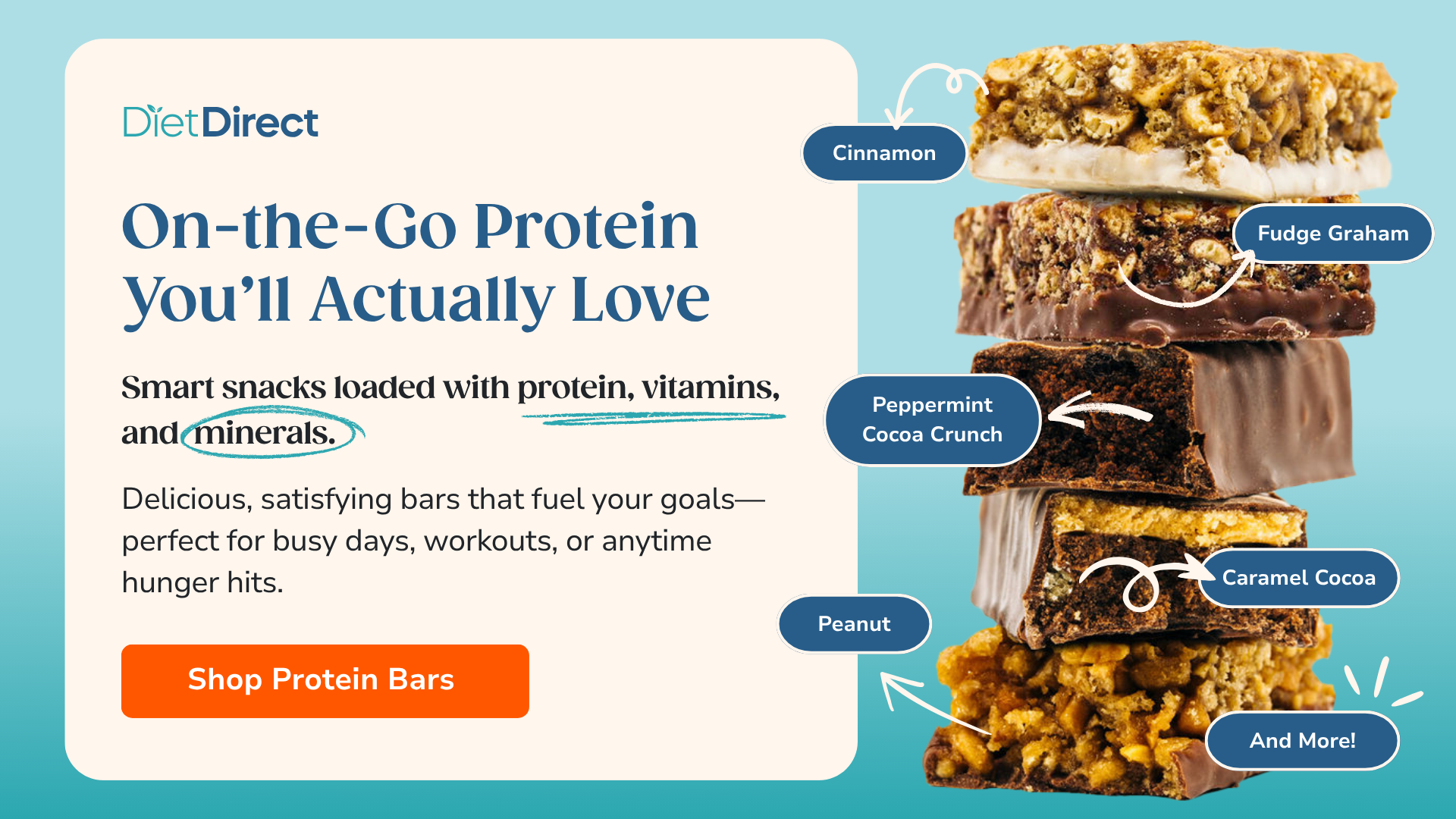
Unexpected events, travel, or social occasions derail rigid plans. Build flexibility with portable options like Wonderslim protein bars and shakes. Having convenient, portion-controlled backups prevents complete plan abandonment during life's interruptions.
Final Thoughts
Creating and following meal plans for weight loss transforms the overwhelming challenge of dieting into a manageable, systematic process. Whether you choose a weekly meal plan approach with extensive prep or prefer the convenience of portion-controlled meal replacement kits, structure is your greatest ally in achieving sustainable fat loss.
The key to success lies not in perfection but in consistency. Start with a simple meal plan, incorporate convenient solutions like Diet Direct products, and adjust based on your results and lifestyle. Remember that every successful weight loss journey begins with a single planned meal and builds from there.
At Diet Direct, we're committed to making your path to better health as straightforward as possible. Our Wonderslim diet kits eliminate the guesswork, while our 100% Satisfaction Guarantee removes the risk. You deserve a meal plan for weight loss that fits your life, not one that requires your life to fit around it.
Frequently Asked Questions About Meal Plans For Weight Loss
What is a meal plan for weight loss, and how does it differ from just dieting?
A meal plan for weight loss is a structured schedule outlining specific foods, portions, and timing to create a controlled calorie deficit. Unlike general dieting, which often involves vague restrictions, a meal plan provides clear guidance on what, when, and how much to eat, eliminating guesswork and increasing success rates.
What macronutrients should I focus on when creating a 7-day meal plan?
Prioritize protein (30% to 40% of calories) to preserve muscle and increase satiety, moderate carbohydrates (30% to 40%) for energy, and healthy fats (20% to 30%) for hormone function. This balanced ratio supports fat loss while maintaining energy and metabolic health throughout your weight loss journey.
How often should I eat when following a structured meal plan for weight loss?
Meal frequency is largely a matter of personal preference and adherence. Some people do well with 5 to 6 smaller meals or 3 main meals with 2 to 3 snacks daily (eating every 2 to 3 hours), while others prefer fewer, larger meals. Choose a pattern that helps you stick to your calorie and nutrient goals.
How do I create an effective grocery list for weight loss?
Focus on lean proteins (chicken, fish, eggs), non-starchy vegetables, fruits, healthy fats (avocado, nuts, olive oil), and portion-controlled meal replacements. Shop the store perimeter for whole foods and stock convenient options like Wonderslim products to ensure you always have compliant choices available.
What are the most common mistakes people make when starting a meal plan?
The biggest mistakes include overcomplicating recipes, insufficient protein intake, skipping meal prep, creating too much variety, and setting overly aggressive calorie targets. Start simple with basic foods and convenient meal replacements, then adjust based on results and sustainability.
How should I store prepped meals to keep them fresh throughout the week?
Use airtight containers and refrigerate cooked meals for about 3-4 days, following food-safety guidance; when in doubt, discard if odor or texture changes. You can freeze meals for more extended storage. Keep proteins and vegetables separate until ready to eat for better texture – label containers with dates and contents. Wonderslim meal replacements require no refrigeration, making them ideal for work, travel, or busy days.
Sources:
- Liu, H. Y., Eso, A. A., Cook, N., O’Neill, H. M., & Albarqouni, L. (2024). Meal Timing and Anthropometric and Metabolic Outcomes. JAMA Network Open, 7(11), e2442163. https://doi.org/10.1001/jamanetworkopen.2024.42163
- McKeown, N. M., Fahey, G. C., Slavin, J., & van der Kamp, J.-W. (2022). Fibre Intake for Optimal health: How Can Healthcare Professionals Support People to Reach Dietary recommendations? BMJ, 378, e054370. https://doi.org/10.1136/bmj-2020-054370