Hear What Others Say
Key Takeaways:
- Protein coffee (proffee) supports weight management and satiety: Adding protein to coffee may help you feel fuller longer and reduce mid-morning snacking.
- You can make proffee hot or iced with simple steps: Proper mixing techniques prevent clumping and ensure a smooth texture every time.
- Choosing the right protein powder improves results: Look for high-quality, low-sugar options that align with your dietary goals for the best-tasting and most effective protein coffee recipe.
Protein Coffee Recipe: How To Make The Perfect Proffee (Hot or Iced)
Starting your day with a protein coffee recipe gives you the best of both worlds: a delicious caffeine boost paired with the nutritional benefits of quality protein. Whether you're rushing out the door, looking for a post-workout refresh, or simply want a more satisfying morning beverage, learning how to make the perfect proffee can transform your daily routine. This simple drink has become a favorite among those managing their weight, following structured meal plans, or anyone who wants more from their morning cup.
At Diet Direct, we’ve spent years helping people build realistic, protein-forward habits that support weight loss without overcomplicating daily routines. Through structured plans and high-protein options like Wonderslim, we’ve seen how small adjustments, like adding protein to familiar favorites, can improve satiety, support steady energy, and make consistency easier.
In this piece, we’ll show you how to make the perfect protein coffee recipe, whether you prefer it hot or iced, along with practical tips to get the flavor, texture, and protein balance just right.
What Is A Protein Coffee Recipe (Proffee)?
A protein coffee recipe, affectionately known as "proffee," is exactly what it sounds like: coffee mixed with protein powder to create a nutrient-rich beverage that serves as both an energizing drink and a protein source. This combination has gained tremendous popularity among fitness enthusiasts, busy professionals, and anyone following a weight management plan because it offers a convenient way to increase daily protein intake without adding extra meals or complicated preparation.
The beauty of a proffee recipe lies in its simplicity and flexibility. You're combining two everyday ingredients, brewed coffee and protein powder, to create something greater than the sum of its parts. The caffeine from the coffee provides alertness and focus, while the protein supports muscle maintenance, helps stabilize energy levels, and keeps you feeling satisfied longer than coffee alone ever could (Nehlig, 2010).

Why Add Protein To Your Morning Coffee?
Adding protein to your morning coffee transforms an ordinary beverage into a functional drink that supports your body's needs throughout the day. While coffee alone provides a quick energy boost, combining it with protein creates a more balanced, sustained source of fuel that can support your health and wellness goals.
Keeps You Fuller Longer
Protein naturally takes longer to digest than carbohydrates (Halton & Hu, 2004), which means adding it to your coffee may help extend feelings of fullness and satisfaction, especially when it replaces a lower-protein breakfast or sugary coffee drinks.
When you drink a protein coffee instead of plain coffee, you're less likely to experience mid-morning hunger pangs or reach for unhealthy snacks before lunch. This satiety effect is particularly valuable for anyone following a calorie-controlled diet or trying to better space out meals.
Supports Muscle Maintenance
Every time you consume protein, you're providing your body with the amino acids it needs to maintain and repair muscle tissue. Starting your day with a protein coffee drink ensures you're getting these essential building blocks early, which is especially important if you exercise in the morning or have an active lifestyle. Casein proteins digest more slowly than whey and can support a more prolonged rise in blood amino acids over several hours (Boirie et al., 1997).
Stabilizes Energy Levels
Some people find protein coffee more sustaining than coffee alone, possibly because it adds calories and nutrients that provide steady fuel throughout the morning. This combination can help create more consistent alertness and focus during your morning hours, though individual responses to caffeine vary.
Fits Seamlessly Into Weight Management Plans
For those following structured weight-loss programs or meal plans, a protein coffee recipe can serve as a convenient meal replacement or a substantial snack. It provides nutrition without excessive calories, helps control appetite, and supports the modest increase in energy expenditure associated with protein digestion. Plus, it's much more satisfying than skipping breakfast or relying on sugary coffee drinks.
Browsing a full range of protein drinks can also help you compare ingredient lists and nutritional profiles before deciding which product will blend best into your daily routine.
Protein Coffee Recipe For Weight Loss Support
Using a protein coffee recipe as part of your weight-loss strategy offers practical benefits beyond simple calorie counting. When prepared thoughtfully, this drink becomes a tool that helps you manage hunger, maintain energy, and stick to your nutritional goals without feeling deprived.
Creates a Satisfying Meal Replacement Option
A well-made proffee recipe can function as a complete breakfast replacement when you use quality protein powder and add complementary ingredients. Unlike some specialty coffee drinks that can contain several hundred calories depending on size and add-ins like syrups, sweetened creamers, and whipped cream, a homemade protein coffee provides balanced nutrition that keeps you satisfied until your next meal. This makes it easier to control total daily calorie intake without constant hunger or cravings.
Reduces Temptation for High-Calorie Coffee Drinks
Making your own protein coffee drink at home lets you control exactly what goes into your cup, typically resulting in a beverage with significantly fewer calories but more nutritional value than many commercial options. You get the flavored coffee experience you enjoy without derailing your diet.
Makes Intermittent Fasting More Manageable
For those practicing intermittent fasting, the question of whether protein coffee breaks a fast depends on your specific protocol. While it does contain calories and technically breaks a fast in most common definitions, many people find that a protein coffee made with quality ingredients helps them extend their fasting window more comfortably than plain coffee alone, particularly when transitioning into this eating pattern. The protein helps control hunger without triggering the same digestive response as a full meal.
How To Make Hot Proffee Step By Step
Creating a smooth, delicious hot protein coffee at home is easier than you might think. The key is following a simple process that prevents clumping and ensures your protein powder blends seamlessly with your coffee.
Brew Your Coffee as Usual
Start by brewing your favorite coffee using your preferred method: drip coffee maker, French press, pour-over, or espresso machine. The type of coffee you choose is entirely up to your taste preferences, though medium- to dark-roasted coffees tend to complement protein powder flavors particularly well. Brew it slightly stronger than usual if you plan to add other ingredients, as they'll dilute the coffee flavor somewhat.
Let It Cool Slightly
This step is crucial for preventing clumpy protein coffee. Allow your freshly brewed coffee to cool for about 2-3 minutes. You want it still hot but not near-boiling, as extremely high temperatures can cause many protein powders to aggregate or clump. Letting it cool briefly improves mixability for most formulations.
Add Your Protein Powder
Measure out your protein powder, typically one scoop or about 20-30 grams, depending on your nutritional goals and the product's serving size. Add it to a separate cup or shaker bottle first, not directly to your mug of hot coffee. This preparation makes the mixing process much smoother.
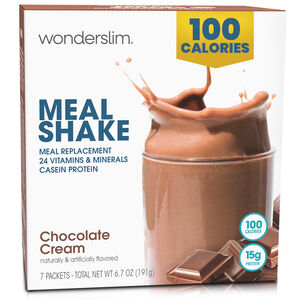
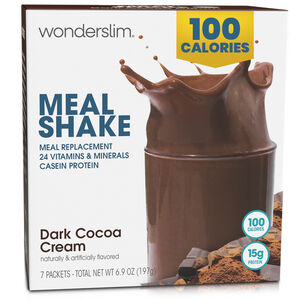
Prefer to skip the measuring altogether? Wonderslim Meal Replacement Shakes come pre-portioned with 15g of protein per serving and mix easily into your routine — no scooping or calculating required.
Blend or Shake Thoroughly
Transfer your slightly cooled coffee to a blender or shaker bottle, then add the protein powder and blend for 10-15 seconds until completely smooth. If you don't have either tool, you can whisk vigorously in a large mug, though this method requires more effort and may not eliminate all clumps. A handheld milk frother also works beautifully for this step.
Customize to Your Taste
Pour your blended protein coffee into your favorite mug and add any desired extras like unsweetened almond milk, a dash of cinnamon, sugar-free syrup, or a small amount of sweetener. These additions let you personalize your proffee recipe while keeping it aligned with your dietary goals.
How To Make Iced Proffee At Home
An iced protein coffee offers the same nutritional benefits as the hot version but with a refreshing twist that's perfect for warm weather or post-workout recovery. The cold preparation method actually makes it even easier to achieve a smooth, clump-free result.
Start With Cold Brew or Cooled Coffee
The foundation of great iced proffee is properly chilled coffee. You can either brew cold brew concentrate ahead of time (which produces a naturally smoother, less acidic base) or brew regular hot coffee and let it cool completely in the refrigerator. Never pour protein powder into hot coffee and then add ice, as the temperature shock can cause unwanted texture issues.
Combine Protein Powder With Cold Liquid
In a shaker bottle or blender, combine your protein powder with a small amount of cold water, unsweetened almond milk, or other preferred liquid. Shake or blend until smooth. This pre-mixing step ensures your protein dissolves completely before meeting the coffee, preventing the grainy texture that can occur when protein powder meets cold beverages directly.
Add Your Chilled Coffee
Pour your cold brew or cooled coffee into the shaker bottle or blender, then add the pre-mixed protein. Shake or blend again briefly to incorporate everything smoothly. The protein should already be dissolved, so this step just evenly distributes the flavors throughout the drink.
Build Your Iced Drink
Fill a large glass with ice cubes, then pour your blended iced protein coffee over the ice. The drink will be cold, smooth, and perfectly mixed. If you prefer a thicker consistency, similar to a coffee protein shake, use less liquid and blend with ice cubes to create a more frozen texture.
Enhance With Mix-Ins
Iced proffee is particularly fun to customize with additions like sugar-free vanilla syrup, a splash of unsweetened coconut milk for creaminess, a sprinkle of cocoa powder for a protein mocha recipe, or even a pinch of sea salt to enhance the coffee flavor. These small touches make your homemade version rival anything you'd find at a coffee shop.
Choosing The Right Protein Powder For Proffee
The protein powder you select dramatically impacts both the taste and texture of your protein coffee drink, so understanding your options helps you create a proffee recipe you'll actually look forward to drinking every day.
Consider the Protein Source
Different protein types behave differently in coffee and offer varying nutritional benefits. Whey protein is popular because it dissolves easily and comes in many flavors, making it easy to create a tasty protein latte. However, if you're looking for sustained energy and appetite control, products containing casein protein offer benefits because they digest more slowly than whey, which may prolong amino-acid availability.
If you're following a structured high-protein diet, choosing a protein powder designed to support that approach can help ensure your proffee aligns with your overall nutrition strategy. Wonderslim Meal Replacement Shakes feature a calcium caseinate protein blend — making them a convenient option whether you're mixing them into coffee or using them as a standalone meal replacement.
Pay Attention to Flavor Profiles
The flavor of your protein powder should complement coffee rather than clash with it. Vanilla, chocolate, mocha, and caramel flavors work particularly well in protein coffee recipes because they enhance the coffee's natural taste. Unflavored protein powder gives you complete control over the final flavor but may require additional sweeteners or flavorings to make your drink enjoyable.
You can also explore ready-made high-protein hot drinks for inspiration, especially if you enjoy warm, comforting beverages that already balance flavor and nutrition.
Check the Ingredient List
Look for protein powders with minimal added sugars, especially if you're using proffee for weight loss support. Quality meal-replacement products are formulated specifically for weight management, with balanced nutrition and appropriate calorie levels. Avoid powders that tend to foam excessively, as these can create an unpleasant texture in your coffee.
Test the Mixability
Some protein powders blend smoothly into liquids while others clump stubbornly no matter what you do. Products specifically designed as meal replacements typically have better mixability because they're formulated to dissolve in various liquids. Read reviews or start with small quantities to test how well a protein powder incorporates into coffee before committing to a large container.
Match Your Dietary Needs
Choose protein powders that align with your specific dietary requirements. Diet Direct offers gluten-free and low-carb options that work perfectly in protein coffee recipes while supporting various nutritional goals. These specialized formulations ensure your proffee fits seamlessly into your broader diet plan without compromising your progress.

Final Thoughts
A protein coffee recipe offers a practical, delicious way to enhance your morning routine while supporting your health and wellness goals. Whether you prefer hot protein coffee to warm up your day or an iced version for refreshing fuel, mastering proffee gives you a valuable tool for managing nutrition without sacrificing convenience or taste.
The key to long-term success with protein coffee is finding the right combination of coffee type, protein powder, and preparation method that works for your preferences and lifestyle. Experiment with different variations, adjust the ratios to suit your taste, and don't be afraid to customize your drink with healthy additions that make it uniquely yours.
At Diet Direct, we understand that sustainable weight management requires practical solutions that fit into real life. Our Wonderslim meal-replacement shakes are formulated to provide sustained nutrition that supports your wellness journey. Whether you're using them in your proffee recipe or as complete meal replacements, we're committed to supporting your journey with quality products and exceptional customer service.
Frequently Asked Questions About Protein Coffee Recipe: How To Make The Perfect Proffee (Hot or Iced)
What is a proffee, and how is it different from regular coffee?
Proffee is coffee mixed with protein powder, creating a beverage that provides both caffeine and protein. Unlike regular coffee, which only offers energy, proffee delivers sustained nutrition that helps keep you full, supports muscle maintenance, and can serve as a meal replacement when prepared properly.
Can protein coffee help with weight loss?
Yes, protein coffee can support weight loss by increasing satiety, helping control appetite, and providing nutrition without excessive calories. The protein helps preserve muscle mass during calorie restriction and supports the modest increase in energy expenditure associated with protein digestion (Westerterp, 2004).
How do I make protein coffee without it getting lumpy or clumpy?
Let hot coffee cool slightly before adding protein powder, then blend or shake thoroughly rather than just stirring. For cold versions, pre-mix the protein powder with a small amount of liquid first, then add the coffee. Using a blender, shaker bottle, or milk frother produces the smoothest results.
How much protein powder should I add to my coffee?
Most people add one scoop (20 to 30 grams) of protein powder per cup of coffee, though you can adjust based on your nutritional goals and taste preferences. Start with the recommended serving size on your protein powder container and modify from there to find your ideal ratio.
Does adding protein to coffee help with intermittent fasting?
While protein coffee does contain calories and, in most common definitions, technically breaks a fast, some people find it helps them extend their fasting window more comfortably than other foods. Whether it fits your intermittent fasting protocol depends on your specific approach and goals, so consider your individual needs when deciding.
Is it better to use whey or collagen in a proffee recipe?
Both work, but they offer different benefits. Whey protein dissolves easily and supports muscle building with complete amino acids. Collagen supports joint and skin health, but isn't a complete protein because it lacks adequate amounts of essential amino acids (Wu, 2016). For sustained energy and appetite control, casein protein digests more slowly than whey, which may prolong amino-acid availability.
Sources:
- Halton, T. L., & Hu, F. B. (2004). The effects of high protein diets on thermogenesis, satiety and weight loss: A critical review. Journal of the American College of Nutrition, 23(5), 373–385. https://doi.org/10.1080/07315724.2004.10719381
- Boirie, Y., Dangin, M., Gachon, P., Vasson, M., Maubois, J., & Beaufrère, B. (1997). Slow and fast dietary proteins differently modulate postprandial protein accretion. Proceedings of the National Academy of Sciences, 94(26), 14930–14935. https://doi.org/10.1073/pnas.94.26.14930
- Westerterp, K. R. (2004). Diet induced thermogenesis. Nutrition & Metabolism, 1(1), 5. https://doi.org/10.1186/1743-7075-1-5
- Wu, G. (2016). Dietary protein intake and human health. Food & Function, 7(3), 1251–1265. https://doi.org/10.1039/C5FO01530H
- Nehlig, A. (2010). Is caffeine a cognitive enhancer? Journal of Alzheimer’s Disease, 20(s1), S85–S94. https://doi.org/10.3233/JAD-2010-091315