Key Takeaways
- Use a Protein Calculator for Personalized Results: Everyone’s protein needs are different. Using a protein calculator for weight loss provides a custom daily target that aligns with your body, activity level, and goals.
- Protein Supports Fat Loss and Muscle Preservation: Adequate protein intake boosts metabolism, preserves lean muscle during calorie deficits, and reduces hunger, key factors in achieving long-term weight management.
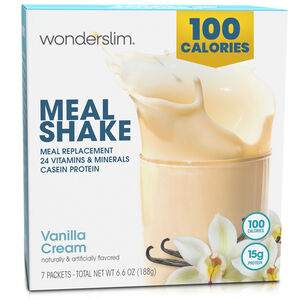
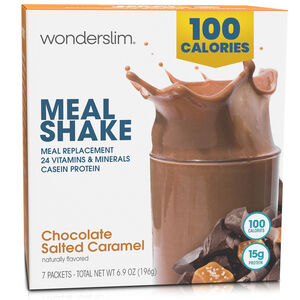
- Meet Your Goals with High-Protein, Balanced Products: Incorporating structured, portion-controlled options, such as Wonderslim shakes and protein snacks, helps simplify meal planning and ensures you consistently meet your daily protein targets.
How Much Protein You Need To Lose Weight
Figuring out how much protein you need to lose weight can feel confusing, especially when every source seems to offer a different “perfect number.” In reality, the proper protein intake isn’t a one-size-fits-all guideline. It depends on your goals, your routine, and how your body responds to nutrition. And in this blog post, we’ll help you understand precisely how to determine your ideal protein needs in a clear, practical way.
At Diet Direct, we’ve spent years helping customers reach their weight loss goals with structured, portion-controlled products, including Wonderslim shakes, high-protein bars, and balanced meal replacements. We know that protein plays a crucial role in appetite control, weight management, and maintaining lean muscle, especially when calorie intake is reduced.
In this guide, we’ll examine how to set your daily protein target for weight loss using a protein calculator, identifying factors that influence your ideal intake, and how to consistently meet those goals with foods and products that support your progress.
Why Protein Is Crucial For Weight Loss And Fat Burning
Protein isn’t just a dietary building block; it’s pivotal when pursuing healthy, sustainable weight loss. Increasing your protein intake supports your body’s natural ability to burn fat efficiently, maintain lean muscle, and keep hunger at bay. Here’s why protein takes center stage:
To learn how different protein options can support your goals, check out these protein shakes for weight loss.
Supports Lean Muscle Preservation
When you’re eating at a calorie deficit, your body may break down muscle as well as fat for energy. Adequate protein intake helps preserve your hard-earned lean muscle, ensuring more of your weight loss comes from fat rather than muscle tissue.
Enhances Fat Burning Through Thermogenesis
Digesting protein requires more energy than carbs or fat, a phenomenon known as the thermic effect of food. This built-in metabolic boost means your body burns more calories simply by processing protein.
Reduces Hunger And Cravings
Protein is well-known for its ability to satiate hunger. Higher-protein meals help control appetite and reduce cravings, making it easier to maintain a calorie deficit without feeling deprived.
Helps Manage Blood Sugar And Energy
Consuming protein with meals slows the absorption of glucose, supporting steady energy levels throughout the day. Stable blood sugar can prevent energy crashes and make it easier to stick to healthy eating habits.
Supports The Use Of A Protein Calculator For Weight Loss
Because protein needs vary from person to person, depending on weight, age, activity level, and goals, a protein calculator for weight loss can help you personalize your intake for optimal results.
How A Protein Calculator For Weight Loss Helps You Stay On Track
A protein calculator for weight loss is a powerful tool for staying on track, as it provides a personalized, specific, and actionable goal, moving you beyond general diet advice into effective execution. Here is how a dedicated protein calculator helps you maintain consistency and achieve results:
Establishes Your Precision Target
- Ends the Guesswork: Instead of aiming for a vague "high protein" diet, the calculator uses your unique data (weight, activity level, age, and goal) to provide a precise number in grams (e.g., 120 grams per day).
- Optimal Intake for Fat Loss: For weight loss, you need to eat enough protein to preserve metabolically active lean muscle mass while in a calorie deficit. The calculator determines this optimized level, preventing muscle loss that often stalls progress.
If you’re exploring different protein sources, you might also find it helpful to learn more about high-protein shakes and how they can fit into your daily intake plan.
Enhances Consistency And Habit Building
- A Clear Metric: You get a single, non-negotiable number to track daily. This simplicity makes protein tracking a sustainable habit, unlike constantly shifting your calorie goal.
- Meal Planning Foundation: Knowing your daily target allows you to strategically distribute protein across your meals and snacks (e.g., 30 grams at breakfast, 40 grams at lunch, etc.). This structure ensures you consistently hit your goal, preventing you from scrambling to consume the bulk of your protein late in the day.
Maximizes Protein’s Weight Loss Benefits
- Appetite Control: High protein intake increases satiety, helping you feel fuller for a longer period. Hitting the goal calculated by the tool helps manage the hunger and cravings that often derail diet plans.
- Thermic Effect of Food (TEF): Protein has the highest TEF, meaning your body burns more calories simply to digest it compared to fats or carbs. By ensuring you hit your target, you maximize this metabolic advantage.
- Better Recovery: If you are exercising to lose weight, adequate protein is essential for muscle repair and recovery. A calculator-determined goal ensures you're providing your body with the building blocks it needs to recover, allowing for more consistent and intense workouts.
Understanding Protein Needs: Daily Recommendations And Factors
Getting the right amount of protein is crucial when you’re trying to lose weight. It’s not just about hitting a magic number; your ideal protein intake depends on multiple key factors that can affect your journey and results.
Protein Recommendations for Weight Loss
For most adults seeking to lose weight, daily protein recommendations typically range from 0.6 to 1.0 grams of protein per pound of body weight. This range helps preserve lean muscle mass during calorie deficits, encourages satiety, and supports your metabolism.
Factors That Influence Protein Requirements
Physically active individuals, especially those engaged in resistance or endurance training, may benefit from protein amounts toward the higher end of the recommended range. People with higher lean muscle mass or those seeking to maintain muscle during weight loss may require more protein than those with higher body fat percentages.
Protein needs can also increase with age due to natural muscle loss over time, making it important for older adults to ensure adequate intake. If you’re following a more restricted calorie diet, boosting your protein proportion can help curb hunger and minimize muscle loss.
Using A Protein Calculator For Weight Loss
For a more personalized estimate, a “protein calculator for weight loss” can factor in your age, weight, activity level, and goals. This helps tailor your daily intake to match your body’s unique requirements, supporting sustainable and effective results.
Calculating Your Macros: Using A Protein Macro Calculator Effectively
A Protein Macro Calculator, often simply called a "macro calculator," is the definitive tool that takes the guesswork out of nutrition. While a basic protein calculator gives you a single number for protein, a full macro calculator provides a comprehensive blueprint by splitting your total daily calories into the three essential energy-giving macronutrients: protein, carbohydrates, and fats. Here is an effective guide to understanding and using this tool for weight loss:
The Calculation Process: From Body To Blueprint
The macro calculator first estimates your Total Daily Energy Expenditure (TDEE). This is the total number of calories your body burns in a day, factoring in your Basal Metabolic Rate (BMR) and your daily activity level.
- BMR: The calories your body burns at rest to keep you alive.
- Activity Factor: This adjusts your BMR based on your level of physical activity (sedentary, light exercise, moderate, etc.).
For weight loss, the calculator will automatically apply a caloric deficit, reducing your TDEE by a safe percentage (usually 15-25%), ensuring you burn more energy than you consume. This final, lower number is your daily calorie target.
For effective weight loss, it is crucial to protect your lean muscle mass. The calculator will allocate a high percentage of your total calories to protein, often based on your body weight (e.g., $0.8$ to $1.2$ grams per pound of goal weight). This provides the specific protein number in grams you need for satiety and muscle preservation.
Once the essential protein requirement is met, the calculator divides the remaining calories between carbohydrates and fats based on a determined ratio (e.g., 40% Carbs, 30% Protein, 30% Fat).
- Carbohydrates: These fuel your workouts and daily energy. The calculator ensures you have enough for the function without overshooting your energy needs.
- Fats: These are vital for hormone production and nutrient absorption. The calculated fat goal prevents you from dipping too low, which can have a negative impact on your health.
The final output is your daily nutrition blueprint: X grams of Protein, Y grams of Carbs, and Z grams of Fat.
Using The Blueprint Effectively
The true effectiveness of the protein macro calculator lies in how you apply the results:
- Portion Control: Use the final grams as a daily budget. Instead of just counting total calories, you are ensuring the quality of those calories supports muscle and satiety.
- Meal Structuring: Plan your meals around hitting your protein target first. Once the most critical macro for weight loss is addressed, you can fill in the remaining budget with nutrient-dense sources of carbohydrates and fats.
- Flexible Dieting: This macro-based approach allows flexibility. If you eat more fat at lunch, you simply compensate by eating fewer grams of fat at dinner, ensuring your total daily numbers are met. This adaptability makes the diet sustainable in the long run.
- Regular Adjustment: As you lose weight, your BMR and TDEE change. To maintain momentum, effective use means re-running the macro calculator every 4-6 weeks to ensure your "daily protein goal calculator" results are still optimized for your new body weight.
How To Set Your Daily Protein Goal For Effective Weight Management
Determining the right amount of protein is crucial for supporting weight loss, boosting satiety, defending lean muscle, and helping your metabolism function optimally. Here’s how you can personalize your daily protein goal for a sustainable and successful journey.
Calculate Protein Needs Using A Protein Calculator For Weight Loss
A straightforward protein calculator for weight loss takes into account your age, weight, activity level, and overall goals. Enter your details, and you’ll receive a suggested range in grams per day. Most adults aiming to lose weight find success with 0.6 to 1 gram of protein per pound of body weight, depending on their level of activity and current muscle mass.
Factor In Your Activity Level And Lifestyle
If you’re active, whether that means frequent gym sessions or regular walks around the neighborhood, you may need protein at the higher end of your recommended range. Regular exercisers, those with physically demanding lifestyles, and individuals over 40 (who experience natural muscle loss with age) often benefit from additional protein to help preserve and build muscle.
Adjust As Your Weight Changes
As weight loss progresses, it’s important to reassess your protein requirements periodically. Using the same protein calculator for weight loss, update your weight every few weeks to fine-tune your intake, ensuring you continue to meet your target without overshooting.
Spread Protein Intake Throughout The Day
Rather than consuming most of your protein in one meal, aim to distribute it evenly across breakfast, lunch, dinner, and snacks throughout the day. This supports muscle repair, keeps you fuller longer, and maintains steady energy levels.
Best High-Protein Products From Diet Direct To Meet Your Goals
Adding the right high-protein products to your daily routine can help you easily reach your calorie and protein targets, whether you're using a protein calculator for weight loss or simply focusing on building healthier habits. Here's a quick look at some standout options designed to fit a variety of dietary needs and busy lifestyles.
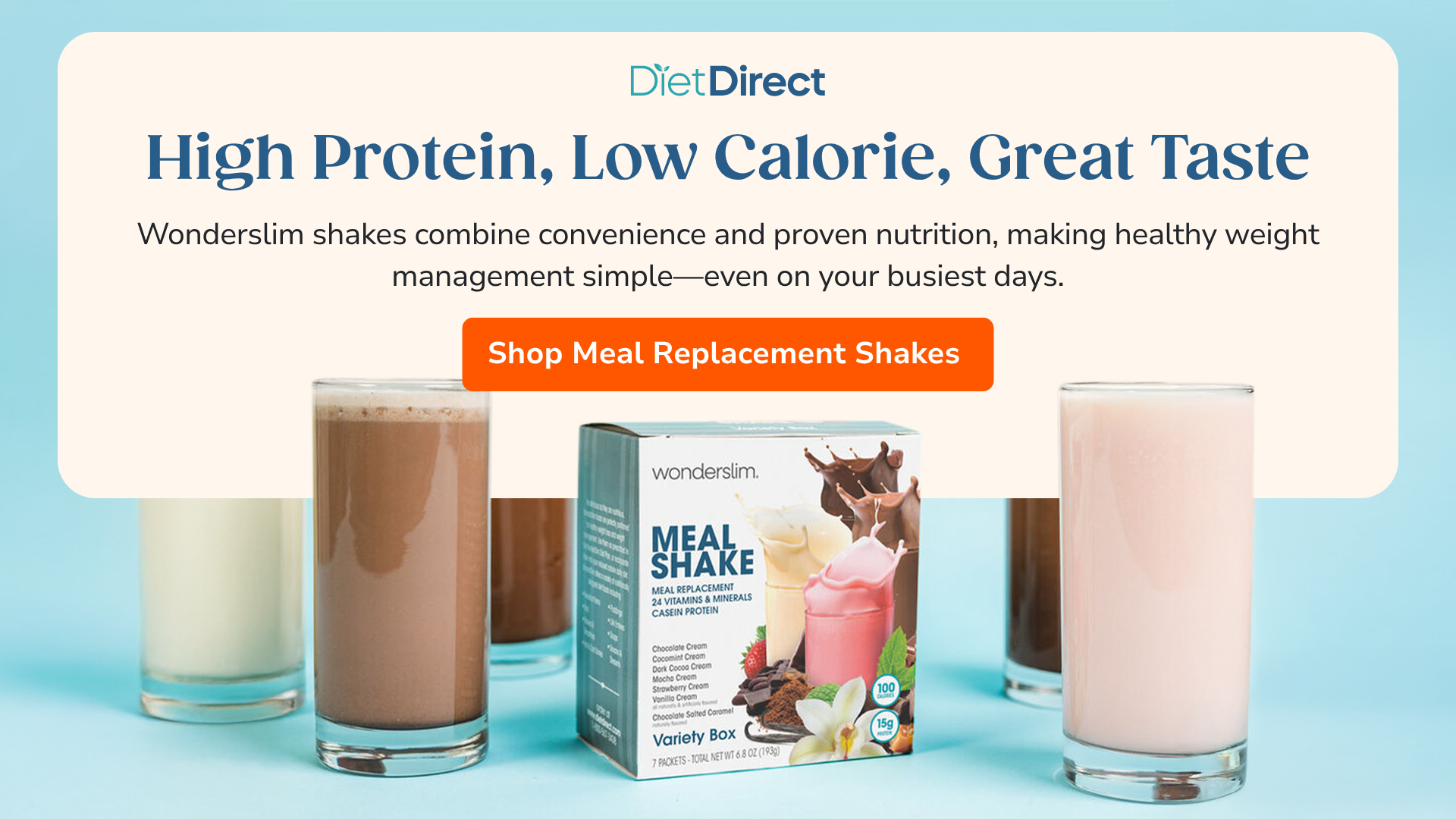
Wonderslim Meal Replacement Shakes
Wonderslim by Diet Direct offers meal replacement shakes formulated to provide a carefully calibrated dose of protein per serving. They’re ideal for anyone looking for convenient nutrition to support a structured weight management journey.
If you're curious about whether certain meal replacements support this strategy, this guide on whether meal replacement shakes are healthy offers deeper insight.
Wonderslim Protein Snacks
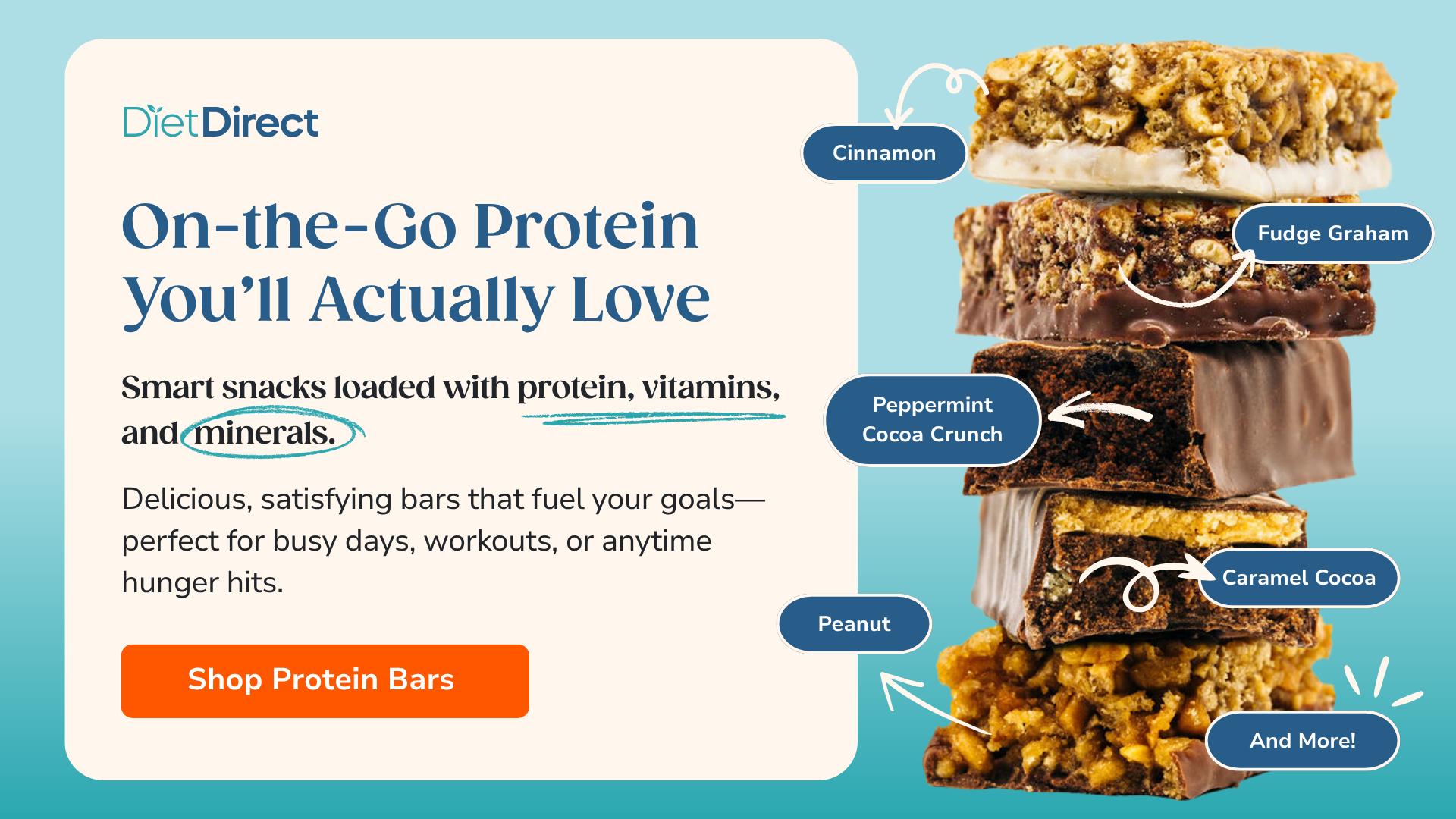
Wonderslim protein snacks make it easy to boost your protein intake without added effort. These are crafted for quick, satisfying bites between meals, helping you avoid less nutritious temptations. For extra ideas, explore our range of high-protein snacks.
High-Protein Snack Bars
Perfect for the mid-afternoon slump or post-workout recovery, our snack bars combine rich flavor with smart formulations. Each option is carefully crafted to deliver a balanced blend of protein, macros, and controlled calories, helping you stay satisfied while avoiding sugary, empty-calorie snacks.
You can discover our curated selection of the best protein bars for weight loss for even more ways to stay on track.
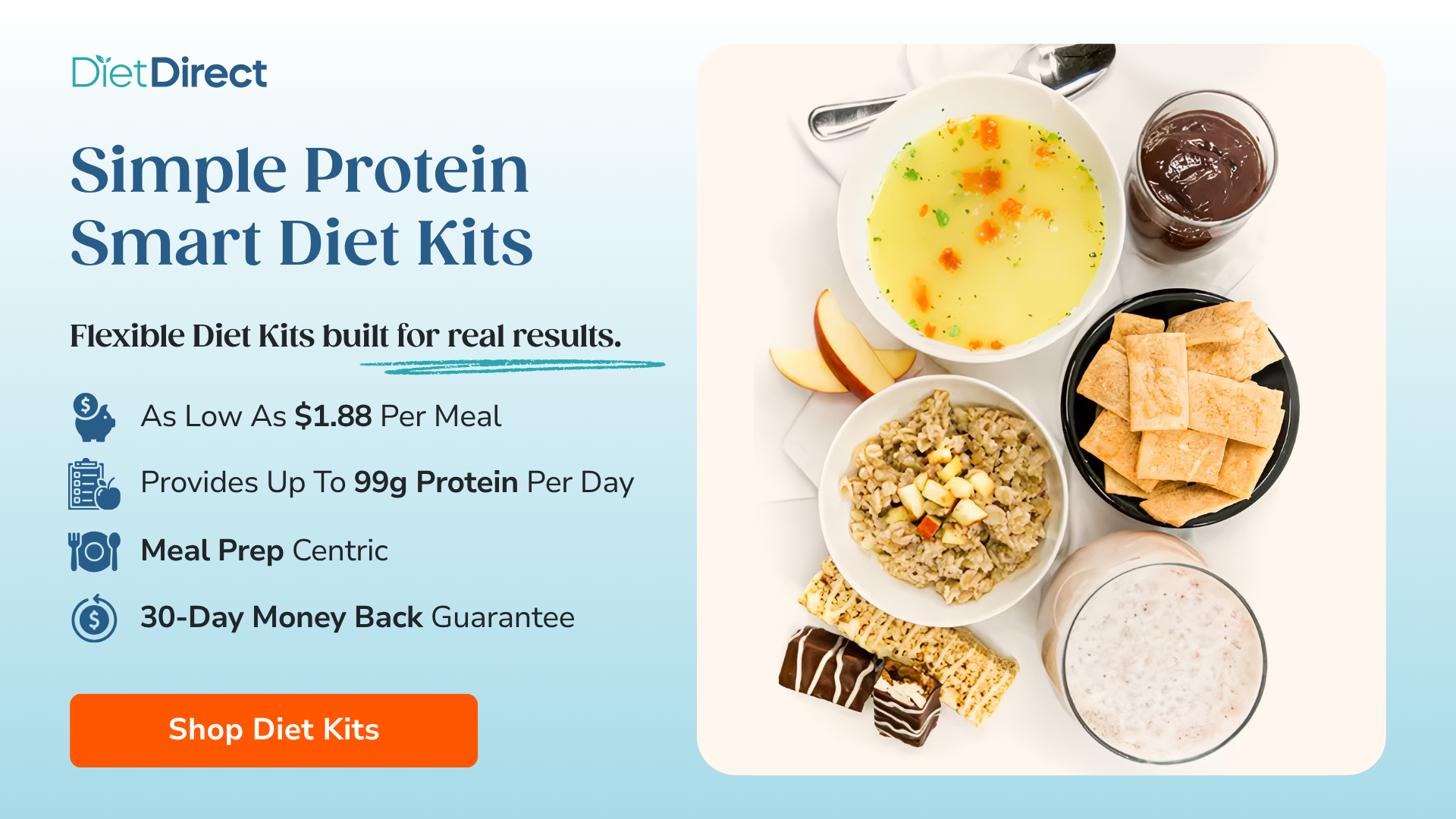
High-Protein Meals & Entrées
When you want real food without the hassle, these meals keep your nutrition on track. From savory soups to hearty entrées, each option offers controlled calories, balanced macros, and meaningful protein to support your goals while making mealtime stress-free.
Final Thoughts
Understanding how much protein you need to lose weight doesn’t have to feel complicated. Once you know your target range and how factors such as age, activity level, and body composition affect it, you can make informed decisions that support sustainable progress. A protein calculator for weight loss helps remove the guesswork, giving you the confidence to eat intentionally, preserve muscle, and feel satisfied while shedding unwanted fat.
Whether you use high-protein foods or convenient options like Wonderslim by Diet Direct shakes, snacks, and meal replacements, consistency is what transforms your results. Stay mindful, stay balanced, and let protein power your journey toward a stronger, leaner, and healthier you.
Frequently Asked Questions About How Much Protein You Need To Lose Weight
Does the amount of protein needed change based on gender?
Yes, protein needs can vary based on gender due to differences in muscle mass, body composition, and metabolic rates. Generally, men require more protein than women due to their higher average muscle mass. However, individual protein needs also depend heavily on weight, activity level, and personal health goals. Tools like a protein calculator for weight loss can help you personalize your intake, regardless of gender.
Should protein intake be based on body weight or goal weight?
For effective weight loss, experts recommend basing protein needs on your goal weight rather than your current weight. This approach aligns your intake with your target body composition, supporting muscle preservation while promoting fat loss. At Diet Direct, we encourage using a protein calculator for weight loss to help you determine the optimal amount based on your specific goals.
What percentage of my calories should come from protein when losing weight?
For most adults looking to lose weight, about 25% to 30% of daily calories should come from protein. This ratio is effective for reducing hunger, boosting metabolism, and supporting muscle retention. If you prefer a more personalized approach, Diet Direct recommends using a protein calculator for weight loss, which can take into account your activity level, age, and dietary preferences.
How does exercise influence my protein needs during weight loss?
Exercise, especially strength training, increases your body’s protein requirements. Physical activity creates small tears in muscle fibers, and protein is crucial for their repair and subsequent growth. If you’re increasing exercise intensity as part of your weight loss plan, consider a higher protein intake. Wonderslim by Diet Direct meal replacement products can conveniently help meet these needs as part of a structured plan.
Is too much protein bad for you when dieting?
Moderation is key. While elevated protein intake can be beneficial during weight loss, excessive amounts, well above recommended ranges, may put stress on the kidneys over time, especially for those with preexisting kidney issues. Stick to the guidelines provided by trusted resources or consult with a healthcare professional to tailor your intake safely.
Does eating more protein help preserve muscle while losing weight?
Yes. Increasing your protein intake during weight loss helps maintain lean muscle mass while you shed body fat. Adequate protein, combined with consistent exercise, ensures that most of the weight lost comes from fat rather than muscle, supporting both a healthier metabolism and better long-term results.