Key Takeaways
- Daily Protein Bars Are Safe If You Choose Quality Ingredients: Eating a protein bar every day is fine when it’s low in added sugars, high in quality protein (15g or more), and made with recognizable, minimally processed ingredients.
- Protein Bars Support Weight Management and Satiety: High-protein, high-fiber bars help control hunger, stabilize energy levels, and simplify calorie tracking, making them a practical tool for sustainable weight management.
- Smart Pairing and Hydration Enhance Digestive Health: Combine your protein bar with fruits, vegetables, or healthy fats for a balanced meal, and always drink water to aid digestion and optimize fullness.
Is It Okay To Eat Protein Bars Every Day?
In the hustle of modern life, that convenient protein bar often feels like a lifeline, a quick, satisfying fix when hunger strikes, or a necessary fuel-up after a workout. It’s no wonder so many of us have made it a daily habit. But as you peel back the wrapper day after day, a common question starts to niggle at the back of your mind: Am I overdoing it?
At Diet Direct, we’ve helped countless customers build realistic, sustainable routines that support their wellness goals, rather than restricting them. And the truth is, daily protein bars can fit into a balanced lifestyle when you choose the right ones. It’s all about understanding ingredients, knowing how they fit into your day, and selecting bars designed to support, not sabotage, your goals.
In this article, we’ll break down what daily protein bar habits really mean, how to choose smarter options, and when they can be a valuable part of your nutrition plan. Let’s get into it.
Can You Eat Protein Bars Daily As Part Of A Healthy Routine?
Protein bars have become a popular go-to option for individuals with busy schedules, weight loss goals, and specific dietary needs. But is it bad to eat protein bars every day? Here’s what you need to know to make informed choices as part of a balanced lifestyle.
Benefits Of Daily Protein Bar Consumption
Incorporating a protein bar into your daily meal plan offers convenience, structure, and nutritional support. High-protein, high-fiber bars help support satiety, meaning you’re less likely to overeat or crave less nutritious snacks.
Complete proteins give your body essential amino acids for muscle repair and growth, while added vitamins and minerals help round out your nutrient intake. Many formulas also provide a controlled number of calories, making them a practical choice for calorie management.
What To Watch For With Daily Use
While protein bars can be a smart option, not all are created equal. Be mindful of added sugars, artificial ingredients, and calorie counts, which can vary significantly across brands. It’s essential to treat bars as part of a holistic eating plan. Relying solely on packaged options may leave you missing out on the phytonutrients and dietary variety found in whole foods, such as fruits, vegetables, and grains.
Practical Tips For Regular Protein Bar Inclusion
Moderation and informed selection are key. Consider using bars to fill gaps, such as for a quick breakfast, a post-workout snack, or a meal replacement when you’re short on time. Pair with fruits, vegetables, or a small source of healthy fats for a more balanced meal. Listening to your body’s hunger and fullness cues ensures protein bars complement, rather than dominate, your nutrition routine.
Are Protein Bars Healthy Everyday? Key Factors To Consider
Protein bars can be a smart nutritional choice, but their healthfulness depends on several critical factors. Here are the main points to evaluate:
Nutrient Profile
Check the nutrient breakdown to ensure adequate protein (ideally 15g or more), fiber (at least 5g), a balanced amount of healthy fats, and naturally sourced carbohydrates. High-quality bars also provide essential vitamins and minerals.
Ingredient Quality
Scan the label for recognizable, minimally processed ingredients. Bars with a complete protein blend (such as whey, soy protein isolate, and milk protein isolate) support muscle health and deliver all essential amino acids.
Sugar Content
Opt for bars that are low in added sugars. Frequent consumption of high-sugar bars can undermine weight management goals and affect blood sugar stability.
Portion Size And Calories
Select bars that align with your daily calorie needs. A typical range of 140–170 calories per bar aligns well with most weight management or fitness plans without overexertion.
Dietary Restrictions And Preferences
Be mindful of gluten, vegetarian status, or kosher certifications if you have specific dietary requirements.
For specific dietary needs, such as low-sodium preferences, pairing your routine with options like low-sodium protein shakes can help round out a smarter daily plan.
Role In Your Overall Diet
Use protein bars as a supplement or a convenient meal, not as your sole source of nutrition. A varied diet rich in whole foods ensures long-term health and satisfaction.
Understanding Protein Bar Side Effects and How to Avoid Them
Protein bars can be a practical addition to your daily routine, but it’s essential to be aware of potential side effects and how to sidestep them. Here’s what to look out for and how you can mitigate discomfort or unwanted results.
Digestive Upset
Some individuals experience bloating, gas, or stomach discomfort after eating protein bars, often due to fiber content or sugar alcohols. To avoid this, start with half a bar and monitor your body’s response. Gradually increase your intake as your digestive system adapts.
Excess Calorie Intake
Relying on multiple bars daily can lead to an unintended calorie surplus. Always check the nutrition label to ensure your intake aligns with your dietary goals. Use protein bars as a supplement, not a replacement for whole foods.
Allergic Reactions
Ingredients like soy, whey, or nuts are common allergens. If you have sensitivities, review the ingredient list carefully before consuming. Opt for bars that clearly disclose allergen information.
Added Sugars And Artificial Sweeteners
Some bars contain added sugars or artificial sweeteners, which can affect blood sugar levels or alter taste preferences. Choose options with minimal added sweeteners and consider how your body responds to sugar substitutes.
Navigating Specialized Diets
Compatibility with your specific dietary framework, such as a low-carb or post-bariatric diet, may vary. Look for bars formulated with your dietary needs in mind, and consult with a registered dietitian if you have unique medical or nutritional considerations.
Smart Ways To Consume Protein Bars For Better Daily Results
Knowing how to choose a quality bar is only half the battle. To ensure eating protein bars daily actually supports your goals, whether it’s muscle maintenance, weight management, or simply convenient snacking, you need to integrate them into your routine strategically. Here are the smartest ways to time and pair your protein bar consumption for optimal results:
The Workout Window Strategy (Pre- & Post-Exercise)
The most effective use of a protein bar is timing it around your physical activity.
- Pre-Workout Fuel (30 to 60 minutes before): Use a bar with a good balance of protein (10g to 15g) and complex carbohydrates. This provides sustained energy for your session, stabilizes blood sugar, and supplies amino acids to prevent muscle breakdown during intense activity.
- Post-Workout Recovery (Within 60 minutes after): This is when your muscles are most receptive to nutrients. Opt for a bar with 15g to 25g of high-quality protein (like whey) and a moderate amount of carbohydrates (a 2:1 or 3:1 Carb-to-Protein ratio is often recommended) to kickstart muscle repair and replenish depleted glycogen stores.
Mid-Day Craving Control
Use the high satiety of protein and fiber to your advantage. If you routinely experience an energy crash and reach for a sugary snack around mid-afternoon (3:00 PM to 4:00 PM), replace it with a low-sugar, high-fiber protein bar.
- Goal: A high-protein bar keeps you feeling fuller for longer, prevents the blood sugar spike and crash associated with candy, and helps reduce the likelihood of overeating at dinner.
- Smart Pairing: Pair the bar with a piece of whole fruit (like an apple or a handful of berries) to add natural vitamins and hydration without compromising your goals.
For those seeking more structured snack options, exploring the best protein bar for weight loss can further support appetite control.
Strategic Meal Supplement (Not Replacement)
While protein bars can serve as a substitute in a pinch (such as when traveling or stuck in traffic), they should not be used as a regular replacement for a full, whole-food meal.
- The Difference: If you must use a bar as a meal replacement, choose one that is higher in calories (300+), has a balanced mix of macronutrients, and includes healthy fats (such as nuts).
- The Better Way: A smarter approach is to use a bar to supplement a light meal. For example, have a bar alongside a small salad or a bowl of oatmeal to boost the protein content and ensure you hit your daily intake goal.
Never Skip The Water
Protein and fiber both require sufficient water for optimal digestion. A lack of fluid can lead to the very side effects you’re trying to avoid, such as bloating and constipation.
- Actionable Tip: Always drink a full glass of water (8 to 12 oz) when you consume a protein bar. This aids in digestion and helps the fiber fully expand, which maximizes that feeling of fullness.
For even more nutritious snack ideas, exploring options like vegan protein chips can provide variety while still supporting your goals.
The Impact Of Daily Protein Bars On Weight Management
Incorporating protein bars into a daily routine has become a common practice among individuals seeking to achieve weight management goals. But what role do these bars really play in supporting weight loss or maintenance? Below, we break down the effects in detail.
Satiety And Reduced Cravings
High-protein, high-fiber bars are an effective way to curb hunger. The combination helps you feel fuller for longer, which can prevent overeating and unnecessary snacking throughout the day.
Calorie Control Made Simpler
Pre-portioned bars make tracking calories more straightforward. With specific calorie counts per serving, replacing a higher-calorie snack or meal with a protein bar can simplify your daily caloric intake without guesswork.
Supporting Muscle Health During Dieting
Losing weight often means a risk of losing lean muscle along with fat. Daily protein intake supports muscle preservation. Including a bar with complete amino acids helps maintain muscle health, essential for an efficient metabolism and successful weight management.
Consistent Energy Levels
Including a bar that balances protein and fiber with moderate carbohydrates can help prevent the energy spikes and crashes associated with higher-sugar snacks. This sustained energy can help you stay active and motivated throughout the day.
Flexibility in Specialized Diets
Protein bars designed to accommodate various dietary restrictions, such as low-carb or low-calorie plans, make them a practical daily option for individuals with unique nutritional needs, providing essential nutrients while adhering to prescribed limits.
Best Daily-Friendly Protein Bars At Diet Direct
When looking for bars that can be comfortably and healthily consumed every day, the focus at Diet Direct shifts toward those that expertly balance high protein and fiber with minimal added sugar and low calories. The following bars from their Wonderslim and BariWise lines are consistently top-rated for daily use:
Wonderslim Protein & Fiber Bars
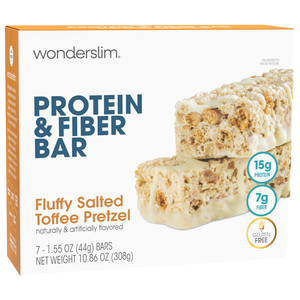
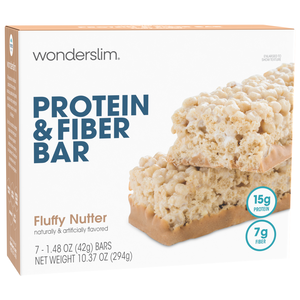
Our Wonderslim Protein & Fiber Bars are built for everyday snacking success. These bars strike a balance between protein and fiber to help manage appetite while keeping sugar and calories in check. They’re ideal for daily weight-management routines, offering fullness, flavor, and reliable portion control.
Wonderslim Gourmet Protein Snack Bars
If you're looking for a protein bar that doubles as a guilt-free treat, our Wonderslim Gourmet Protein Snack Bars deliver rich flavors while maintaining smart macros. They’re crafted to provide controlled indulgence without the sugar and calorie overload typically found in snacks.
Wonderslim Protein Wafer Snack Bars
For those who prefer a lighter texture, Wonderslim Protein Wafer Snack Bars offer a crispy, cookie-like feel that makes everyday snacking more enjoyable.
BariWise Protein Wafer Bars
Our BariWise Protein Wafer Bars are an excellent option for those following structured, lower-calorie, or bariatric-friendly meal plans. They deliver high protein with minimal calories and carbs, making them ideal for consistent daily consumption.
Wonderslim Meal Replacement Bars
Our Wonderslim Meal Replacement Bars are a go-to solution for anyone looking to simplify nutrition without sacrificing results. Each bar is packed with a high-quality protein blend, fortified with 20 essential vitamins and minerals, and designed to replace a full meal while keeping calories, carbs, and sugar in check. Whether you’re managing weight, following a low-calorie plan, or simply short on time, these bars support consistent, structured eating with flavor and convenience.

Final Thoughts
Eating a protein bar every day isn’t just okay; it can actually be a smart part of a balanced, sustainable wellness plan when you make informed choices. The key is selecting bars that deliver complete protein, fiber, and essential nutrients without excessive sugar or artificial ingredients.
Used thoughtfully, protein bars can bridge nutritional gaps, support weight management, and simplify healthy eating on busy days. Whether you’re managing your weight, staying fueled between meals, or recovering from a workout, the right bar can fit seamlessly into your daily routine.
Frequently Asked Questions About Is It Okay To Eat Protein Bars Every Day?
Can protein bars cause weight gain if eaten daily?
Weight gain occurs when you consistently consume more calories than your body needs. Eating protein bars daily on their own isn’t automatically a cause for weight gain; you’ll want to see how the bar fits into your overall calorie goals. Moderation and balance are key; protein bars can serve you well when replacing higher-calorie snacks or enhancing your nutrition, rather than stacking on extra calories.
Are all protein bars suitable for daily consumption?
Not all protein bars are created equal. Some are loaded with excess sugars, artificial ingredients, or fillers that may not align with your health goals. Diet Direct’s protein bars are made with high-quality blends and nutrients for daily enjoyment. Always read ingredient labels and nutrition facts to ensure any bar fits your dietary needs, especially if you have specific health objectives or dietary restrictions.
Can daily protein bars affect digestion?
Protein bars can support digestive health when they provide a balanced combination of protein and fiber. Diet Direct’s bars include 5-8g of fiber per serving, which helps promote regularity and satiety. However, if you aren’t used to higher fiber intakes or switch brands with more added sugar alcohols, you might experience temporary digestive discomfort. Drinking plenty of water and gradually introducing higher-fiber options helps your digestive system adjust.
Can eating protein bars every day lead to high sugar intake?
Some protein bars on the market contain significant amounts of added sugar, which can contribute to unwanted spikes in blood sugar and unnecessary calories. Diet Direct’s protein bars are specifically formulated to minimize added sugars while delivering essential nutrients and sustained energy. Always check the nutrition label, especially if you are monitoring your sugar intake for health reasons, such as diabetes or weight management.
Are there any allergy concerns with daily protein bar consumption?
Individuals with allergies to soy, dairy, or nuts should read labels closely before making any protein bar a daily staple. If you are aware of your sensitivities, always double-check the ingredient list and consult with your healthcare provider if you’re unsure.
Are there specific health conditions that should avoid daily protein bar intake?
For most healthy individuals, incorporating a high-quality protein bar into their daily diet can be part of a well-balanced eating plan. Individuals with kidney conditions that require protein restriction, severe food allergies, or specific metabolic disorders should consult their healthcare provider before making protein bars a regular part of their diet. As always, personalized nutrition is best, and Diet Direct is here to support you with knowledge and options tailored to your needs.