Key Takeaways
- Protein is Personalized: Women need to calculate their protein intake based on activity (aim for 0.8-1.2 g/kg of body weight or more for active women) and prioritize protein at every meal for sustained energy and satiety.
- Master the Meal Timing: Avoid the common mistake of front-loading protein at dinner. Distribute protein evenly throughout the day via high-protein breakfasts and snacks to maximize muscle repair and curb cravings.
- Convenience is Key to Consistency: Utilize quick, high-protein meal ideas (like egg muffins or sheet pan salmon) and incorporate Diet Direct's convenient, portion-controlled, gluten-free, or low-carb protein supplements to ensure you meet your daily goals effortlessly.
High-Protein Diet Tips For Women
A high-protein diet for women offers both empowerment and transformation, anchoring nutritional science in daily choices that support energy, muscle tone, and sustained weight management. For women navigating busy lives, demanding careers, or specific health challenges, the fundamental role of protein in wellness is more relevant than ever. Beyond its reputation for building muscle, protein supports metabolic health, satiety, and longevity, making it a cornerstone of any comprehensive wellness strategy.
At Diet Direct, we’ve spent over 20+ years helping women across the country achieve their personal health goals through better nutrition and trusted, medical-grade protein supplements. Backed by research, innovation, and a customer-first philosophy, our approach addresses the unique physiological needs of women while taking into account essential lifestyle factors, including gluten sensitivities, low-carb trends, and specialized dietary requirements. Whether you’re starting your journey, striving for sustainable results, or searching for credible, results-oriented advice, our expertise in high-protein solutions empowers you to reach your fullest potential.
In this article, we’ll break down simple, sustainable high-protein strategies designed specifically for women, plus the convenient, portion-controlled options at Diet Direct that make staying consistent feel effortless.
How Much Protein Do Women Really Need?
Protein requirements can vary depending on age, activity level, and overall health goals. Women aiming for effective weight management or muscle maintenance need to pay special attention to their daily intake. Let’s break down the latest science-backed recommendations.
Daily Protein Guidelines
Generally, most women should consume at least 0.8 grams of protein per kilogram of body weight daily. This baseline applies to sedentary individuals, but women who exercise regularly, are pregnant, or recovering from illness often benefit from higher amounts, up to 1.2–2.0 grams per kilogram.
Adjusting Protein for Weight Loss
For women pursuing weight loss, a slightly higher protein intake (around 25–30% of daily calories) can help preserve lean muscle while promoting fat loss. Higher-protein diets have also been shown to reduce hunger and support sustained energy levels throughout the day.
Special Considerations: Age, Activity & Health
Women over 50, active individuals, or those managing health conditions may need to adjust protein levels upward. Aging reduces the body’s efficiency in utilizing protein, making it even more crucial for maintaining muscle, promoting bone health, and supporting metabolic function. Consulting with a healthcare provider or nutritionist ensures personal needs are met.
Benefits Of A High-Protein Diet For Women
Adopting a high-protein diet can be transformative for women seeking to enhance their wellness, sustain energy, and achieve effective weight management. Here’s how increased protein intake makes a powerful difference in several key areas:
Lean Muscle Maintenance and Growth
Protein provides the vital building blocks for lean muscle. Higher protein intake supports muscle preservation and facilitates muscle growth, especially during weight loss or aging, when muscle mass typically declines.
Weight Management and Satiety
A high-protein diet is uniquely effective for controlling appetite. Protein-rich meals promote a sense of fullness, naturally curbing cravings and making it easier to reduce overall calorie intake, supporting sustainable weight loss.
Metabolic Boost
Digesting protein requires more energy than carbohydrates or fats, leading to a higher thermic effect of food. This can translate to increased calorie burn even at rest, helping women maintain a healthier metabolism.
Bone Health Support
Protein plays a crucial role in maintaining bone density. Adequate protein intake is linked with improved bone strength, which becomes increasingly vital as women age.
Hormonal Balance
Protein contributes to the regulation of hormones that influence appetite and metabolism. By stabilizing blood sugar and supporting proper hormone function, a high-protein diet helps maintain steady energy levels and mood stability.
Recovery and Immune Function
Protein is integral for cellular repair and immune support. After workouts or periods of stress, dietary protein helps accelerate recovery and strengthen the body’s defenses.
High Protein Meal Ideas For Women With Busy Schedules
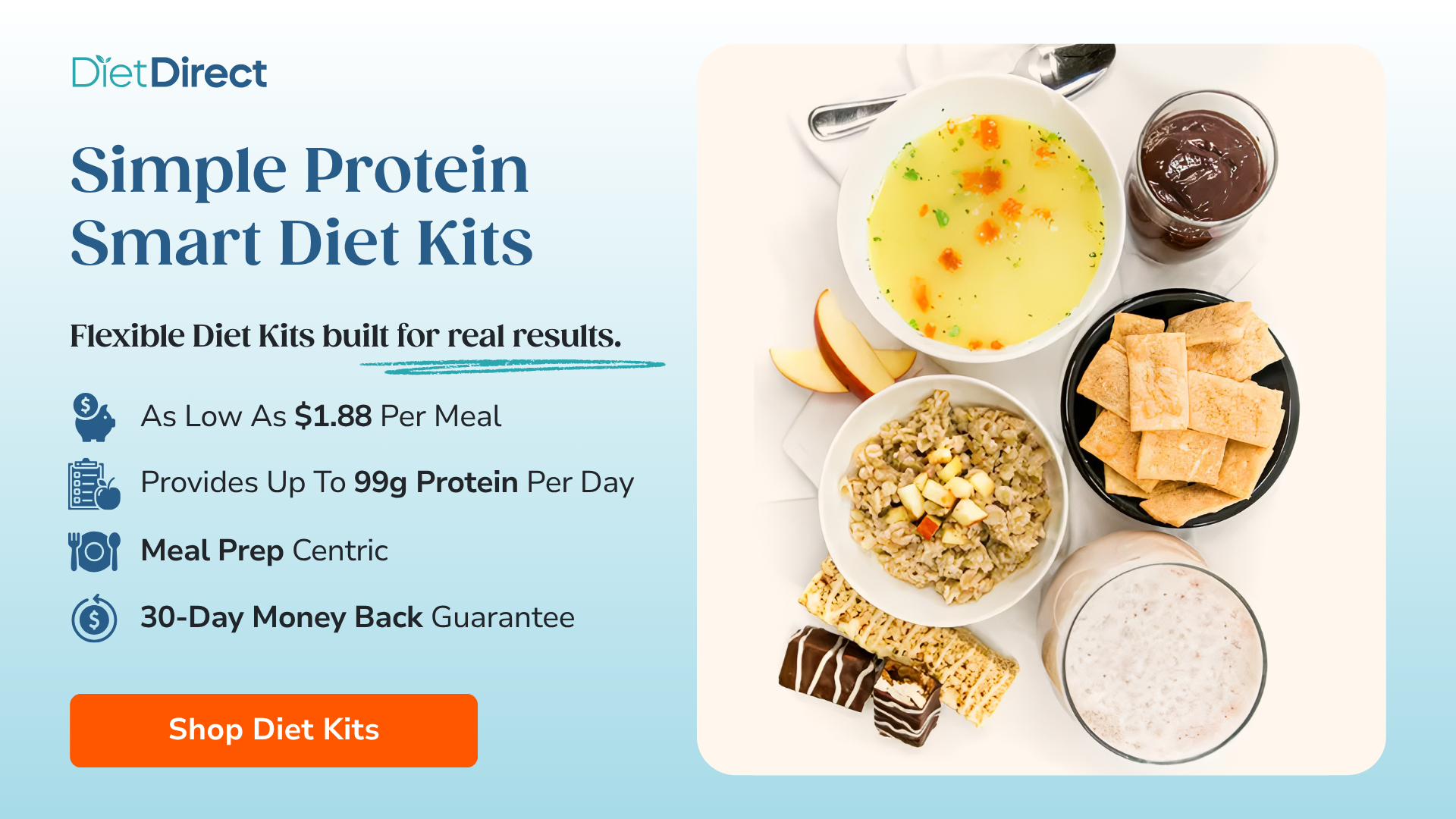
Maximizing protein intake doesn’t have to require hours in the kitchen. Whether you’re creating simple whole-food meals or following one of our high-protein Wonderslim plans—which can provide up to 99g of protein per day from Wonderslim products alone, plus additional protein from your lean & green meals—staying on track is easier than ever. Here are practical, fast ideas designed for women with full schedules who want consistent results on a high-protein diet.
Protein-Packed Breakfasts
If you’re not following the Premium Plan, these breakfast options reflect the same balanced approach as the Wonderslim Meal Replacement + Wonderslim Breakfast combination.
- Overnight oats with protein powder: Prepare oats with your favorite protein powder, chia seeds, and nut butter for a grab-and-go start to the day.
- Egg muffins: Bake a batch of eggs with veggies and cheese in a muffin tin for a week’s worth of easy breakfasts.
- Greek yogurt parfait: Layer Greek yogurt with berries and sliced almonds for a speedy, nutrient-dense meal.
Simple High-Protein Lunches
For those not using the plan’s structured lunch—which includes a Wonderslim Meal Replacement plus a Lite Entree or Soup—these ideas offer a similar balance of protein and portion control.
- Chicken salad lettuce wraps: Combine shredded rotisserie chicken with light mayo, celery, and spices, and serve in crisp lettuce leaves.
- Tuna-stuffed avocados: Mix canned tuna with diced veggies, lemon, and a touch of olive oil, then stuff into halved avocados.
- Turkey and cheese roll-ups: Roll sliced turkey breast and cheese with vegetables for a lunch that’s both portable and satisfying.
Quick High-Protein Dinners
Your dinner adds even more protein on top of what you get from your daily Wonderslim products.
- Sheet pan salmon and veggies: Roast salmon fillets with your choice of vegetables for a fuss-free, protein-rich dinner.
- Stir-fried tofu with broccoli: Sauté firm tofu and broccoli in a low-sodium soy sauce for a meal ready in minutes.
- Beef and quinoa bowl: Combine cooked lean ground beef, quinoa, and diced peppers for a filling, balanced dinner.
On-the-Go High-Protein Snacks
If you’re not following a Wonderslim plan that already includes structured snacks, these ideas can help you create balanced options to stay fueled through busy days.
- Gluten-free or low-carb shakes: Select meal replacement shakes with ample protein and minimal sugar for quick, effective fuel.
- Hard-boiled eggs: Keep these in the fridge for a handy snack with lasting satiety.
- Cottage cheese and fruit: Pair cottage cheese with berries or melon cubes for a refreshing snack between meals.
Women’s Protein Diet Plan: Simple Ways To Add More Daily Protein
Meeting daily protein goals doesn’t have to add complexity to your routine. Here are practical tactics women can use to increase protein intake seamlessly without overhauling their meal plans.
Prioritize Protein at Breakfast
Starting the day with a high-protein breakfast helps stabilize energy levels and curb mid-morning cravings. Consider eggs, Greek yogurt, or gluten-free, low-carb options like protein shakes for weight loss to efficiently boost your morning protein intake.
Opt for High-Protein Snacks
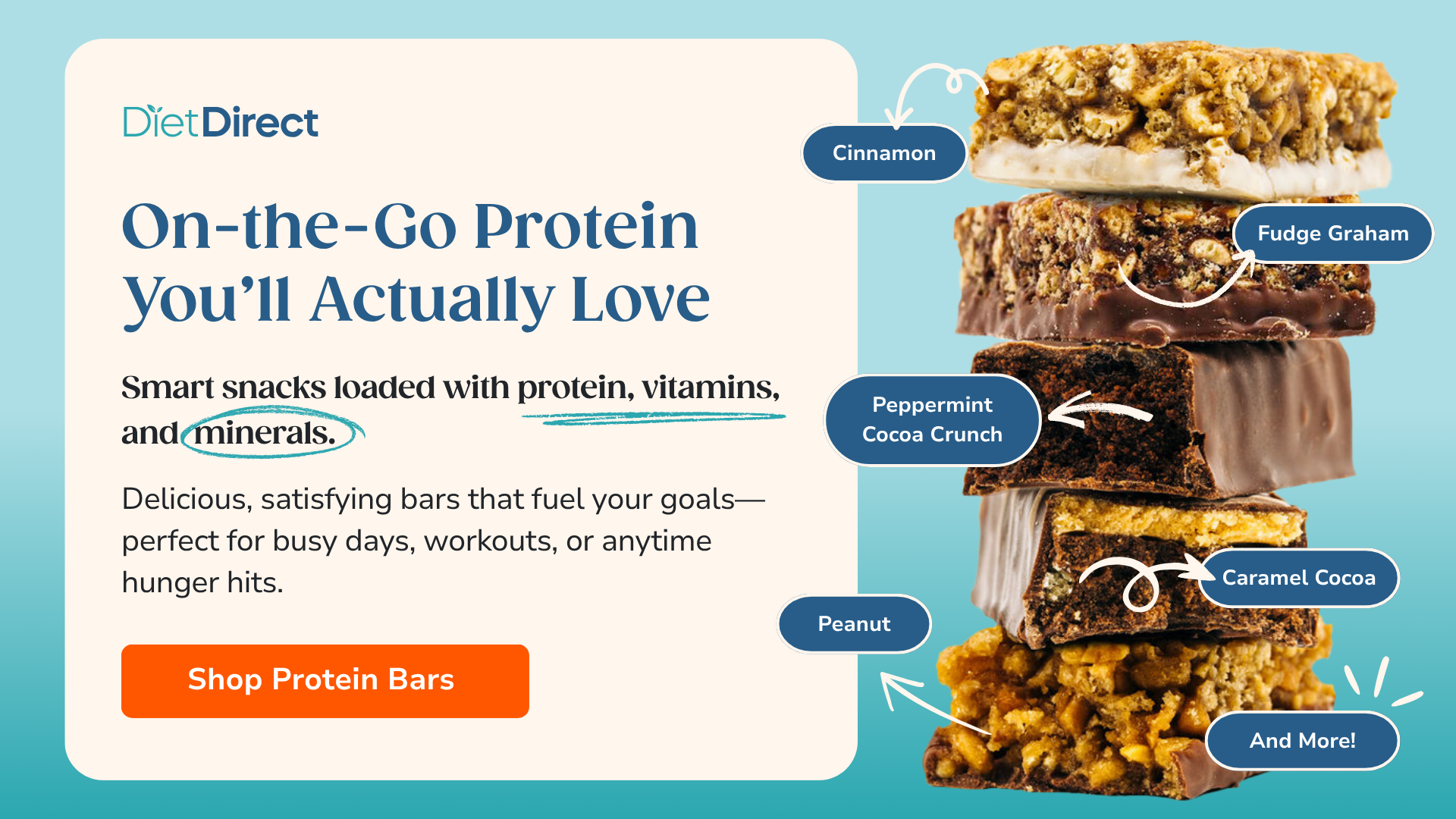
Replace carb-heavy snacks with high-protein alternatives such as low-fat cheese sticks, roasted chickpeas, or single-serve protein bars. For more ideas that fit into a busy daily routine, explore high-protein snacks that help stave off hunger and support muscle recovery throughout the day.
Upgrade Your Main Meals
Incorporate lean meats, tofu, or legumes in lunch and dinner. Even simple adjustments, such as adding grilled chicken to salads or substituting standard pasta for edamame noodles, can significantly increase the protein content.
If you prefer something quick and portable, checking out the best protein bars for weight loss can offer convenient meal add-ons.
Use Protein Supplements
Protein powders and ready-to-drink shakes are convenient solutions, particularly for those with busy schedules. Choosing gluten-free or low-carb options can align with specific dietary preferences and help you reach your protein targets. You can also browse high protein shakes for easy ways to meet your daily goals.
High Protein Food List For Women Looking To Boost Nutrition
Elevating your protein intake isn’t just about eating more meat or eggs. Today’s high-protein diet for women incorporates a diverse range of powerhouse foods tailored to different dietary needs, preferences, and goals. Below, you'll find essential protein sources to help you stay satiated, support muscle maintenance, and sustain healthy weight management.
Lean Meats and Poultry
Chicken breast, turkey, and lean cuts of beef provide concentrated, high-quality protein with minimal saturated fat. They are versatile for meal prepping and perfect for building balanced lunches and dinners.
Fish and Seafood
Salmon, tuna, shrimp, and tilapia are not only rich in protein but also supply valuable omega-3 fatty acids. Seafood complements low-calorie, nutrient-dense eating patterns perfectly.
Eggs
Eggs are a complete protein and provide key nutrients, including choline and vitamin D. Their convenience and versatility make them an ideal choice for any meal of the day.
Dairy Products
Greek yogurt, cottage cheese, and low-fat cheese provide high-quality protein and essential minerals, including calcium. These can be enjoyed as snacks, breakfasts, or additions to savory recipes.
Gluten-Free and Low-Carb Options
For those seeking gluten-free or low-carb choices, options include gluten-free protein bars, low-carb meal replacement shakes, unsweetened nut butters, and seeds. These choices make it easier to meet protein needs while adhering to dietary restrictions.
If you’re wondering whether meal replacement shakes are healthy, learning more about how they fit into a balanced routine can be helpful.
Legumes and Pulses
Black beans, lentils, and chickpeas are leading plant-based proteins that provide fiber, vitamins, and minerals. They are a filling addition to salads or stews and support digestive wellness.
Easy High Protein Diet Recipes For Women At Home Or Work
Balancing a high-protein diet for women can be manageable with simple recipes that suit both a busy workplace and a home kitchen. Below are some quick ideas to help you stay satisfied, energized, and on track with your nutrition goals.
Greek Yogurt Parfaits with Seeds
Layer plain Greek yogurt with chia seeds, mixed berries, and a sprinkle of slivered almonds for a protein-rich snack or breakfast.
Egg Muffin Cups
Whisk eggs with chopped spinach, lean turkey, and bell pepper. Pour into muffin tins and bake for easy, single-serving high-protein breakfasts you can prepare ahead.
Low-Carb Chicken Lettuce Wraps
Fill crisp lettuce leaves with grilled chicken breast, diced avocado, and tomato salsa. These wraps make a portable and refreshing lunch, ideal for meal prep.
Protein-Packed Bento Boxes
Assemble bento boxes with hard-boiled eggs, sliced turkey, cheese cubes, and raw veggies for a no-cook, grab-and-go meal.
Gluten-Free Shake with Nut Butter
Blend a gluten-free, low-carb meal replacement shake with a spoonful of almond or peanut butter for a creamy protein boost any time of day.
Common Protein Mistakes Women Make And How To Fix Them
Understanding how to structure a high-protein diet for women is essential for achieving desired health and weight management results. However, there are several common pitfalls to avoid. Here’s what you need to know, and practical advice for correcting common missteps:
Overlooking Protein Distribution Throughout the Day
Many women consume most of their protein at dinner, missing opportunities to support muscle repair and satiety throughout the day. Fix: Aim to include a source of protein at every meal and snack to help maintain steady energy and curb cravings.
Relying Too Heavily on Processed Options
Convenience is key, but an overreliance on processed protein bars or snacks can introduce excess sugars and additives. Fix: Integrate whole food sources like eggs, poultry, Greek yogurt, or tofu while choosing meal replacement shakes that fit low-carb or gluten-free needs.
Underestimating Personal Protein Needs
Protein requirements aren’t one-size-fits-all. Some women underestimate their needs, especially when active or aiming for weight loss. Fix: Calculate your target based on body weight and activity level, typically 0.8 to 1.2 grams per kilogram of body weight is a good starting range.
Ignoring Protein Quality
Not all proteins are created equal. Incomplete proteins can limit muscle maintenance and recovery. Fix: Prioritize high-quality, complete proteins found in animal sources, or combine complementary plant sources, and select meal replacements formulated to deliver complete amino acid profiles.
Skipping Protein Post-Workout
Muscles need protein promptly after exercise for optimal recovery. Fix: Consume a protein-rich snack or shake within 30-60 minutes following physical activity to jumpstart muscle synthesis and repair.
Final Thoughts
A high-protein diet for women isn’t just a nutrition trend; it’s a sustainable pathway to stronger energy, improved body composition, and long-term wellness. By prioritizing balanced protein intake throughout the day, choosing high-quality sources, and leaning on convenient solutions like portion-controlled shakes and snacks, women can make meaningful progress without adding stress or complexity to their routines.
Whether you're managing a busy schedule, working toward weight-loss goals, or simply aiming to feel your best, consistent protein habits offer the structure and support you need. With trusted guidance and innovative, science-backed tools, your health journey becomes both achievable and empowering.
Frequently Asked Questions About High-Protein Diet Tips For Women
Can a high-protein diet help with weight loss?
Yes, a high-protein diet for women can support weight loss by increasing satiety, helping preserve lean muscle mass, and boosting metabolism. When you consume adequate protein, you’re less likely to experience cravings and more likely to feel satisfied after meals, which can contribute to a calorie deficit essential for maintaining a healthy weight.
Is it safe to follow a high-protein diet long-term?
For most healthy women, a high-protein diet is safe when balanced with other nutrients and whole foods. However, if you have pre-existing medical conditions, especially related to the kidneys, consult your healthcare provider before making significant dietary changes. Prioritize nutrient-dense, high-quality protein sources, such as those offered through Diet Direct’s curated selection of medical-grade protein supplements and meal replacements.
How can vegetarians increase protein intake?
Vegetarian women can meet their high-protein needs by incorporating eggs, cottage cheese, Greek yogurt, tofu, tempeh, lentils, beans, and high-protein grains like quinoa or buckwheat. Additionally, gluten-free and low-carb meal replacement shakes from Diet Direct provide convenient, concentrated protein without the excess carbohydrates.
Are protein powders necessary for women?
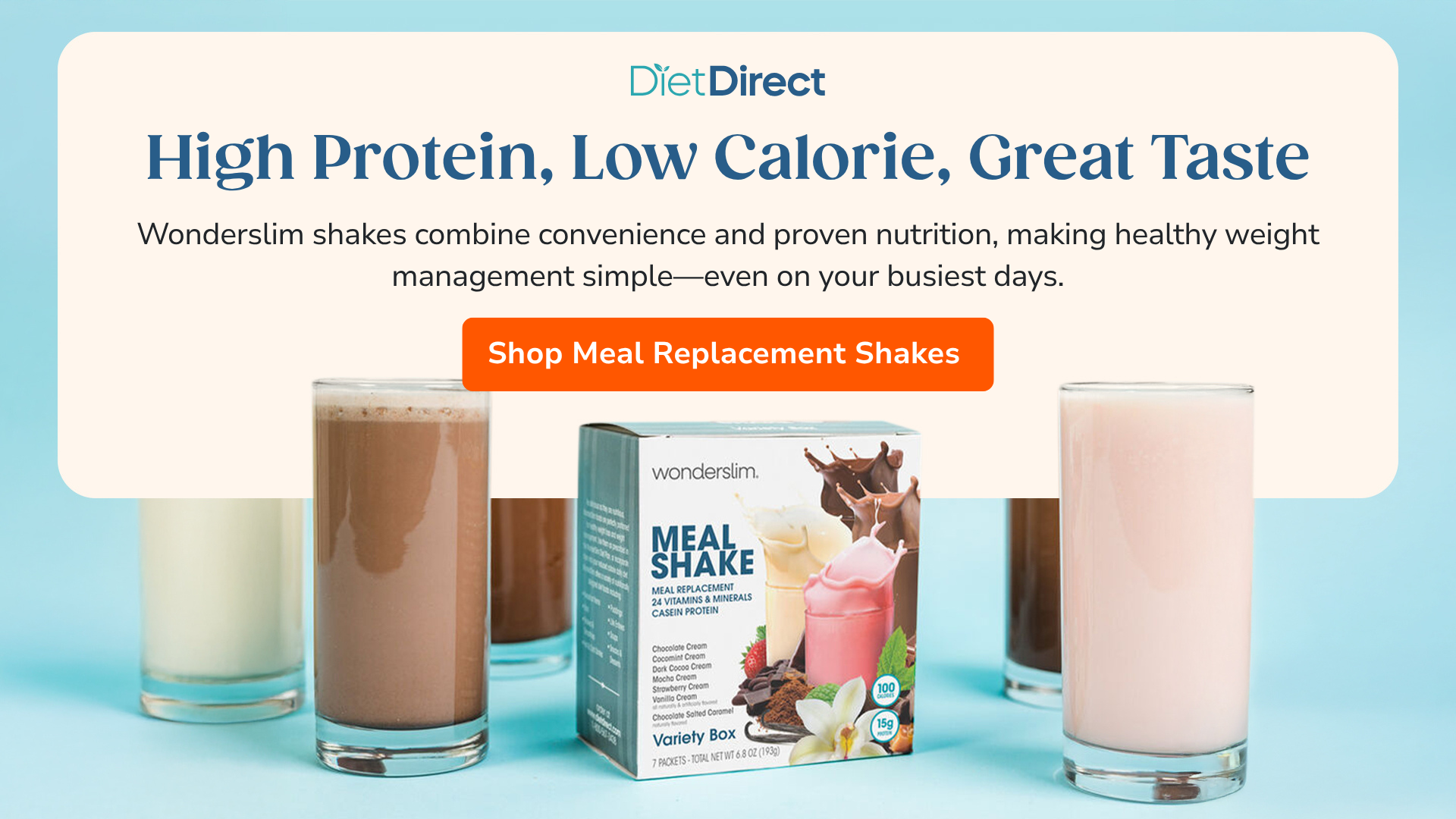
Protein powders aren’t strictly necessary, but they can be practical for active women and those seeking structured weight management. Wonderslim by Diet Direct offers premium, medical-grade protein shakes, many of which are gluten-free and low-carb, to help you hit daily protein targets efficiently and tastefully.
How do I balance protein with other nutrients?
Achieving nutritional balance is essential. Pair high-protein foods with plenty of vegetables, healthy fats, and the right types of carbohydrates (such as whole grains or fiber-rich produce). This combination supports energy levels, digestion, and overall health as part of a sustainable nutrition plan.
How should protein be distributed throughout the day?
It’s most effective to distribute your protein intake evenly across meals and snacks, rather than loading it all at once. This approach optimizes muscle repair, appetite control, and metabolic function. Wonderslim products from Diet Direct are designed for easy integration into any meal schedule, allowing you to maintain consistent protein levels throughout your busy day.