Key Takeaways:
- Protein Drives Fat Loss Through Multiple Pathways: Higher protein intake increases metabolism, reduces appetite, and can help maintain muscle during weight loss.
- Strategic Meal Planning Makes Consistency Easy: Structured meal prep and protein timing throughout the day eliminates guesswork and supports long-term adherence.
- Quality Protein Sources and Proper Macros Matter: Combining lean proteins with balanced nutrition creates sustainable results without sacrificing energy or satisfaction.
High Protein Diet For Weight Loss: The Guide
Losing weight often breaks down at the same point: hunger, inconsistency, and plans that are too complicated to maintain. A high-protein diet for weight loss cuts through that noise by focusing on structure, satisfaction, and repeatability, not extremes. When meals are predictable, and protein intake is prioritized, staying on track becomes less about willpower and more about systems that work day after day.
At Diet Direct, we’ve spent decades building weight-loss programs around high-protein strategies because they support real-world consistency. Our approach is backed by long-standing experience in structured meal plans, portion-controlled products, and nutrition solutions designed for sustainability, not quick fixes. We’ve helped thousands of people follow high-protein routines that fit into busy lives while supporting steady progress.
In this guide, we’ll break down what a high-protein diet for weight loss actually looks like, how it’s commonly structured, what foods and products are typically used, and how to apply it in a practical, long-term way.
What Is A High-Protein Diet For Weight Loss?
A high-protein diet for weight loss centers on consuming protein at levels above standard dietary recommendations, typically 1.2 to 2.2 grams per kilogram of body weight daily. This approach adjusts your macronutrient distribution to prioritize protein while managing carbohydrate and fat intake based on your specific goals and preferences.
The structure can vary depending on whether you follow a high-protein, low-carb diet, which limits carbohydrates to enhance fat burning, or a high-protein, low-calorie diet, which creates a calorie deficit while maintaining high protein to help preserve muscle. Both approaches use protein as the central macronutrient to support weight loss, but the secondary macros differ based on metabolic needs and dietary preferences.
Why Protein Plays A Key Role In Weight Loss Plans
Protein influences weight loss through several distinct biological pathways that work together to create favorable conditions for fat loss. Understanding these mechanisms helps explain why protein-focused eating patterns consistently outperform lower-protein approaches in research studies.
Protein Increases the Thermic Effect of Food
Your body expends energy digesting and processing nutrients, and protein requires significantly more energy than carbohydrates or fats. Protein's thermic effect reaches approximately 20-30%, while carbohydrates have a thermic effect of about 5-10% and fats only 0-3%, meaning you burn more calories simply by eating protein-rich foods (University Hospitals, 2025).
Protein Can Help Preserve Lean Muscle Mass During Calorie Restriction
When you reduce calories, your body can break down muscle tissue for energy. Higher protein intake can help preserve muscle while supporting fat loss, especially when combined with resistance training, though outcomes vary by age, total calorie intake, and training status. Preserving lean mass helps maintain your metabolic rate and physical strength.
Protein Regulates Hunger Hormones More Effectively
Protein consumption often increases satiety hormones such as GLP-1 and peptide YY, making it easier to maintain a calorie deficit without intense cravings or constant thoughts about food. This hormonal response is one reason protein-rich meals tend to keep you satisfied longer than meals focused on carbohydrates or fats alone.
How A High-Protein Diet Supports Appetite And Consistency
The relationship between protein and appetite control extends beyond simple fullness. A satiety-focused diet built around adequate protein changes how your body responds to meals throughout the day, making adherence significantly easier.
Protein Extends Satiety Between Meals
Slower-digesting proteins like casein provide a more prolonged release of amino acids compared to fast-digesting proteins, keeping you satisfied longer than carbohydrate-heavy meals. This sustained release helps bridge the gap between meals without triggering hunger.
Higher Protein Reduces Late-Night Cravings
Evening hunger often derails weight loss efforts, but adequate protein throughout the day, especially at dinner, reduces nighttime food-seeking behavior and makes it easier to maintain your eating window.
Protein Stabilizes Energy Levels During Calorie Deficits
Unlike restrictive diets that leave you fatigued, protein macros for fat loss provide stable energy by preventing blood sugar crashes and supporting steady glucose release throughout the day.
How To Calculate Your Ideal Protein Intake For Fat Loss
Calculating your specific protein requirements is the difference between guessing and engineering a transformation. While generic guidelines exist, a high-protein diet for weight loss requires a more tactical approach to ensure you are protecting every ounce of metabolism-driving muscle while your body targets fat for fuel.
The Lean Mass Multiplier
The most accurate way to calculate your needs isn't based on your total weight, but on your goal weight or lean body mass. If you are in a significant caloric deficit, your protein needs actually increase to prevent muscle wasting.
- The Gold Standard: Aim for 1.2 to 1.6 grams of protein per kilogram of body weight (0.6 to 0.8 grams per pound).
- The Aggressive Protocol: If you are incorporating resistance training or seeking rapid, clinical results, moving toward 1 gram of protein per pound of goal body weight ensures maximum satiety and muscle preservation.
The "30-Gram" Distribution Rule
Your body cannot "store" protein for later use as it does with fat or carbohydrates. To keep your metabolism in an anabolic (building) state, you must distribute your intake. Research shows that a "bolus" of roughly 30 grams of high-quality protein every 3 to 4 hours maximizes muscle protein synthesis and keeps hunger hormones suppressed throughout the day.
Common Foods Used In A High-Protein Diet For Weight Loss
Building a sustainable high-protein, low-calorie diet requires knowing which foods deliver maximum protein with minimal unnecessary calories. The best sources provide complete amino acid profiles while fitting into various meal patterns.
Lean Poultry and Fish
Chicken breast, turkey, white fish, and salmon offer 25-35 grams of protein per serving with minimal fat. These versatile options work for meal prep, high-protein strategies, and adapt to different flavor profiles.
Eggs and Egg Whites
Whole eggs provide 6 grams of protein each with essential nutrients, while egg whites offer pure protein at roughly 3.6 grams per egg white with almost zero fat or carbs.
Low-Fat Dairy and Protein Supplements
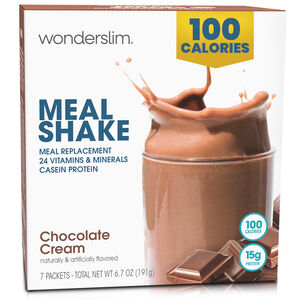
Greek yogurt, cottage cheese, and protein shakes deliver concentrated protein in convenient formats. Wonderslim meal replacement shakes contain 15 grams of protein, making them ideal for structured meal plans. For those managing both sodium intake and protein goals, exploring low-sodium protein shakes can offer additional options that align with heart-healthy nutrition.
Plant-Based Protein Options
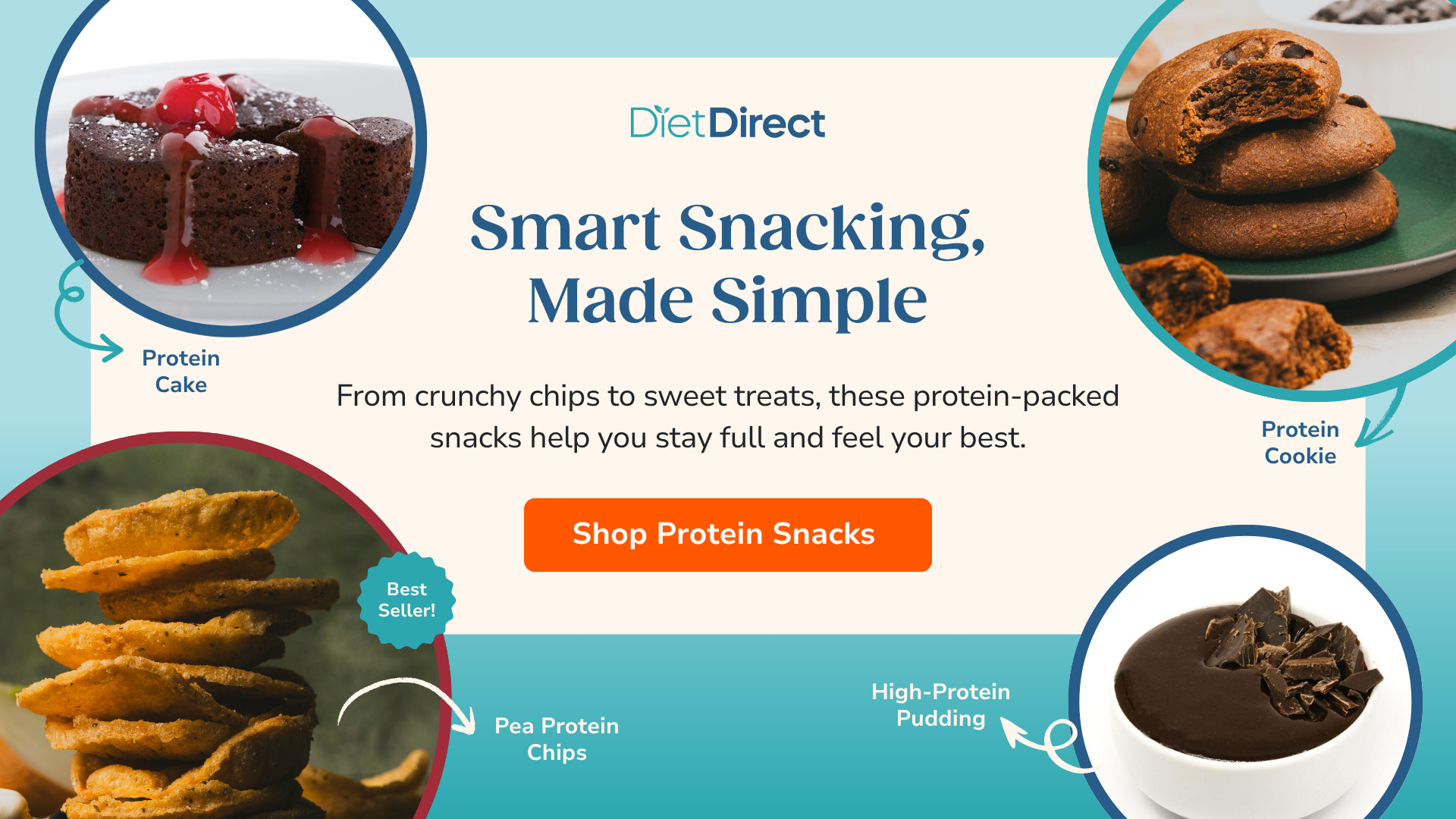
Tofu, tempeh, edamame, and legumes provide protein for those avoiding animal products, though they typically require larger portions to match the protein density of animal sources. Snack-based plant protein can also help fill gaps between meals, and options like vegan protein chips can add variety while supporting daily protein targets.
How To Structure Meals On A High-Protein Diet
Effective meal planning for a lean diet plan involves more than just eating protein-rich foods; it requires strategic distribution and pairing to maximize results while maintaining satisfaction.
Distribute Protein Evenly Across Meals
Consuming approximately 25 to 40 grams of protein per meal (depending on individual body size and needs), spread across three to four meals daily, can improve daily muscle protein synthesis compared to concentrating protein in one or two large meals.
Combine Protein with Fiber-Rich Vegetables
Pairing lean proteins with non-starchy vegetables adds volume, nutrients, and fiber without excessive calories, enhancing satiety while supporting digestive health.
Use Meal Replacement Shakes Strategically
Wonderslim by Diet Direct shakes work well as breakfast or lunch replacements, providing controlled calories and high-quality protein to help manage cravings and support muscle preservation throughout your day.
Prepare Proteins in Advance for Consistency
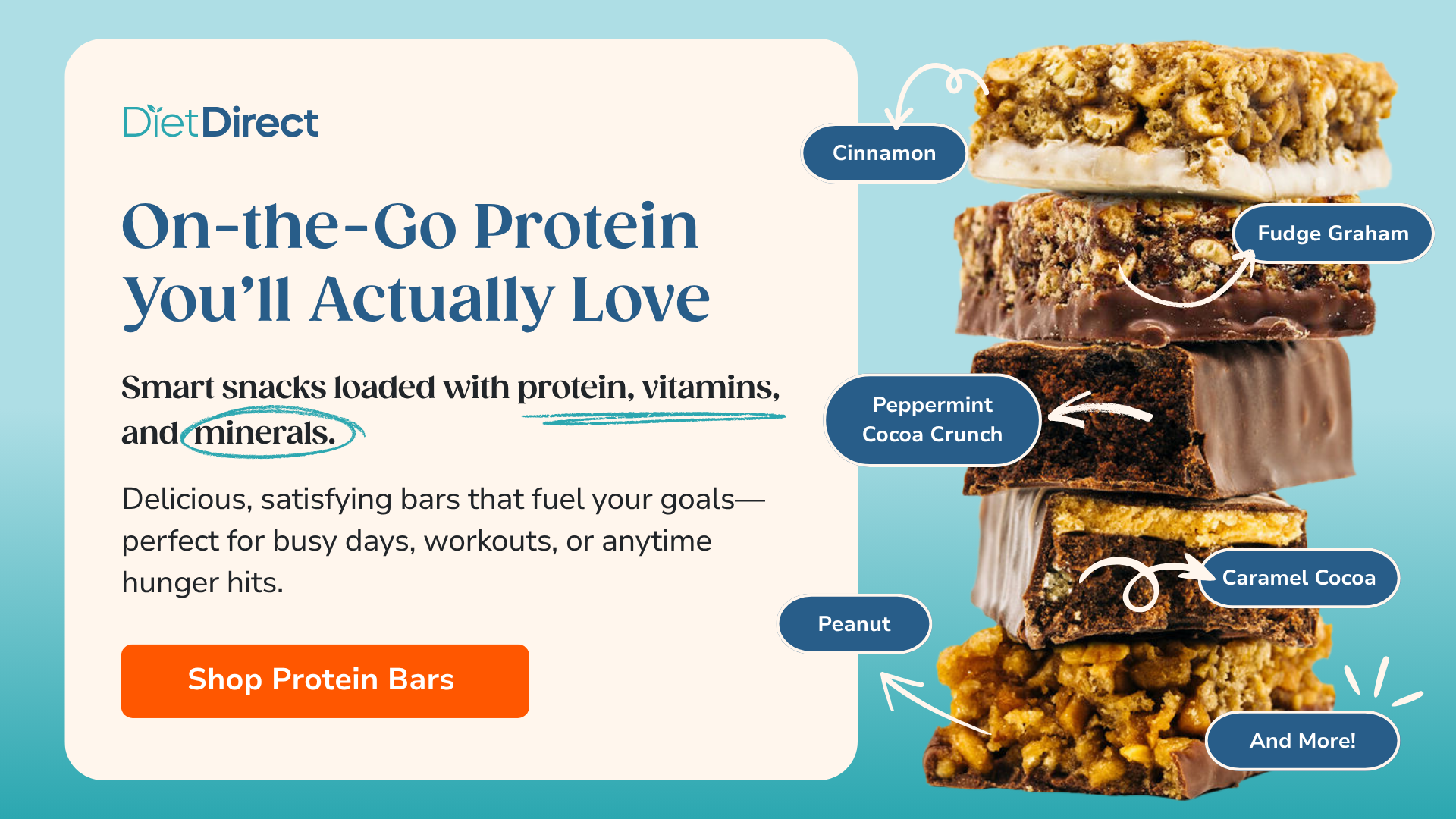
Meal prep strategies like batch-cooking chicken, hard-boiling eggs, and portioning proteins at the start of the week reduce decision fatigue and help ensure consistent intake. Keeping portable protein snacks on hand, such as the best protein bar for weight loss, can also help you stay on track when meals aren’t immediately available.
Mistakes To Avoid When Following A High-Protein Diet
Even well-intentioned high-protein approaches can fall short when common errors undermine results or make the plan difficult to sustain long-term.
Neglecting Hydration Needs
Higher protein intake increases nitrogen waste that your kidneys must process, so you need adequate fluid intake. Ensure proper hydration by monitoring urine color (aim for pale yellow) and increasing water intake with exercise or heat exposure, as individual needs vary by body size, activity level, and climate.
Eliminating Carbohydrates Too Aggressively
While a high-protein, low-carb diet can be effective, very low-carb or ketogenic approaches (which typically require significantly lower carb intakes to reliably induce ketosis) may reduce workout performance and affect thyroid hormone levels in some individuals. Most people benefit from including 50-100 grams of strategic carbs to support energy and adherence.
Ignoring Micronutrient Balance
Focusing exclusively on protein macros for fat loss while neglecting vitamins and minerals can lead to deficiencies. Include a variety of protein sources and colorful vegetables to ensure a comprehensive nutritional profile.
Setting Unrealistic Protein Targets
Benefits may diminish above approximately 1.6 to 2.2 grams per kilogram of body weight for many people, and very high intakes can displace other important nutrients. Calculate your needs based on lean body mass, activity level, and individual response rather than simply maximizing protein intake.
How Diet Direct Supports High-Protein Weight Loss Plans
We understand that successful weight loss requires more than just knowing what to eat, it demands accessible, high-quality products and reliable support that make healthy choices effortless.
Complete Diet Kits Designed Around Protein
Our structured diet plans feature protein-packed meal replacements, bars, and snacks that take the guesswork out of meeting your protein targets while controlling calories and maintaining balanced nutrition.
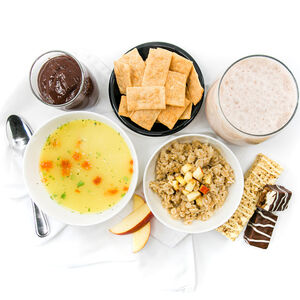
Each diet kit is built around high-quality, portion-controlled products designed to fuel your body every 2-3 hours throughout the day. From morning meal replacement shakes and breakfast options to satisfying soups and lite entrees for lunch, plus grab-and-go snack bars and sweet desserts—everything is carefully measured and nutritionally balanced to support your weight loss goals.
Choose from three customizable plan options that fit your lifestyle:
- Kickstart Basics: 60g protein daily with 4 Wonderslim selections—perfect for those easing into weight loss with maximum flexibility
- Core Momentum: 72g protein daily with 5 Wonderslim selections—ideal for steady, consistent progress with more guided structure
- Premium Max Results: 99g protein daily with 7 Wonderslim selections—maximum convenience with the highest protein for faster results
Every diet plan includes free shipping, up to 30% savings off a la carte prices, and complete flexibility to customize your selections from a wide variety of delicious options. Plus, there's no subscription required—order what you want, when you want, on your terms.
Award-Winning Customer Service and Fast Shipping
We offer same-day shipping on orders and free shipping on purchases over $79, backed by customer service that genuinely cares about your wellness journey and is ready to answer questions or resolve issues quickly.
Final Thoughts
A high-protein diet for weight loss delivers results by working with your body's natural hunger and metabolic processes rather than fighting against them. Whether you choose a high-protein low-carb diet, a high-protein low-calorie diet, or another variation, the central principle remains the same: adequate protein makes fat loss more efficient, more comfortable, and more sustainable.
Success comes from combining quality protein sources with strategic meal planning and consistent execution. Products like Wonderslim by Diet Direct meal replacement shakes simplify this process by providing controlled portions of high-quality protein that support your goals throughout busy days.
With proper protein macros for fat loss, regular meal prep, high protein habits, and support from companies committed to your success, achieving and maintaining a lean physique becomes a manageable, achievable goal rather than an impossible dream.
Frequently Asked Questions About High Protein Diet For Weight Loss: The Guide
Why do high-protein diets work better for weight loss than other approaches?
Protein increases metabolism through its high thermic effect, often improves satiety by affecting hunger hormones, and can help preserve muscle mass during calorie restriction when combined with resistance training, three mechanisms that work together to support favorable body composition changes compared to standard diets.
How much protein should I eat daily for fat loss?
Most people benefit from 1.2 to 2.2 grams of protein per kilogram of body weight daily, or roughly 0.5 to 1 gram per pound. A 150-pound person would target approximately 75 to 150 grams of protein daily, depending on activity level, body composition, and individual goals, with higher intakes more typical for lean, active individuals in a caloric deficit.
What’s the difference between a high-protein low-carb diet and a high-protein low-fat diet?
A high-protein, low-carb diet limits carbohydrates (often to 50-100 grams daily or less) while allowing moderate fat intake; very low carbohydrate intake may induce metabolic changes in some individuals. A high-protein, low-fat diet keeps fat intake minimal while increasing carbohydrate intake for energy, particularly beneficial for those who exercise intensely and prefer carbohydrate-based fuel.
Can a high-protein diet help preserve muscle while losing weight?
Higher protein intake can help preserve lean tissue during calorie restriction, especially when combined with resistance training, though outcomes vary by age, training status, and the degree of caloric deficit. Adequate protein provides the amino acids needed to support muscle maintenance during weight loss.
What should my macronutrient ratios be for a lean diet plan?
A common starting point is 30-40% protein, 30-40% carbohydrates, and 20-30% fat, adjusted based on individual response, activity level, and preferences. The key is maintaining adequate protein (typically 1.2-2.2 g/kg body weight) while creating a moderate calorie deficit that supports sustainable fat loss.
How can I prepare high-protein meals efficiently for the week?
Dedicate two hours on Sunday to batch-cook proteins (grilled chicken, hard-boiled eggs, ground turkey), portion them into containers, and prep vegetables. Supplement with meal replacement shakes like Wonderslim for convenient, protein-rich meals when time is limited, ensuring consistent protein intake without daily cooking.
Sources:
- Lonnie, M., Hooker, E., Brunstrom, J., Corfe, B., Green, M., Watson, A., Williams, E., Stevenson, E., Penson, S., & Johnstone, A. (2018). Protein for Life: Review of Optimal Protein Intake, Sustainable Dietary Sources and the Effect on Appetite in Ageing Adults. Nutrients, 10(3), 360. https://doi.org/10.3390/nu10030360
- UHBlog. (2025, May 9). Want to Manage Weight? Pack in the Protein. Uhhospitals.org; University Hospitals. https://www.uhhospitals.org/blog/articles/2025/05/want-to-manage-weight-pack-in-the-protein