Key Takeaways:
- High-protein breakfasts (20–35g) support weight loss and reduce cravings: Starting your day with adequate protein helps improve satiety, stabilize energy, and protect muscle during a calorie deficit.
- No-cook protein breakfast ideas make consistency easier: Greek yogurt bowls, cottage cheese, Wonderslim protein smoothies and meal-replacement shakes, and grab-and-go options reduce morning friction.
- Structured meal replacements can simplify portion control: Options like Wonderslim by Diet Direct provide balanced nutrition and sustained-release protein to help curb cravings and support long-term weight management.
High Protein Breakfast Ideas For Weight Loss (No Cooking Required)
Mornings are chaotic. Between getting ready, checking emails, and rushing out the door, breakfast often becomes an afterthought, or worse, skipped entirely. But if you're trying to lose weight, what you eat in the morning matters more than you might think. A high-protein breakfast sets the tone for your entire day. It keeps you full longer, reduces mid-morning cravings, and helps your body preserve muscle while burning fat.
At Diet Direct, we’ve helped thousands of customers build protein-forward routines that support weight loss without adding stress to busy mornings. Through structured plans and high-protein products like Wonderslim, we understand how starting the day with balanced protein can improve satiety, energy, and consistency. Our approach focuses on realistic solutions that fit into real schedules.
In this piece, we’ll share practical high-protein breakfast ideas for weight loss that require no cooking, along with simple ways to build a morning routine that supports your goals.
How Much Protein Should You Eat At Breakfast?
For weight loss, many studies suggest aiming for 30-35 grams of protein at breakfast. Research using this range has shown improvements in satiety, appetite-related hormone responses, and reduced subsequent food intake in some populations, though individual results vary.
Why This Range?
Higher-protein breakfasts, typically containing 30-35 grams, have been shown to increase satiety hormones like GLP-1 and PYY compared with lower-protein alternatives (American Journal of Clinical Nutrition, 2015). This can help reduce hunger throughout the morning and may decrease overall calorie intake, particularly when compared to skipping breakfast or consuming predominantly carbohydrate-based meals.
Does Your Weight Matter?
Somewhat. If you weigh over 200 pounds or are highly active, aim for the higher end of the range (30-35 grams). If you're smaller or sedentary, 20-25 grams may be sufficient. The key is consistency; hitting your target every morning matters more than getting the exact number right.
What If You're Used to Carb-Heavy Breakfasts?
Start with 20 grams and gradually increase. Your appetite will adjust within a week, and you'll notice you're naturally less hungry throughout the morning.
How Protein At Breakfast Supports Satiety And Energy
Understanding why protein works helps you stay committed to the habit, especially on mornings when grabbing a bagel feels easier.
Protein Slows Digestion
Unlike carbs, which break down quickly and can spike blood sugar, protein takes longer to digest. This creates sustained energy without crashes. You'll notice fewer mid-morning energy dips when your breakfast is protein-focused.
It Influences Appetite Hormones
Protein can impact appetite-regulating hormones. Higher-protein breakfasts have been shown to increase satiety hormones like GLP-1 and PYY compared with lower-protein alternatives. Additionally, eating generally suppresses ghrelin (the hunger hormone), though the specific effect of protein on ghrelin compared to other macronutrients varies across studies.
It Increases Calorie Burn
Your body uses more energy to digest, absorb, and metabolize protein than carbs or fat. This "thermic effect of food" means that up to 20-30% of the calories from protein are used during these processes (Advances in Nutrition, 2011). Over time, this adds up.
It Protects Muscle During Weight Loss
When you're in a calorie deficit, your body can break down muscle for energy. Adequate protein, especially at breakfast, signals your body to preserve muscle and burn fat instead (Obesity, 2007). This keeps your metabolism higher and your body composition healthier.
High-Protein Breakfast Ideas For Weight Loss Without Cooking
The easiest way to get protein at breakfast is to skip the kitchen entirely. These no-cook protein breakfast options require minimal effort but deliver maximum results.
Greek Yogurt Bowls
Plain Greek yogurt typically contains 17-19 grams of protein per 170-gram serving. Top with a scoop of protein powder (adds 15-20 grams), berries, and a sprinkle of nuts. Total protein: 30-35 grams. Total time: 2 minutes.
Hard-Boiled Eggs + Cheese Stick
Prep a batch of hard-boiled eggs on Sunday. Each large egg has approximately 6 grams of protein. Pair two eggs with a cheese stick (7 grams) for an easy 19-gram breakfast. Add a protein shake for extra protein.
Cottage Cheese with Fruit
One cup of low-fat cottage cheese delivers approximately 24-28 grams of protein. Mix in pineapple, peaches, or berries. If you want to reach 30 grams, add a handful of almonds or a tablespoon of peanut butter.
Protein Smoothie Bowls
Blend Wonderslim meal replacement shake mix with frozen fruit and minimal liquid for a thick, spoonable texture. Top with granola, chia seeds, or coconut flakes. The thick consistency makes it feel more substantial than a regular shake.
Wonderslim Low Carb Protein Cereal
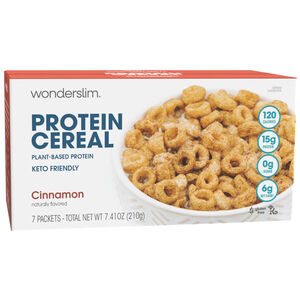
Pour and go doesn't get easier than this. Wonderslim's Low Carb Protein Cereal delivers a satisfying crunch with high protein and minimal sugar — available in Chocolate Peanut Butter, Cocoa, Cinnamon, and a Variety Pack. Just portion, add milk, and you're out the door
Overnight Oats with Protein Powder
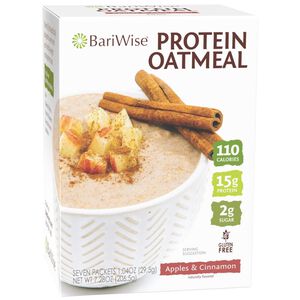
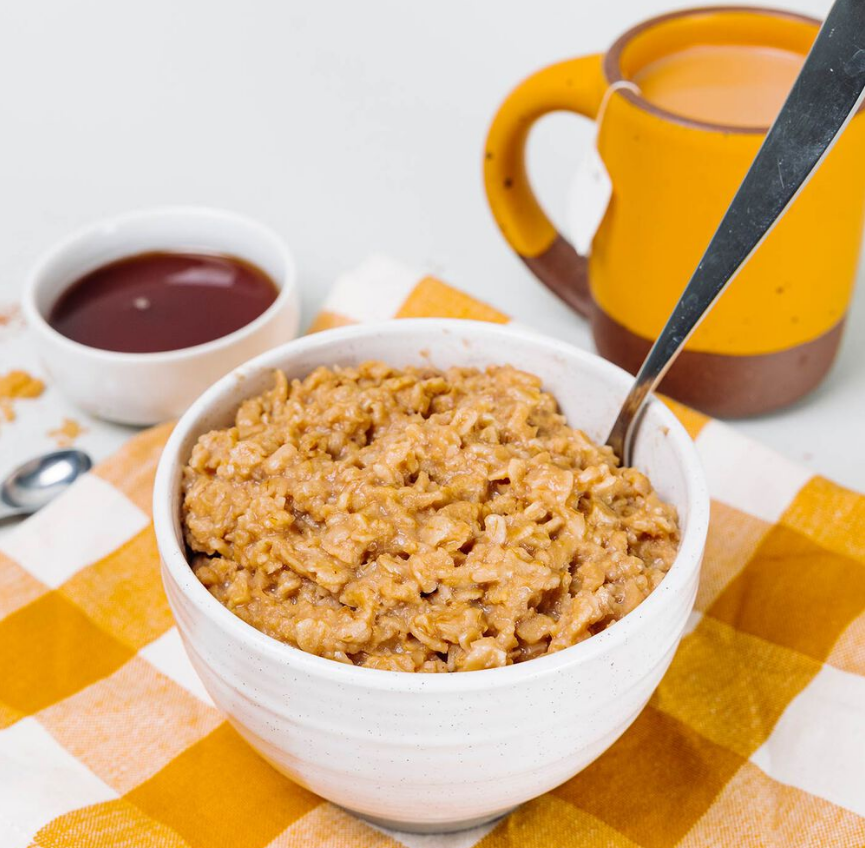
Mix oats, protein powder, milk (or milk alternative), and chia seeds the night before — in the morning, it's ready to eat cold with zero effort. Prefer something hot and ready in minutes? Wonderslim Instant Protein Oatmeal comes in Maple Brown Sugar and Apple & Cinnamon, delivering high protein with controlled carbs and no added sugars. Either way, one serving easily hits 15 grams of protein.
Meal Replacement Shakes For Quick Morning Structure
Meal replacement shakes are the ultimate simple protein breakfast. They're portable, portion-controlled, and specifically formulated for weight loss, not just protein supplementation.
What Makes Meal Replacements Different?
Many meal replacement products are formulated to replace an entire meal and often include added vitamins and minerals, as well as a balanced mix of macronutrients. They're designed to support weight loss while keeping calorie intake under control and nutrition adequate.
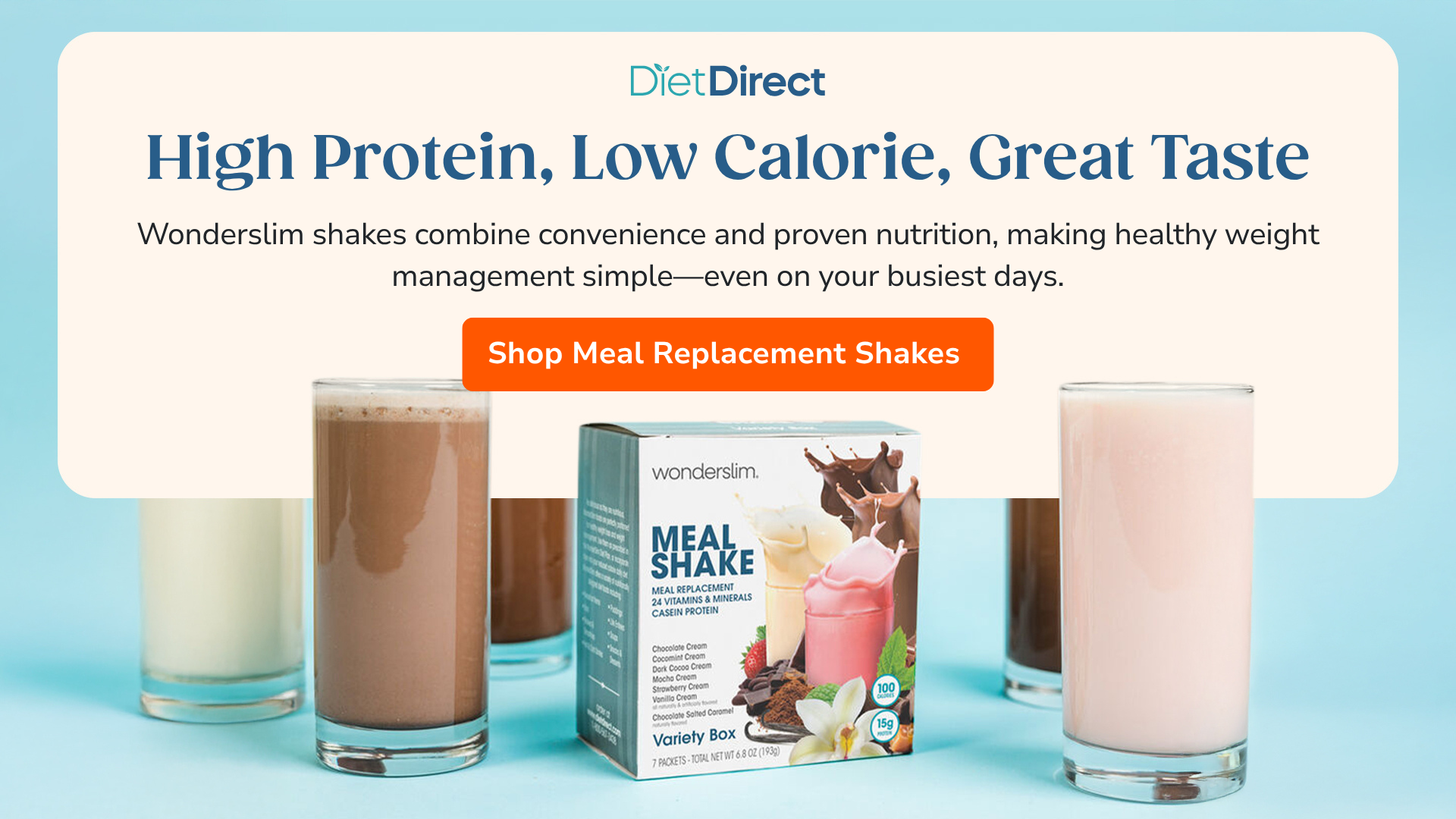
Wonderslim Meal Replacement Shakes
Wonderslim by Diet Direct offers meal replacement shakes with a unique advantage: calcium caseinate protein. Casein is characterized as a "slow" protein that provides more prolonged amino acid release over several hours compared to faster-digesting proteins like whey (PNAS, 1997). The benefits include:
- Curbing cravings longer than fast-digesting proteins
- Elevating metabolism through extended amino acid availability
- Fueling muscle preservation during weight loss
Each shake contains 15 grams of protein blend, is available in gluten-free and low-carb options, and comes in multiple flavors. Mix with water or milk, shake, and you're done.
When to Choose Shake Over Whole Foods
Meal replacement shakes work best when you need speed, consistency, or portion control. If you're prone to overeating at breakfast or you struggle with morning appetite, shakes remove the guesswork. They're also ideal for travel, early workouts, or mornings when you simply don't have time to think.
How to Make Shakes More Satisfying
Add ice and blend until thickened. Mix in instant coffee for a variety of flavors. Drink slowly over 10-15 minutes rather than chugging. Pair with a small piece of fruit if you need extra volume.
Ready-To-Drink And Grab-And-Go Breakfast Options
If even mixing a shake feels like too much work, these grab-and-go options require zero preparation.
Protein Bars
Diet Direct offers a wide range of protein bars from Wonderslim and BariWise — including meal replacement bars, protein snack bars, and protein & fiber bars. They're high in protein, low in carbs, and portable enough to eat in the car or at your desk.
Pre-Made Protein Shakes
Ready-to-drink shakes eliminate mixing entirely. Keep them in your fridge or desk drawer. They're shelf-stable until opened, making them perfect for travel or busy weeks when grocery shopping doesn't happen.
String Cheese and Deli Meat Roll-Ups
Wrap deli turkey or ham around string cheese. Two roll-ups provide 15-18 grams of protein. Add a protein shake or Greek yogurt to reach your 30-35 gram target.
Protein-Packed Nut Butter Packets
Single-serve nut butter packets with added protein (10-12 grams per packet) pair well with fruit. Eat two packets with an apple or banana for a quick 20-gram breakfast.
Jerky and Cheese
Beef, turkey, or salmon jerky offers 9-12 grams of protein per ounce. Pair with a cheese stick for a savory, shelf-stable breakfast that works anywhere.
Building A High-Protein Morning Routine That Lasts
The best protein breakfast ideas are the ones you'll actually stick with. If you're exploring different high-protein breakfast options to support weight loss or muscle maintenance, consistency matters more than complexity. Here’s how to create a routine that becomes automatic.
Start With One Option You Enjoy
Don't force yourself to eat foods you dislike. If you hate eggs, don't eat eggs. If shakes feel too easy to be "real food," pair them with something crunchy like vegetables or a small handful of nuts.
Find what works for you. If you need inspiration beyond traditional meals, you can explore practical ideas like these no-cook weight loss meal plan ideas to keep mornings simple and stress-free.
Prep the Night Before
Set out your protein powder, shake bottle, or grab-and-go items the night before. When morning comes, you're removing decision-making from the equation. Even stocking convenient staples like ready-to-eat high-protein cereals can make it easier to stay consistent without adding extra prep time.
Rotate 3-5 Go-To Breakfasts
Variety prevents boredom, but too many options can lead to decision fatigue. Choose three to five high-protein breakfasts you like and rotate them throughout the week.
Track Your Protein Intake for One Week
Use an app or a notebook to track breakfast protein intake for 7 days. Once you see the numbers, you'll instinctively know which meals hit your target and which fall short.
Pair Your Breakfast With a Morning Habit
Link your protein breakfast to something you already do, making coffee, checking email, or driving to work. Habit stacking makes new routines stick faster.
Common High-Protein Breakfast Mistakes To Avoid
Even with the best intentions, these mistakes can sabotage your progress.
Relying Only on Protein Powder Without Whole Foods
Protein powder is convenient, but pairing it with whole foods adds volume, nutrients, and satisfaction. A shake plus fruit or vegetables feels more complete than powder alone.
Making Breakfast Decisions Based on General Rules Rather Than Personal Response
Research on breakfast and weight loss in adults shows mixed results. A systematic review and meta-analysis of randomized controlled trials found that adding breakfast tended to increase daily energy intake and did not consistently support weight loss in adults (BMJ, 2019).
However, if you find that skipping breakfast leads to overeating later in the day or to uncontrolled afternoon hunger, a high-protein breakfast may help you. Test what works for your body for at least two weeks and compare your results.
Choosing High-Sugar "Protein" Products
Many grocery store protein bars and drinks are loaded with sugar and low in actual protein. Check labels. Aim for at least 15 grams of protein and no more than 10 grams of sugar per serving.
Not Drinking Enough Water
Protein requires water for digestion and satiety. If you're eating more protein but feel bloated or sluggish, increase your water intake throughout the morning.
Eating Too Little Protein Because It "Feels Like Enough"
Appetite isn't always a reliable guide, especially early in a weight loss journey. Measure portions and track intake for the first week to ensure you're hitting your target.
Final Thoughts
A high-protein breakfast doesn’t have to mean cooking, complicated recipes, or extra stress in the morning. With the right structure, you can consistently hit 20–35 grams of protein using simple, no-cook options that support satiety, stable energy, and muscle preservation during weight loss.
Whether it’s Greek yogurt, cottage cheese, grab-and-go options, or a structured shake like Wonderslim by Diet Direct, the key is consistency over perfection. Start simple, rotate a few go-to meals, and build a routine that works with your real life, not against it.
Frequently Asked Questions About High-Protein Breakfast Ideas For Weight Loss (No Cooking Required)
Why is protein important for weight loss and metabolism?
Protein increases satiety through appetite-regulating hormones like GLP-1 and PYY and has a higher thermic effect than carbs or fats, meaning your body burns more calories digesting, absorbing, and metabolizing it. It also helps preserve muscle mass during weight loss, keeping your metabolism elevated.
How much protein should I eat at breakfast to support weight loss?
Many studies examining higher-protein breakfasts use approximately 30-35 grams of protein. Research in this range has shown improvements in satiety, appetite hormone responses, and reduced subsequent food intake in some populations.
Can meal replacement shakes be an effective breakfast for weight loss?
Yes. Many meal replacement shakes provide balanced nutrition in controlled portions, making them effective tools for weight loss when used as part of a calorie-controlled diet. Wonderslim shakes contain calcium caseinate protein, a slow-digesting protein that provides prolonged amino acid release, which may help extend feelings of fullness.
How do I make a high-protein breakfast that keeps me full until lunch?
Choose protein sources with slower digestion, such as Greek yogurt, cottage cheese, or casein protein shakes. Pair with a small amount of healthy fat (nuts, nut butter) and fiber (fruit, vegetables) to further slow digestion and increase satiety.
Are protein bars a good breakfast option for weight loss?
Yes, when chosen carefully. Look for bars with at least 15 grams of protein and no more than 10 grams of sugar. Wonderslim meal replacement bars are specifically formulated for weight loss with controlled calories and balanced nutrition.
How can I build a sustainable high-protein breakfast routine?
Start with one or two protein-rich options you genuinely enjoy. Prep ingredients the night before. Rotate three to five go-to breakfasts to prevent boredom. Link your breakfast to an existing morning habit to make it automatic. Most importantly, choose an approach that fits your individual appetite patterns and response.
Sources:
- Leidy, H. J., Bossingham, M. J., Mattes, R. D., & Campbell, W. W. (2015). A randomized, controlled, crossover trial to assess the acute appetitive and metabolic effects of sausage and egg-based convenience breakfast meals in overweight premenopausal women. American Journal of Clinical Nutrition. https://pmc.ncbi.nlm.nih.gov/articles/PMC4334852/
- Ravn, A.-M., Gregersen, N. T., Christensen, R., Rasmussen, L. G., Hels, O., Belza, A., Raben, A., & Larsen, T. M. (2013). Thermic effect of a meal and appetite in adults: an individual participant data meta-analysis of meal-test trials. Food & Nutrition Research, 57, 19676. https://doi.org/10.3402/fnr.v57i0.19676
- Boirie, Y., Dangin, M., Gachon, P., Vasson, M. P., Maubois, J. L., & Beaufrère, B. (1997). Slow and fast dietary proteins differently modulate postprandial protein accretion. Proceedings of the National Academy of Sciences, 94(26), 14930–14935. https://doi.org/10.1073/pnas.94.26.14930
- Leidy, H. J., Carnell, N. S., Mattes, R. D., & Campbell, W. W. (2007). Higher protein intake preserves lean mass and satiety with weight loss in pre-obese and obese women. Obesity, 15(2), 421–429. https://pubmed.ncbi.nlm.nih.gov/17299116/
- Sievert, K., Hussain, S. M., Page, M. J., Wang, Y., Hughes, H. J., Malek, M., & Maguire, G. P. (2019). Effect of breakfast on weight and energy intake: systematic review and meta-analysis of randomised controlled trials. BMJ, 364, l42. https://pmc.ncbi.nlm.nih.gov/articles/PMC6352874/