Protein For Weight Loss
Check Out Our Blog
Protein For Weight Loss
Protein can make or break a weight-loss plan, and most people don't realize that until hunger, inconsistency, and stalled progress set in. When meals aren't filling enough or nutrition feels unpredictable, even the most disciplined routines start to slip. Weight loss stops being about effort and starts becoming about endurance.
At Diet Direct, protein isn't a trend or a talking point; it's a foundation. For decades, we've built structured, portion-controlled weight-loss programs around predictable protein intake because it supports consistency, satisfaction, and real-world adherence. Our authority comes from long-term program design, carefully formulated products, and thousands of customers who rely on structure instead of guesswork to reach their goals.
In this piece, we'll break down protein for weight loss, explain how it's commonly used in structured plans, what to look for when choosing protein options, and how it supports realistic, sustainable progress over time.
Understanding Protein's Role In Weight Loss
Protein serves multiple critical functions in weight management, making it indispensable for anyone serious about losing fat while maintaining health. At its core, protein is composed of amino acids that your body uses to build and repair tissues, including muscle. During caloric restriction, adequate protein becomes even more important because it helps preserve lean muscle mass that would otherwise be lost along with fat.
Protein Increases Satiety And Reduces Hunger
Higher-protein meals often increase satiety signals, such as peptide YY (PYY), and can improve perceived fullness, though hormonal responses vary by individual and study context. This enhanced satiety means you naturally feel fuller longer after eating protein-rich foods, reducing the likelihood of overeating or snacking between meals.
The Thermic Effect Boosts Calorie Expenditure
The thermic effect of food refers to the energy required to digest, absorb, and process nutrients. Protein has the highest thermic effect of all macronutrients, requiring 20-30% of its calories to be burned during digestion compared to just 5-10% for carbohydrates and 0-3% for fats. This means your body expends more energy simply processing protein.
Protein Preserves Lean Muscle Mass
During weight loss, your body can break down muscle tissue for energy if protein intake is insufficient. Maintaining muscle supports overall metabolic health because muscle tissue is metabolically active. Adequate protein intake signals your body to preserve muscle while preferentially utilizing fat stores for energy.
Protein Intake Requirements For Effective Weight Loss
Determining your optimal daily protein target requires considering several factors, including your current weight, activity level, and weight-loss goals. While general recommendations exist, personalizing your approach ensures the best results.
Standard Protein Recommendations
Common evidence-based targets to help preserve lean mass during weight loss are around 1.6 g/kg/day (approximately 0.7 g/lb/day), with higher intakes sometimes used depending on leanness, training intensity, and the size of the calorie deficit. More active individuals and those engaged in resistance training may benefit from the higher end of this range to support muscle preservation and recovery.
Adjusting For Body Composition
If you have significant weight to lose, calculating protein needs based on your goal weight or lean body mass provides a more accurate target than using your current total weight. This prevents overconsumption while still ensuring adequate muscle preservation.
Protein Macros In Context
While protein is paramount for weight loss, balancing your protein macros with appropriate amounts of carbohydrates and fats creates a sustainable eating pattern. In many higher-protein diet studies, protein accounts for 25-30% of total energy intake, though individual needs vary based on activity and preferences. A typical high-protein diet for weight loss might include 30-35% protein, 30-40% carbohydrates, and 25-35% fats.
Different Types Of Protein For Weight Loss Plans
Not all protein sources are created equal when it comes to supporting fat loss. Understanding the differences between protein types helps you make informed choices about which options best fit your lifestyle and goals.
Complete Vs. Incomplete Proteins
Complete proteins contain all nine essential amino acids that your body cannot produce on its own. Animal-based proteins like meat, fish, eggs, and dairy are typically complete, as are certain protein supplements. Incomplete proteins, common in plant sources, can be combined strategically to provide all essential amino acids.
Fast-Digesting Proteins
Whey protein is a fast-digesting option ideal for post-workout recovery when muscles need quick amino acid delivery. It's absorbed rapidly, making it less ideal for sustained satiety but excellent for specific timing strategies around exercise.
Slow-Digesting Proteins
Casein protein, including calcium caseinate, digests more slowly and can sustain amino acid availability for hours. This makes it particularly valuable for weight loss, as it promotes extended feelings of fullness.
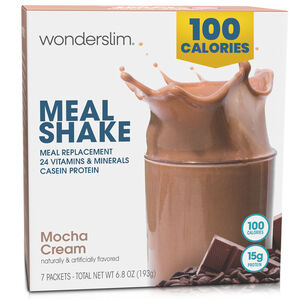
Research shows that pre-sleep casein intake sustains amino acid levels overnight and improves whole-body protein balance. Wonderslim Meal Shakes contain calcium caseinate protein in their blend, delivering sustained amino acid release to help curb cravings longer and support muscle preservation.
Protein Blends
Many meal replacement products use protein blends that combine fast and slow-digesting proteins to provide both immediate and sustained amino acid delivery. This balanced approach supports both recovery and satiety throughout the day.
Essential Protein For Weight Loss: Shakes, Meals, And Snacks
Incorporating convenient, portion-controlled protein sources into your daily routine removes guesswork and simplifies adherence to your high-protein diet. We've developed comprehensive solutions that make meeting your daily protein target effortless while supporting your weight loss goals.
Meal Replacement Shakes
Meal replacement shakes offer precise portion control and complete nutrition in a convenient format. If you're evaluating whether this approach fits your lifestyle, it's helpful to understand the nutritional science behind it, including whether meal replacement shakes are healthy as part of a structured weight loss plan.
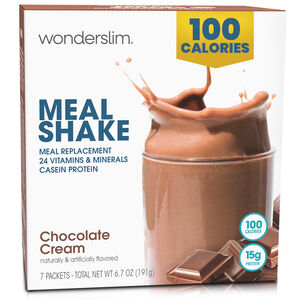
Our Wonderslim by Diet Direct shakes provide 15g of protein per serving from a specially formulated blend that includes calcium caseinate protein. Available in gluten-free and low-carb options, these shakes deliver balanced nutrition while keeping calories in check, making them perfect for replacing one or two meals daily during active weight loss.
Those looking to explore a wider range of options can also review our curated selection of protein shakes for weight loss to better understand how different formulations support fat loss and satiety.
The sustained-release protein in our shakes sets them apart from standard protein drinks. Rather than providing a quick hit of protein that leaves you hungry an hour later, the calcium caseinate protein provides extended amino acid availability, helping you stay satisfied between meals and reducing the temptation to snack.
High-Protein Snacks And Bars
Between-meal hunger can derail even the most dedicated weight loss efforts. We offer a variety of high-protein snacks and bars designed to bridge gaps between meals without excessive calories. If you want to compare formulations, macros, and use cases, our guide to the best protein bars for weight loss provides additional insight into choosing bars that support fat loss without compromising nutrition.
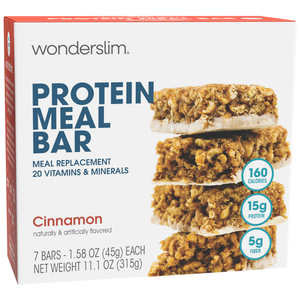
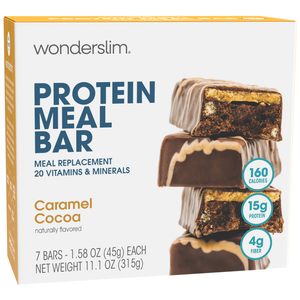
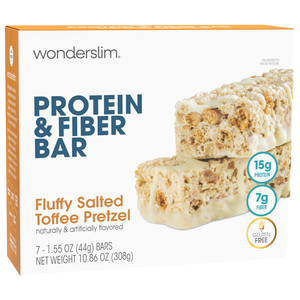
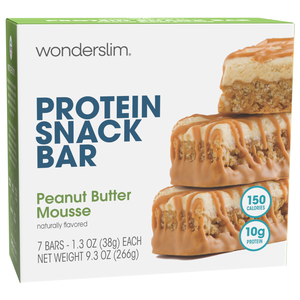
Wonderslim meal bars provide vitamins and minerals along with protein, making them nutritionally complete options when you need something portable and satisfying.
Structured Meal Plans
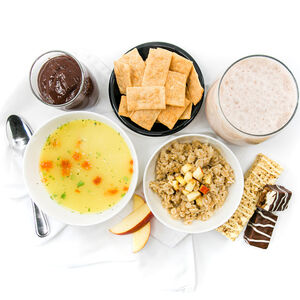
For those who prefer a comprehensive approach, our diet kits provide everything you need for a complete high-protein meal plan. These kits include a variety of meals and snacks carefully portioned to deliver optimal protein intake for fat loss while maintaining appropriate caloric restriction.
Our plans are available in multiple tiers to match your goals:
- Kickstart Basics (60g Protein/day): Perfect for easing into weight loss with flexibility and extra protein support
- Core Momentum (72g Protein/day): Perfect for steady progress with guided structure and increased protein
- Premium Max Results (99g Protein/day): Our most popular choice for maximum convenience and highest protein for accelerated results
Following a structured plan eliminates decision fatigue and ensures consistent results.
Protein Timing: When To Consume Protein For Maximum Results
While meeting your daily protein target is most important, strategic protein timing can enhance results by optimizing muscle preservation, metabolism, and satiety throughout the day.
Distributing Protein Across Meals
Rather than consuming most of your protein in one meal, distributing it across multiple meals helps optimize muscle protein synthesis. A practical target is often around 25-40g per meal (or approximately 0.4 g/kg/meal, depending on body size). This distribution also maintains steady amino acid levels in your bloodstream, supporting sustained satiety.
Morning Protein For Appetite Control
Starting your day with a high-protein breakfast can significantly reduce hunger and later-day calorie intake. A protein-rich morning meal sets a positive metabolic tone and helps maintain stable blood sugar levels, preventing mid-morning energy crashes and cravings.
Pre-Workout Vs. Post-Workout
Consuming protein before exercise provides amino acids during your workout, potentially reducing muscle breakdown. Post-workout protein consumption supports recovery and muscle repair. For most people, total daily intake and regular distribution matter more than precise workout timing; having protein within a few hours on either side of training is sufficient, provided daily targets are met.
Evening Protein For Overnight Recovery
A serving of slow-digesting protein before bed, such as casein or calcium caseinate, can sustain amino acid availability throughout the night as your body repairs and recovers. Controlled studies show that 20-40g of casein, approximately 30 minutes before sleep, stimulates overnight protein synthesis and improves whole-body protein balance. This strategy also helps prevent morning hunger and supports overnight fat burning while preserving muscle mass.
Creating A Sustainable High-Protein Eating Plan
Long-term success requires an approach you can maintain consistently. Building a sustainable high-protein diet means balancing effectiveness, practicality, and enjoyment.
Planning Your Protein Sources
Incorporate a variety of protein sources to ensure nutritional completeness and prevent boredom. Combine whole-food sources like lean meats, fish, and eggs with convenient options like meal-replacement shakes and protein bars. This variety keeps your diet interesting while ensuring you meet your daily protein target regardless of your schedule.
Meal Prep Strategies
Preparing protein-rich meals in advance removes barriers to compliance during busy weeks. Batch-cooking chicken, hard-boiling eggs, and portioning out shakes create grab-and-go options that reduce reliance on less nutritious convenience foods. Having protein readily available makes hitting your protein macros significantly easier.
Balancing Macronutrients
While emphasizing protein, don't neglect healthy fats and complex carbohydrates. Fats support hormone production and nutrient absorption, while carbohydrates provide energy for workouts and daily activities. A balanced approach prevents feelings of restriction and supports overall health during weight loss.
Adjusting As You Progress
Your protein needs may change as you lose weight and your body composition shifts. Consider reassessing your daily protein target periodically as your body weight changes, for example, every several weeks or after meaningful weight loss. This ongoing adjustment maintains optimal results throughout your entire weight loss journey.
Shop High-Protein For Weight Loss Solutions At Diet Direct
At Diet Direct, we understand that successful weight loss requires more than willpower; it demands the right tools, quality products, and reliable support. That's why we've curated a comprehensive selection of protein products specifically designed for effective, sustainable fat loss.
Our Wonderslim Product Line
Our Wonderslim by Diet Direct collection represents the cornerstone of convenient, high-protein weight management. These products feature our unique sustained-release protein formulation with calcium caseinate, which delivers extended amino acid availability. This sustained-release formula helps curb cravings longer and supports muscle preservation more effectively than standard protein products.
Choose from a variety of gluten-free and low-carb meal replacement shake flavors to find options that excite your taste buds while supporting your goals. Each shake provides 15g of protein in a carefully balanced blend, along with essential vitamins and minerals to support overall health during caloric restriction.
Complete Diet Kits
For those seeking a structured approach, our diet kits provide everything needed for a complete high-protein meal plan. These comprehensive solutions take the guesswork out of protein intake for fat loss by providing pre-portioned meals, shakes, and snacks designed to deliver optimal nutrition while maintaining appropriate caloric restriction.
Why Choose Diet Direct
We provide the quality and effectiveness you need with the affordability and customer service you deserve. We offer real-time support to answer questions and help you select products ideally suited to your specific needs and preferences. Your success is our mission, and we're here to support you every step of the way.
Frequently Asked Questions About Protein For Weight Loss
How do I calculate my personal daily protein target?
A standard evidence-based recommendation for preserving lean mass during weight loss is 1.6 g/kg/day (approximately 0.7 g/lb/day), with higher intakes sometimes beneficial depending on your activity level, training intensity, and the size of your calorie deficit. Use your goal weight if you have significant weight to lose, or aim for the higher end of the range if you're very active or doing resistance training.
What is the ideal macronutrient balance for a high-protein diet?
In many higher-protein diet studies, protein comprises around 25-30% of total calories, with the remainder from carbohydrates and fats. Individual needs vary based on activity level, preferences, and specific goals. A typical high-protein diet for weight loss might include 30% to 35% of calories from protein, 30% to 40% from carbohydrates, and 25% to 35% from fats.
When should I consume protein throughout the day for best results?
Distribute protein across multiple meals with approximately 25-40g per meal (or about 0.4 g/kg/meal, depending on body size). Include protein at breakfast for appetite control, around workouts for recovery, and consider slow-digesting protein before bed for overnight muscle support. For most people, total daily intake and regular distribution matter more than precise minute-by-minute timing.
Is it better to take protein before or after workouts?
Both timing strategies offer benefits; pre-workout protein provides amino acids during exercise, while post-workout supports recovery. The most crucial factor is meeting your daily protein target; having protein within a few hours of training on either side is sufficient for most people.
What protein sources are most effective for weight loss?
Lean meats, fish, eggs, Greek yogurt, and meal-replacement shakes with high-quality protein blends are all effective. Casein-based proteins (including calcium caseinate) digest more slowly and can sustain amino acid availability for extended periods, making them particularly valuable for promoting satiety.
Are protein supplements and meal replacement shakes necessary for losing weight?
While not strictly necessary, supplements and shakes make meeting protein targets significantly easier and more convenient. They provide portion control, complete nutrition, and eliminate barriers to meal preparation, increasing adherence and success rates.
Sources:
- Kim, J. (2020). Pre-sleep casein protein ingestion: new paradigm in post-exercise recovery nutrition. Physical Activity and Nutrition, 24(2), 6–10. https://doi.org/10.20463/pan.2020.0009