High-Protein Snacks For Weight Loss
Check Out Our Blog
High-Protein Snacks For Weight Loss
Hunger between meals is where most weight-loss plans quietly break down. A busy afternoon, a skipped lunch, a quick grab of whatever's nearby, and suddenly calories climb while structure disappears. It's not a motivation problem; it's a planning gap. High-protein snacks exist to close that gap by giving your body something purposeful instead of something reactive.
At Diet Direct, we've built decades of weight-loss programs around one core principle: structure beats willpower every time. We've supported thousands of customers through portion-controlled plans and carefully formulated products designed for real-world schedules. High-protein snacks aren't an afterthought in our system; they're a strategic tool for consistency, hunger management, and staying on track without guesswork.
In this piece, we'll explain how high-protein snacks for weight loss fit into structured plans, why they matter between meals, what to look for when choosing them, and how they support steady, sustainable progress.
Why Your Grocery Store Protein Snacks Are Stalling Progress
Walking down the snack aisle, you'll find countless products sporting "high protein" labels. Unfortunately, many of these options contain hidden ingredients that work against weight loss.
Hidden Sugars Spike Insulin
Some protein bars and snacks can contain 10 to 15 grams of added sugar per bar, comparable to or even exceeding the sugar content of conventional candy bars in similar serving sizes. Higher-sugar snacks can raise blood glucose and insulin and may be less filling for some people, potentially making it harder to stay within a calorie target.
Calorie Counts That Rival Meals
Some protein snacks pack 300 to 400 calories per serving. Without proper portion awareness, these "snacks" can push you over your daily calorie target and stall fat loss.
Minimal Protein Relative To Other Macros
A snack labeled "high protein" might contain only 8 to 10 grams of protein alongside 30+ grams of carbohydrates. This ratio doesn't provide the satiety benefits you need for effective weight management.
Ultra-Processed Ingredients
Some products are highly processed and contain various sweeteners, preservatives, and fillers. If you're sensitive to certain additives, choose options you tolerate well and that align with your overall dietary preferences.
Benefits Of High-Protein Snacks For Weight Loss
Incorporating strategic protein snacks into your eating plan provides multiple physiological advantages that support sustainable fat loss.
Increased Satiety Between Meals
Protein triggers the release of satiety hormones that signal fullness to your brain, reducing the likelihood of overeating at your next meal.
Muscle Preservation During Calorie Restriction
When you're in a caloric deficit, your body can break down muscle tissue for energy. Higher-protein diets during energy restriction often show better lean-mass retention, especially when combined with resistance training. Effects can vary by population and study design, but adequate protein intake throughout the day helps preserve lean muscle mass.
Stabilized Blood Sugar Levels
Unlike high-carb snacks, which can cause blood sugar spikes and crashes, protein snacks provide steady energy without the dramatic fluctuations that may trigger cravings in some individuals.
Enhanced Metabolic Rate
The thermic effect of protein means your body burns more calories digesting protein compared to carbohydrates or fats, slightly boosting your daily calorie expenditure.
Reduced Evening Hunger
Strategic afternoon protein snacks can help prevent evening hunger, which leads many people to overeat at dinner or indulge in late-night snacking.
The Science Behind Protein And Metabolism
To truly understand weight loss, it helps to see protein for what it really is: not just another macronutrient, but a metabolic regulator. While carbohydrates and fats are primarily treated as fuel, either used immediately or stored for later, protein is handled differently. Your body prioritizes it for preservation, repair, and structural function. When protein intake is consistent, it influences how efficiently your body uses energy during a calorie-controlled plan.
The Thermic Effect Of Food (TEF)
One of protein's most well-documented advantages is its higher thermic effect of food. Simply put, your body expends more energy digesting and processing protein than it does digesting and processing carbohydrates or fats. A meaningful portion of protein calories is used up during digestion itself, making protein a more metabolically demanding nutrient within a structured eating plan. This contributes to more efficient calorie utilization over time.
Muscle Preservation And Metabolic Support
During weight loss, preserving lean muscle mass matters. Muscle tissue supports baseline metabolic activity, even at rest. Adequate protein intake helps maintain muscle during calorie reduction, supporting a more stable metabolic rate and helping weight loss remain consistent rather than reactive.
Hunger Regulation And Satisfaction
Protein also plays a role in appetite signaling. Higher-protein meals are associated with increased feelings of fullness and reduced hunger between meals. This helps explain why protein-focused plans often feel more manageable than low-calorie approaches that rely solely on restriction, supporting adherence without constant hunger.
Best High-Protein Snacks For Weight Loss On The Go
At Diet Direct, we've carefully selected portable protein snacks to support your weight-loss goals, whether you're at work, traveling, or simply need a convenient option.
Wonderslim Meal Bars
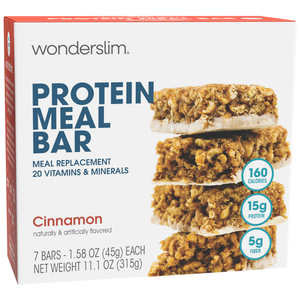
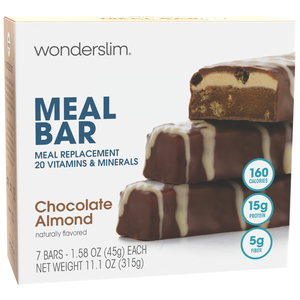
Wonderslim Meal Bars are designed to support structured weight-loss plans while satisfying sweet cravings. They offer a balanced combination of protein and nutrition with low sugar, making them suitable for meal replacement or a filling snack. If you're comparing formats and flavors, our curated collection of the best protein bars for weight loss is a helpful place to explore which bars align best with your goals.
Bariwise Protein Bars
Bariwise Protein & Fiber Bars provide a lighter, portion-controlled snack option with protein support and added fiber. Created with bariatric nutrition in mind, these bars are well-suited for anyone looking for nutrient-dense snacks that fit into calorie-conscious weight management routines.
Protein Puddings And Dessert Cups
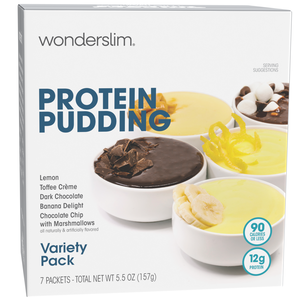
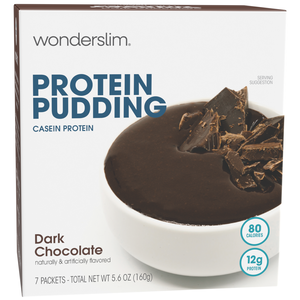
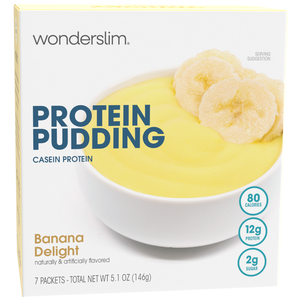
For those who want a dessert-style option, protein puddings and cakes offer a sweet treat that aligns with structured eating plans. These snacks are formulated to be low in sugar and calories while still delivering protein support, making them a wise choice for after-dinner cravings.
Savory Protein Chips
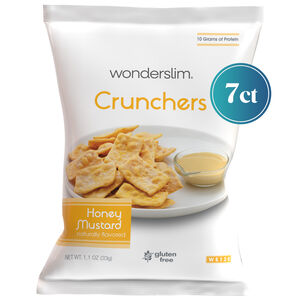
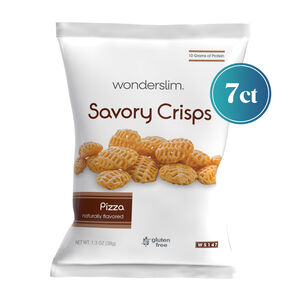
If you prefer savory snacks over sweet, protein chips deliver crunch and flavor without the heaviness of traditional chips. They're designed to offer a more balanced alternative that fits into weight-loss routines while still feeling satisfying.
Meal Replacement Shakes
Wonderslim by Diet Direct meal-replacement shakes are made with calcium caseinate, a slower-digesting protein source often used in structured weight-loss programs. Available in gluten-free and low-carb options, these shakes are commonly used as meal replacements or between-meal support. For a deeper comparison of formats, flavors, and nutritional profiles, our guide to protein shakes for weight loss offers additional insight.
What To Look For In High-Protein Snacks For Weight Loss
Not all protein snacks are equally effective for weight loss. To choose options that truly support your goals, use the following criteria as a guide.
Adequate Protein Content
Look for snacks that provide at least 10 grams of protein per serving. This level is commonly used to support satiety and help preserve lean muscle mass, though individual needs may vary based on body size, activity level, and overall intake.
Controlled Sugar Levels
Aim for snacks with low added sugar, often around 5 grams or less per serving as a practical benchmark. Always check the nutrition label, especially the line for added sugars, rather than relying on front-of-package claims.
Calorie Awareness
For many people, a snack in the 150-250 calorie range fits nicely into a weight-loss plan. Snacks that are significantly above this range may function more like small meals, making daily calorie control more difficult.
Quality Protein Sources
Prioritize snacks made with complete protein sources such as whey protein isolate, calcium caseinate, or casein. While soy protein isolate is also full, whey and casein are typically higher in leucine, an amino acid associated with muscle protein synthesis. Collagen protein, which is incomplete and low in specific essential amino acids, is generally less adequate as a primary protein source for weight loss.
Ingredient Simplicity
Some processing is expected in packaged snacks, but choosing options with recognizable ingredients can make it easier to align with your dietary preferences and tolerance.
Fiber Content
Snacks that include 3 grams or more of fiber can provide added fullness and digestive support, making it easier to manage hunger between meals.
How To Incorporate High-Protein Snacks Into Your Weight Loss Plan
Strategic snacking is the bridge between a failed resolution and a permanent transformation. To see clinical results, snacks must be integrated intentionally, not treated as an afterthought. Understanding when and how to use snacks effectively is just as important as knowing whether meal replacement shakes are healthy within a structured eating plan.
The "Pre-Emptive Strike" Strategy
The biggest mistake dieters make is waiting until they are ravenous to eat. By then, your body has already released a flood of ghrelin, making it nearly impossible to resist high-calorie temptations. Instead, schedule your high-protein snacks as a "pre-emptive strike" during your high-risk hours:
- The 3:00 PM Wall: This is the most critical time for a high-protein snack for weight loss. A protein bar or savory snack here prevents the dinner-time binge.
- The Post-Workout Window: Within 45 minutes of activity, use a liquid protein source or a light snack to repair muscle tissue immediately.
- Late-Night Buffer: If you struggle with evening hunger, a slow-digesting protein snack (like cottage cheese or a milk-protein-based bar) provides the amino acids needed to prevent muscle breakdown overnight.
Creating A "Tactical Stash"
Consistency is the only path to bragging-rights results. Life is unpredictable, but your nutrition shouldn't be. We recommend keeping a "Tactical Stash" of medical-grade snacks in three key locations:
- Your Car: To bypass the drive-thru during a long commute.
- Your Desk: To avoid the office vending machine or the breakroom donuts.
- Your Gym Bag: To ensure your metabolism has the recovery tools it needs the moment you finish your session.
The Snack-To-Meal Ratio
Think of your snacks as "mini-meals" that keep your blood sugar in a steady, fat-burning zone. A successful day on a Diet Direct protocol typically involves three lean, high-protein meals supplemented by two or three high-protein snacks. This keeps your thermic effect of food (TEF) high and your energy levels stable, ensuring you never feel the "deprivation" that kills most diets.
Shop High-Protein Snacks For Weight Loss At Diet Direct Today
We've spent years curating the most effective products for weight management, and our selection of high-protein snacks for weight loss reflects that commitment. Every product we carry meets strict standards for protein content, sugar levels, and calorie counts.
Award-Winning Customer Service
Our team understands the challenges of weight loss because we've helped thousands of customers achieve their goals. We're available to answer questions, provide recommendations, and support your journey every step of the way.
30 Day Money-Back Guarantee
We stand behind every product we sell. If you're not satisfied with your purchase, we'll make it right with our 30-day money-back guarantee.
Convenient Home Delivery
We deliver your favorite protein snacks directly to your door, eliminating the temptation of grocery store impulse purchases. Free shipping on orders over $79+ makes stocking up even more convenient.
Specialized Diet Options
Whether you're following a low-carb, gluten-free, or diabetic-friendly protocol, we carry protein snacks that fit your specific needs. Our product filters make finding compatible options simple.
Browse our complete selection today and discover how the right portable protein snacks can transform your weight loss experience. With Diet Direct, you're not just buying snacks, you're investing in personal improvement through better nutrition.
Frequently Asked Questions About High-Protein Snacks For Weight Loss
Can high-protein snacks really help curb cravings and reduce hunger?
Yes. Protein triggers satiety hormones that signal fullness to your brain, reducing appetite for several hours. Protein is more satiating than carbohydrates or fats, making it the most effective macronutrient for hunger control.
What's the difference between high-protein snacks and regular snacks?
High-protein snacks contain 10+ grams of protein and typically have fewer carbohydrates and sugars than regular snacks. This composition stabilizes blood sugar, extends satiety, and supports muscle preservation, benefits absent in conventional snacks.
How do protein shakes compare to whole food protein snacks for weight loss?
Both are effective when calories and protein content are similar. Casein-based protein shakes digest more slowly than whey. It can provide a more sustained rise in blood amino acids, offering extended hunger control compared to some quick-digesting protein sources.
What makes a snack truly low-sugar, and how do I identify hidden sugars on labels?
Check the nutrition facts panel for added sugars, aiming for around 5 grams or less as a practical target. Also, review the ingredient list for honey, agave, brown rice syrup, cane juice, dextrose, maltodextrin, and other sugar synonyms that manufacturers use to list sugar content.
Can I eat high-protein snacks if I'm following a low-carb or keto diet?
Yes. Many high-protein, low-sugar snacks fit perfectly into low-carb and keto protocols. Look for options with net carbs (total carbs minus fiber) under 5-10 grams per serving, which Diet Direct clearly labels on product pages.
What's the best time to eat a protein snack, especially after workouts?
Protein after training supports muscle repair and recovery, and spreading protein intake across the day is beneficial. While timing is flexible, consuming protein around your training session is helpful. Throughout the day, protein snacks work best mid-morning, mid-afternoon, or 60-90 minutes before dinner to control appetite and maintain steady energy levels.