Key Takeaways:
- Not All Protein Bars Support Weight Loss: Some bars are calorie-dense and high in added sugars, closer nutritionally to dessert than a health snack, so choosing the right bar matters.
- Protein Content Matters, But So Does The Full Profile: The best protein bar for weight loss balances high protein with low added sugar, adequate fiber, and controlled calories.
- Strategic Use Delivers Better Results: Protein bars work best as planned meal replacements or pre-portioned snacks, not as unlimited additions to your existing diet.
Are Protein Bars Good For Weight Loss?
Are protein bars a smart weight-loss tool, or just a convenient snack wearing a health label? For many people trying to lose weight, the real challenge isn’t cravings, it’s structure. Miss a meal or get stuck between appointments, and even the best plan can unravel fast, leaving you reaching for whatever’s closest instead of what actually supports your goals.
At Diet Direct, we’ve spent decades helping people follow structured, realistic weight-loss programs built around portion control and consistent nutrition. Protein bars have long played a role in those plans when used correctly, and our experience comes from supporting thousands of customers with products designed to fit real life, not impulse decisions or trend-driven promises.
In this piece, we’ll break down whether protein bars are good for weight loss, when they make sense in a plan, what to look for nutritionally, and how to use them to support steady, sustainable progress.
Are Protein Bars Good For Weight Loss Or Just Convenient Snacks?
The question of whether protein bars are good for weight loss is complex. Protein bars can be effective weight loss tools, but only when they meet specific nutritional criteria and replace higher-calorie options rather than adding extra calories to your day.
The Role of Protein in Weight Management
Protein supports weight loss through multiple mechanisms. It increases satiety, helping you feel fuller longer and reducing overall calorie intake throughout the day. Higher-protein diets can help preserve lean muscle mass during calorie restriction in many contexts, which is essential for maintaining a healthy metabolism. Additionally, protein has a higher thermic effect than carbohydrates or fats, meaning your body burns more calories processing it.
When Protein Bars Become Counterproductive
Some protein bars are calorie-dense and can be high in added sugars, closer nutritionally to a dessert than a "health" snack. A 300+ calorie bar with around 20 grams of sugar can make it harder to maintain a calorie deficit, especially if it's added to meals rather than replacing food. These options can hinder weight loss by adding calories without providing sustained fullness.
The Convenience Factor
The portability of protein bars makes them appealing for busy lifestyles, but convenience shouldn't come at the expense of nutritional quality. A truly effective weight loss protein bar provides balanced nutrition, controls hunger, and fits within your daily calorie target, not just saves you time.
When Protein Bars Make Sense During A Weight Loss Plan
Strategic timing and intentional use determine whether protein bars support or sabotage weight loss efforts.
As Meal Replacements
Protein bars work best when replacing a higher-calorie meal, particularly breakfast or lunch. For many people, a 150-200 calorie protein bar with balanced macros can substitute a 400-500 calorie meal, creating the calorie deficit necessary for weight loss (though meal-replacement bars may be higher depending on your plan). This approach only works when the bar provides adequate protein (15+ grams) and fiber to sustain energy and fullness until your next meal.
For Pre-Portioned Snacking
Weight loss often fails due to uncontrolled snacking. Low-calorie protein bars provide portion control that loose snacks like nuts or cheese don't offer. When you're genuinely hungry between meals, a pre-portioned high-protein snack bar prevents overeating while delivering nutrients that stabilize blood sugar.
For those following plant-based diets, alternatives like vegan protein chips can also serve as structured, portion-conscious snack options.
Post-Workout Nutrition
After exercise, protein bars can support muscle recovery while controlling calories. The protein helps repair muscle tissue, which is especially important during weight loss when your body might otherwise break down muscle for energy. Choose bars with minimal added sugars for post-workout recovery.
When They Don't Make Sense
Protein bars shouldn't be eaten mindlessly or added to regular meals. They're not appropriate as dessert after a full meal or as multiple daily snacks. Using them this way adds calories without creating the deficit weight loss requires.
Critical Nutrition Factors To Consider In Protein Bars
Understanding the nutrition label separates weight-loss-supporting bars from less helpful options.
Protein Content
Look for bars containing at least 15 grams of protein. This amount provides meaningful satiety benefits and supports muscle preservation. The protein source matters too; whey protein, casein, and soy protein are complete proteins offering all essential amino acids. Bars using protein blends often provide sustained energy release.
Sugar Content
Prioritize lower added sugar overall; bars containing 5 grams or fewer work well for many people. Higher added-sugar intake can spike blood glucose, trigger insulin release, and increase cravings and hunger shortly after eating. When added sugars are used as ingredients, even natural options like honey count toward your daily added sugar intake.
Fiber Amount
If fullness is your goal, many people look for bars with around 5-10 grams of fiber, but compare this to your daily fiber target (commonly cited as 38g for men 19-50 and 25g for women 19-50). Fiber slows digestion, stabilizes blood sugar, and extends satiety. It also supports gut health, which emerging research links to weight management and metabolism.
Calorie Count
For many people, around 150-200 calories works well for a snack bar; meal-replacement bars may be higher depending on your plan. Remember, effective weight loss requires a calorie deficit; higher-calorie bars make this harder to achieve unless they're truly replacing a meal.
Ingredient Quality
Use the Nutrition Facts panel to compare protein, fiber, calories, and added sugars; these measurable targets matter more than ingredient list length alone. If you're sensitive to sugar alcohols, limit them, as they can cause digestive discomfort in some people. Focus on bars that deliver the macronutrient profile you need rather than getting caught up in "clean eating" rhetoric.
Protein Bars vs. Other Weight Loss Snack Options
How do protein bars compare to alternative snacks for weight loss?
Protein Bars vs Greek Yogurt
Greek yogurt offers 15 to 20 grams of protein per serving with probiotics for gut health. However, it requires refrigeration and a spoon, limiting convenience. Protein bars provide comparable protein in a shelf-stable, portable format. The trade-off is that yogurt typically contains fewer processing and additives.
Protein Bars vs. Nuts
Nuts provide healthy fats, protein, and fiber, but they're calorie-dense and easy to overconsume. A small handful can quickly add up to several hundred calories. Pre-portioned low-calorie protein bars eliminate this risk while delivering more protein per calorie.
Protein Bars vs. Fresh Fruit
Fruit offers vitamins, minerals, and fiber with minimal calories, but it's low in protein. This makes fruit less satiating than high-protein snack bars. Combining fruit with a protein source creates a more balanced snack, but protein bars provide that balance in one convenient package.
Protein Bars vs. Meal Replacement Shakes
Meal replacement shakes and protein bars serve similar purposes for weight loss. Shakes may offer more hydration and can be easier to digest, while bars provide more chewing satisfaction and portability. Both can be effective; the choice depends on personal preference and situation.
Those needing dietary-specific options may benefit from low-sodium protein shakes when managing blood pressure or fluid retention alongside weight loss.
Best Protein Bars For Weight Loss: What To Look For
Identifying the best protein bar for weight loss requires evaluating criteria beyond protein content alone.
The Ideal Macronutrient Ratio
Target bars with 40% to 50% of calories from protein, 20% to 30% from healthy fats, and the remainder from complex carbohydrates and fiber. This balance supports stable energy, satiety, and metabolic health. Avoid bars where carbohydrates (especially added sugars) dominate the calorie profile.
Evaluating Sweeteners
If weight loss is the goal, prioritize lower added sugar overall. Non-nutritive sweeteners like stevia and monk fruit reduce added-sugar calories, while honey and other caloric sweeteners are still added sugars when used as ingredients. While some sugar alcohols (like erythritol) have minimal impact on blood sugar, others can cause digestive discomfort, so pay attention to your tolerance.
Checking for Fillers and Additives
Use the Nutrition Facts panel to verify the bar delivers adequate protein (15+ grams), fiber (3-5+ grams), and controlled added sugars and calories.
Taste and Satisfaction
Even the most nutritionally optimal bar won't support weight loss if you dislike eating it. The best protein bar for weight loss is one you'll actually consume consistently. Sample different brands and flavors to find options you genuinely enjoy, ensuring long-term adherence to your plan.
Allergen Considerations
Many people need gluten-free, dairy-free, or nut-free options. Fortunately, quality bars exist in all these categories. Don't compromise on protein content or added sugar levels just to accommodate allergies; carefully vetted allergen-friendly options exist.
How To Incorporate Protein Bars Into Your Weight Loss Plan
Success with protein bars requires intentional strategy, not random consumption.
Set Clear Rules for Use
Decide in advance when and why you'll eat protein bars. Common effective strategies include using them as a breakfast replacement, an afternoon snack, or a post-workout snack. Having clear guidelines prevents mindless consumption that adds unwanted calories.
Track Your Intake
Log protein bars in your food diary or tracking app just like any other food. This accountability ensures they fit within your daily calorie and macro targets. Seeing bars documented alongside meals helps you recognize patterns and adjust as needed.
Rotate Flavors
Eating the same protein bar daily can lead to flavor fatigue and decreased adherence. Maintain variety by rotating between several approved options. This keeps your plan interesting while ensuring you stay within nutritional guidelines.
Pair With Whole Foods When Appropriate
Sometimes a protein bar alone isn't quite enough. Pairing a bar with a piece of fruit, a small handful of vegetables, or a cup of herbal tea can increase satisfaction and nutritional diversity without significantly increasing calories.
Listen to Your Hunger Cues
Protein bars should address genuine hunger, not boredom or stress. Before reaching for a bar, assess whether you're physically hungry or emotionally eating. This mindfulness supports both weight loss and a healthier relationship with food. Many people cap bars at around 1 per day (sometimes 2) to leave room for whole foods; adjust based on your calorie and protein targets.
Diet Direct Protein Bars: A Trusted Weight Loss Solution
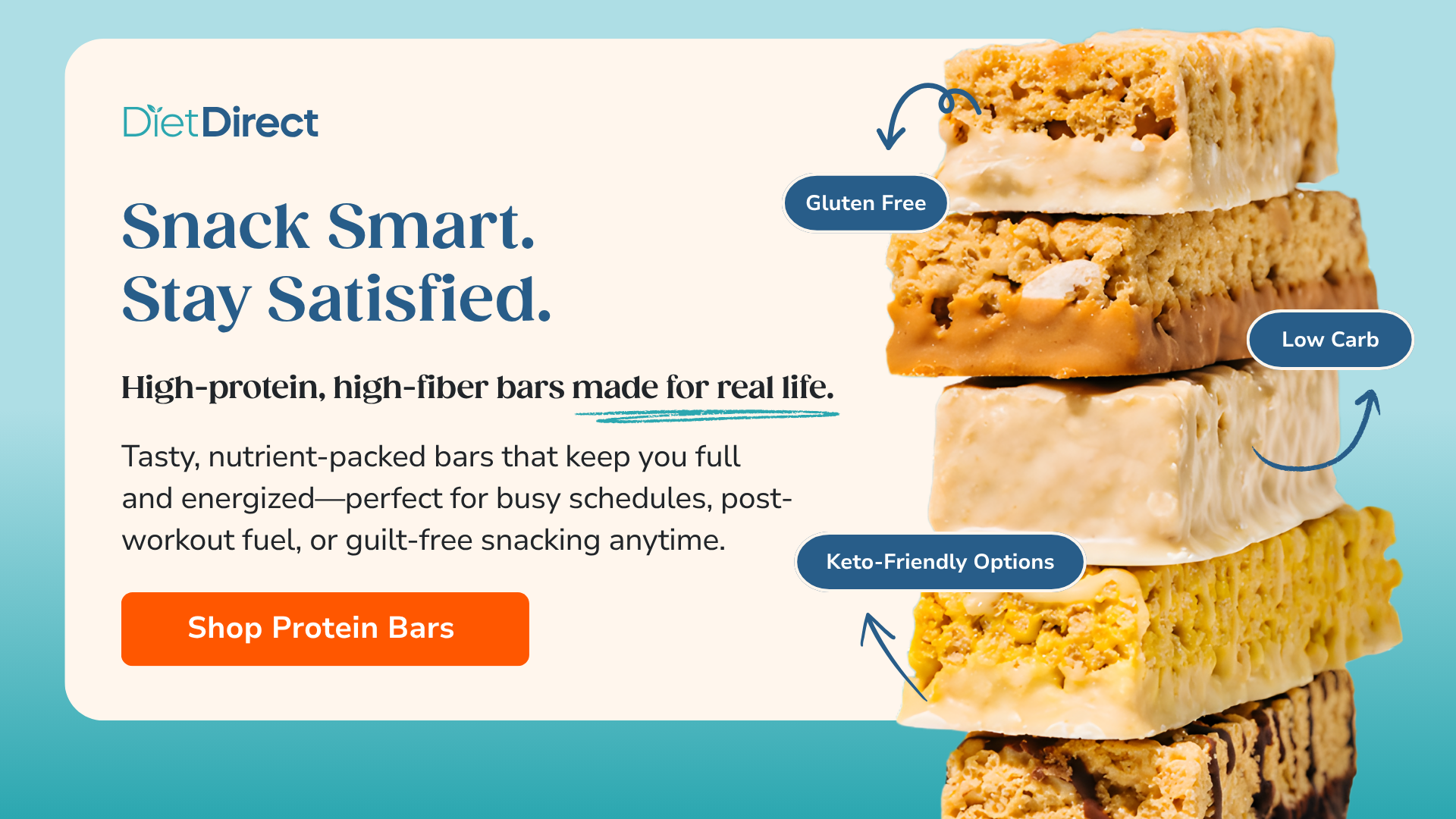
At Diet Direct, we understand that choosing the right protein bar can make or break your weight loss success. That's why we've developed the Wonderslim line, specifically formulated to support weight management without sacrificing taste or nutrition.
What Sets Wonderslim Protein Bars Apart
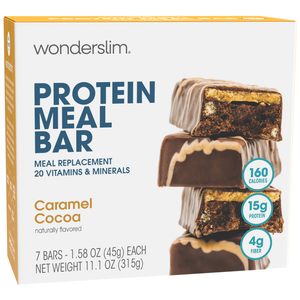
Our Wonderslim Protein Bars deliver around 10-15 grams of high-quality protein in a controlled-calorie format (approximately 150 calories per bar, though this varies by flavor; always check the product label).
These carefully balanced bars provide the satiety and nutrition you need while supporting the calorie deficit essential for weight loss. We've worked to minimize added sugar content while maximizing flavor, creating bars you'll actually look forward to eating.
Formulated for Real Results
We don't just add protein and call it a weight loss bar. Wonderslim bars are designed with nutritional profiles that take into account protein quality, fiber content, sugar levels, and micronutrients. This comprehensive approach ensures our bars support your entire wellness journey, not just your protein intake.
Variety for Every Preference
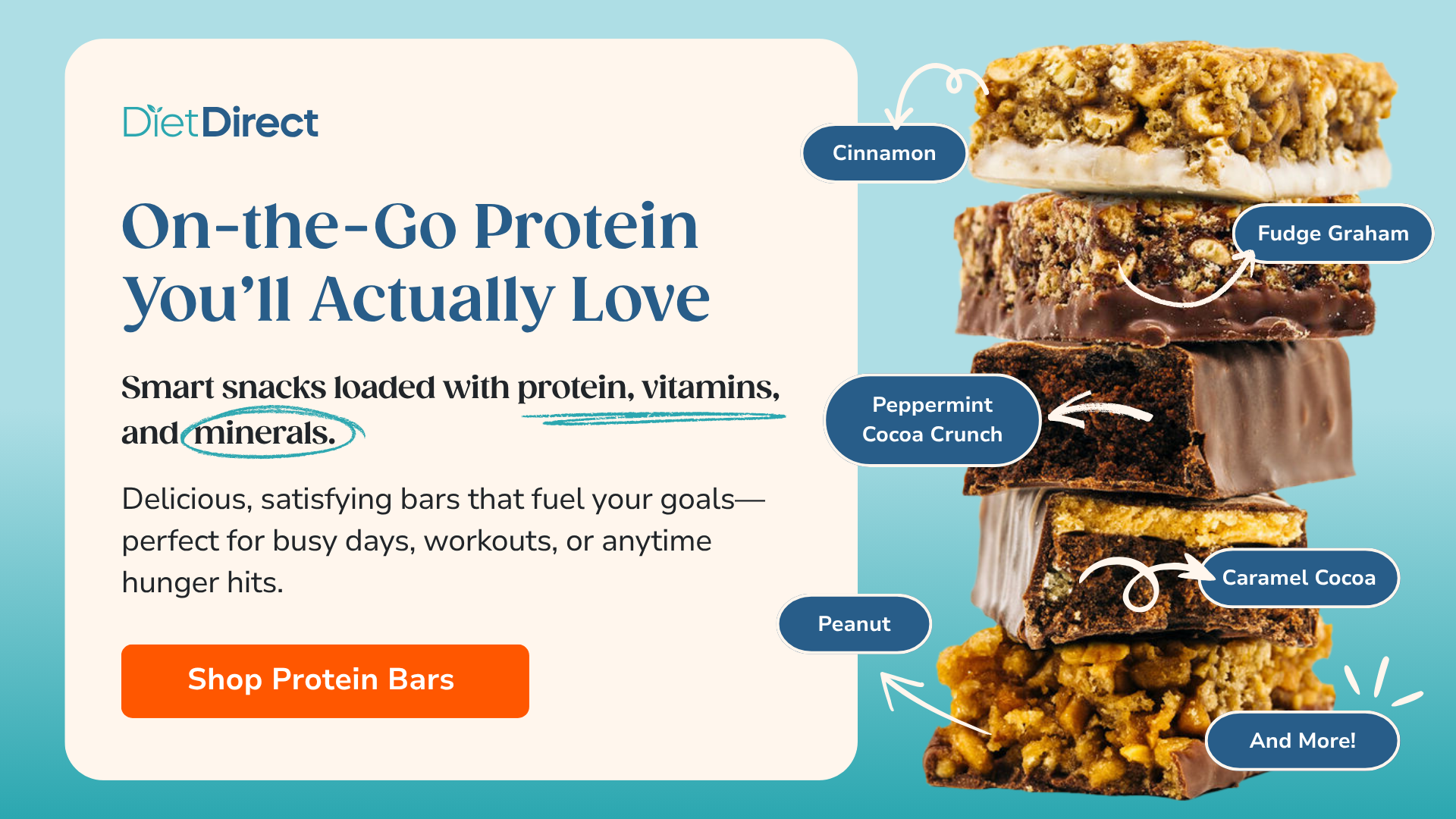
We offer multiple flavors across our protein bar line, recognizing that sustainable weight loss requires options you genuinely enjoy. From chocolate to fruit flavors, our selection helps you maintain variety while staying committed to your goals. Check individual product labels to compare nutritional profiles across flavors.
Backed by Our Commitment
Diet Direct has built a reputation for providing nutrition products designed to support weight management goals. Our Wonderslim Protein Bars reflect this commitment to quality and efficacy. When you choose Diet Direct, you're choosing products developed with your success as the priority.
Part of a Complete System
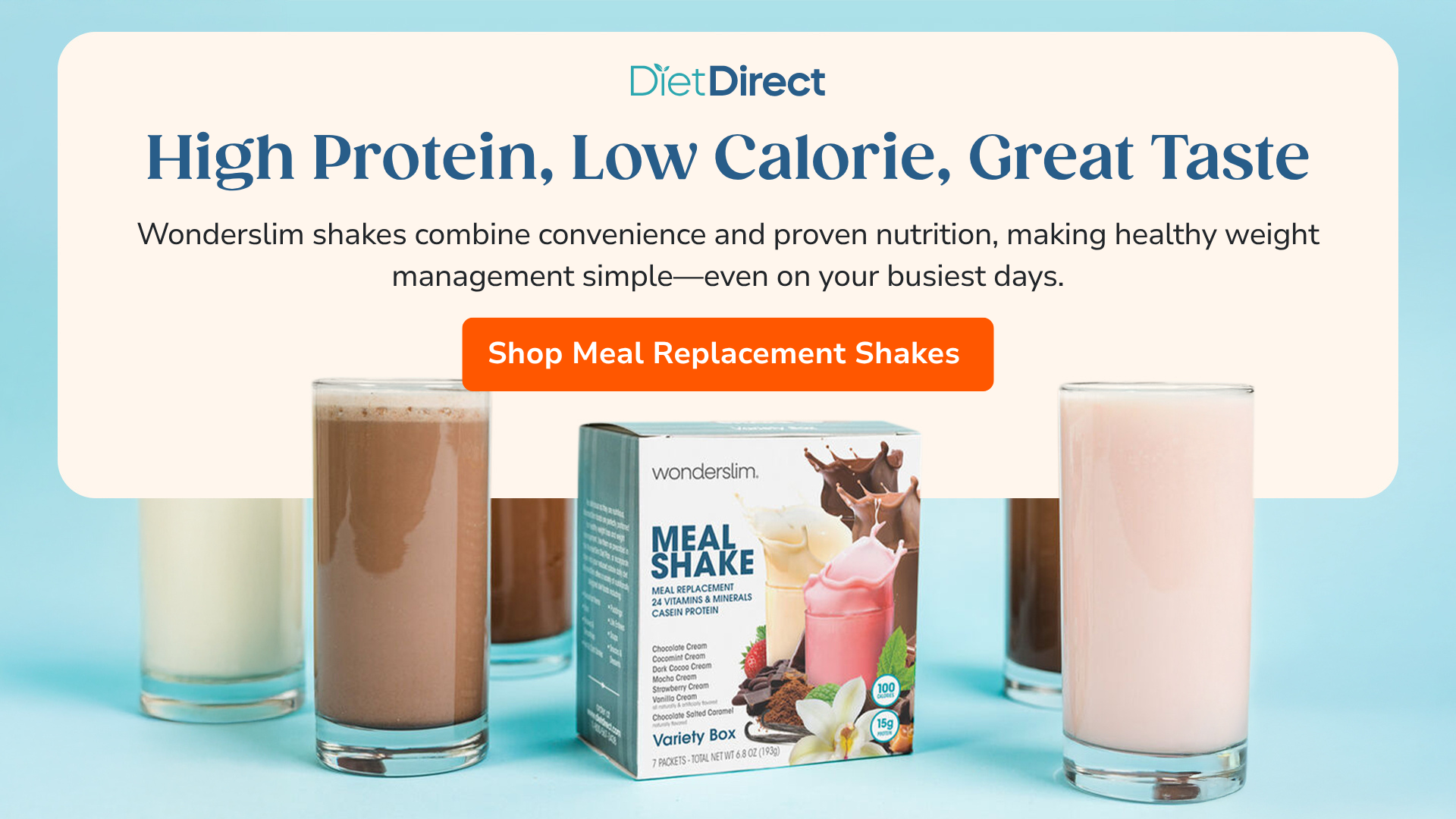
Our protein bars work best as part of a comprehensive weight loss approach. We also offer meal replacement shakes, diet kits, and supplements designed to work together, creating a complete support system for your journey. Many customers find success by incorporating both our shakes and bars into their daily routine, benefiting from variety while maintaining nutritional consistency.
Final Thoughts
Are protein bars good for weight loss? They absolutely can be, when you choose wisely and use them strategically. The best protein bar for weight loss isn't necessarily the highest in protein or the lowest in calories, but rather the one that balances protein, fiber, healthy fats, and minimal added sugar while fitting seamlessly into your lifestyle and calorie goals.
Low-sugar protein bars and high-fiber protein bars offer distinct advantages, but what matters most is the complete nutritional profile and how the bar fits into your overall eating pattern. Success with protein bars requires treating them as tools in your weight-loss plan, not as magic solutions.
Use them intentionally to replace higher-calorie meals, control portions, and provide convenient nutrition when life gets busy. With quality options like Wonderslim Protein Bars and a strategic approach to incorporation, protein bars can be valuable allies in achieving and maintaining your ideal weight.
Frequently Asked Questions About Are Protein Bars Good For Weight Loss?
What should I look for in a protein bar for weight loss?
Use the Nutrition Facts panel to compare protein (15+ grams is a common target), added sugars (less than 5 grams works for many people), fiber (3 to 5 grams), and calories (150 to 200 for snacks). These measurable targets matter more than ingredient list order, since ingredients are listed by weight and don't always reflect nutritional quality.
Are low-sugar protein bars better for weight loss?
Yes, low-sugar protein bars support weight loss more effectively than high-sugar alternatives. Limiting added sugar helps prevent blood sugar spikes and crashes that trigger cravings and hunger. Bars with 5 grams of added sugar or less provide better appetite control and make it easier to maintain a calorie deficit.
Can high-fiber protein bars help with weight loss?
High fiber protein bars definitely support weight loss by increasing satiety and slowing digestion. Fiber helps you feel fuller longer, reduces overall calorie intake, and supports digestive health. If fullness is your goal, many people look for bars with around 5-10 grams of fiber, compared to their daily fiber target.
What are the best ingredients in a healthy protein bar?
Focus on the Nutrition Facts panel rather than getting caught up in ingredient marketing. Verify the bar delivers adequate protein (15+ grams), fiber (3-5+ grams), controlled added sugars, and appropriate calories for your plan. Quality protein sources include whey, casein, pea, and soy protein.
How should I incorporate protein bars into my weight loss plan?
Use protein bars as intentional meal replacements or pre-portioned snacks rather than additions to regular meals. Plan specific times for consumption, such as breakfast replacement or an afternoon snack, and track them in your food log. Many people cap bars at around 1 per day (sometimes 2) to leave room for whole foods; adjust based on your calorie and protein targets.
Which protein bar is best for my specific weight loss goals?
The best bar depends on your individual needs. If you struggle with sugar cravings, prioritize bars with minimal added sugars (5g or less). If you need longer-lasting fullness, choose high fiber options (5g to 10g fiber). For calorie control, select snacks with about 150-200 calories. Wonderslim Protein Bars from Diet Direct offer balanced options; check product labels to compare specific flavors.