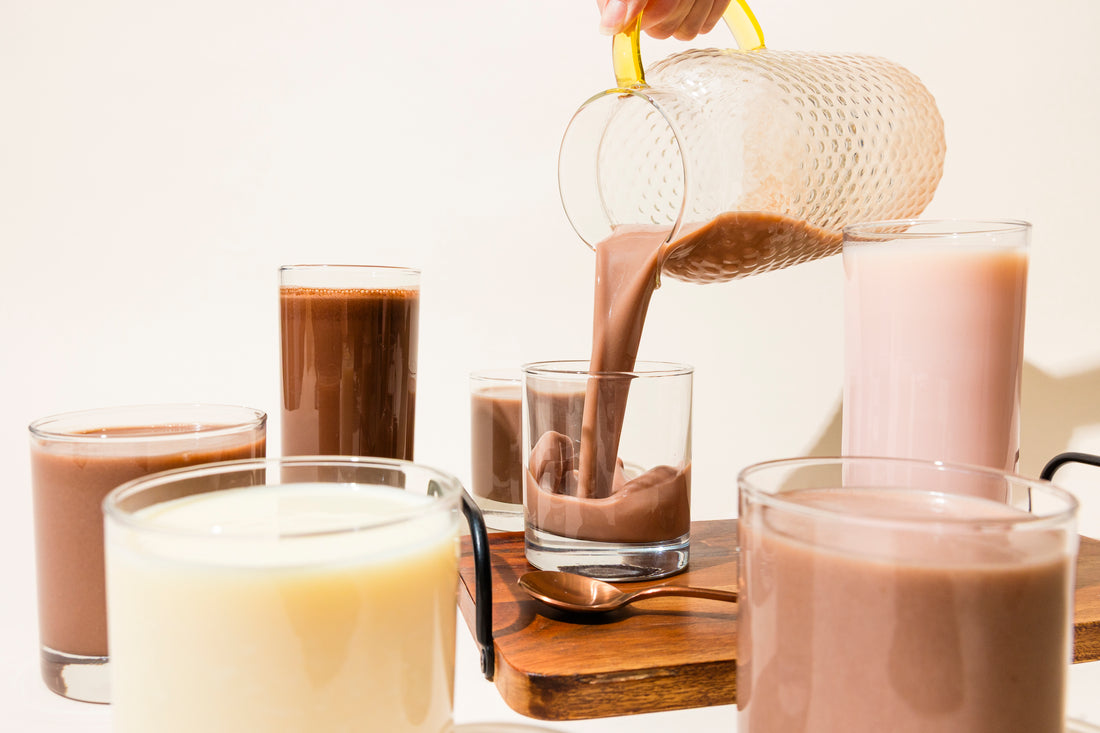
Compliance beats perfection every time. You can have the most scientifically optimized protein blend in the world, but if it tastes like cardboard, you won't drink it consistently enough to see results.
Chocolate works because it's universally familiar and versatile. Unlike trendy flavors that sound exciting in theory but get old fast, chocolate delivers consistent satisfaction shake after shake. It pairs well with almost any mix-in, works hot or cold, and doesn't clash with other ingredients in smoothies or recipes.
Why Taste Impacts Results
When protein powder tastes good, you're more likely to use it as intended, consistently and over the long term. Consistency drives results in weight management and muscle recovery. A chocolate protein powder you enjoy drinking daily will deliver better outcomes than a formulation you force down twice before abandoning. For evenings when a cold shake isn't appealing, the Protein Hot Chocolate & Cappuccino Mix offers a warm, high-protein alternative with the same 15g protein profile.
The Psychology of Familiar Flavors
Chocolate satisfies cravings without derailing your nutrition plan. When you're replacing meals or cutting calories, having something that feels indulgent makes the process more sustainable. For a dessert-style option that meets the same high-protein goal, the High Protein Pudding Mix delivers chocolatey satisfaction at 80-90 calories per serving. That psychological satisfaction matters as much as the macros.
What Separates A Great Chocolate Protein Powder From A Mediocre One
Not all chocolate protein powders are created equal. The differences come down to protein source, ingredient quality, and formulation philosophy.
Protein Source and Quality
The type of protein determines how your body processes it. Whey absorbs quickly, casein digests slowly, and plant proteins vary widely in amino acid profiles. Great chocolate protein powders use high-quality protein sources with complete amino acid profiles, not cheap fillers or amino spiking tricks.
Our Wonderslim chocolate shakes feature calcium caseinate protein in the blend, which releases amino acids more gradually than whey, supporting sustained satiety. This matters more for meal replacement and weight management than fast-absorbing options.
Actual Chocolate vs. Artificial Flavoring
Products that include cocoa powder may provide a more authentic chocolate flavor and potentially some cocoa polyphenols, whereas products that use only flavoring may not provide meaningful cocoa-derived compounds. Check the ingredient list; you should see cocoa powder or chocolate listed, not just "natural and artificial flavors."
Clean Label Ingredients
Great formulations minimize unnecessary additives. Look for options without excessive fillers, which can cause digestive discomfort in some people. The best chocolate protein powders deliver nutrition with ingredients that fit your tolerance, dietary needs, and medical guidance.
How Much Protein Per Serving Should Chocolate Protein Powder Have?
The protein content in a chocolate powder matters more than most people account for when choosing a product, because the number on the label determines whether the shake is actually doing meaningful work in your diet or just occupying calorie space with chocolate flavoring.
The Minimum That Makes a Difference
For a chocolate protein powder to meaningfully support weight loss, muscle preservation, or daily protein targets, it should deliver at least 15g of protein per serving. Below that threshold, the satiety benefit diminishes significantly, and the product begins to function more like a flavored supplement than a structured nutrition tool. The Obesity Society, the leading professional society for obesity science since 1982 and primary scientific authority on evidence-based obesity treatment, has co-published guidance with other nutrition bodies on the importance of dietary protein in supporting satiety, lean mass retention, and structured weight management, recognizing protein as a central lever in effective calorie-controlled eating plans.
Why Protein Source Matters as Much as Amount
Fifteen grams of calcium caseinate protein works differently in your body than 15g from a fast-digesting whey concentrate or a lower-quality blend. Calcium caseinate, the protein at the core of Wonderslim chocolate shake formulation, digests slowly, releasing amino acids gradually over several hours. That sustained release is what supports fullness between meals and reduces the kind of mid-morning or mid-afternoon hunger that derails a calorie-controlled routine. The National Strength and Conditioning Association, the 501(c)(3) nonprofit advancing strength and conditioning science since 1978 with 60,000+ members and five peer-reviewed publications, has published guidance indicating that higher-protein diets during caloric restriction produce greater lean muscle preservation, better fat loss, and improved body composition compared to lower-protein approaches, reinforcing why protein source and quantity in a meal replacement matters for weight management outcomes.
Best Chocolate Protein Powder For Weight Loss, Muscle Gain, And Meal Replacement
For chocolate specifically, Diet Direct's lineup covers multiple formats and flavor profiles, all built around a calcium caseinate protein blend and formulated for weight loss and structured eating.
Wonderslim Chocolate Cream
The Wonderslim Chocolate Cream Meal Replacement Shake is the most straightforward everyday chocolate option in the lineup. Classic chocolate flavor, 15g of protein featuring calcium caseinate protein in the blend, and 100 calories per serving, a reliable daily meal replacement that holds up well without becoming monotonous.
Wonderslim Dark Cocoa Cream
For those who prefer a deeper, less-sweet chocolate profile, the Dark Cocoa Cream delivers the same protein and calorie profile as the Chocolate Cream, but with a richer, more intense cocoa flavor. A practical rotation option for anyone who wants variety within the chocolate category without stepping outside it.
Wonderslim Mocha Cream
The Wonderslim Mocha Cream brings chocolate and coffee together in one serving, a natural pairing that works particularly well as a morning meal replacement for anyone who reaches for both coffee and breakfast in the same window. Same 15g of protein, featuring calcium caseinate in the blend, at 100 calories, with a flavor profile that makes the morning routine feel less like a compromise.
Wonderslim Chocolate Salted Caramel
The Chocolate Salted Caramel brings a sweet-and-salty flavor profile to the chocolate lineup, a useful addition for anyone who finds straight chocolate flavors too one-dimensional over time. Same protein content, same calorie count, different enough in flavor to keep a daily shake routine from feeling repetitive.
Wonderslim Cocomint Cream
The Cocomint Cream rounds out the chocolate-adjacent options with a mint-chocolate combination, a refreshing take on the chocolate format that works particularly well as an evening meal replacement. Still 15g of protein, featuring calcium caseinate in the blend, at 100 calories per serving.
Whey vs. Casein vs. Plant-Based: Which Chocolate Protein Powder Is Right For You?
Each protein type offers distinct advantages depending on your goals and dietary needs.
Whey Chocolate Protein Powder
Whey digests quickly, making it ideal post-workout when your muscles need amino acids fast. It has a complete amino acid profile and typically mixes smoothly. The American College of Sports Medicine, the largest sports medicine and exercise science organization in the world with 50,000+ members since 1954, publishes joint position stands on nutrition and athletic performance, including guidance on protein timing that supports the use of fast-digesting proteins like whey during the post-exercise recovery window.
Casein Chocolate Protein Powder
Casein releases amino acids more slowly than whey over several hours, making it useful in meal-replacement or weight-management products designed to support satiety. Calcium caseinate protein, like the kind we use in Wonderslim chocolate shakes, may help you feel fuller for longer and support muscle preservation during calorie restriction. It's a smart choice for sustained satiety.
Plant-Based Chocolate Protein Powder
Plant proteins work for vegetarian and dairy-sensitive customers, though true vegans will want to check labels carefully, as many "chocolate protein" formats use a blend that includes milk and soy protein rather than plant protein alone. For a portable chocolate option, the Protein & Fiber Bars in S'mores offer a high-protein, high-fiber format, but note this is a protein blend containing milk and soy protein, not a dairy-free or fully plant-based product. If a strictly plant-based formula is the priority, look specifically for products labeled as containing only pea, soy isolate, rice, or other plant-derived proteins, and check for blends combining multiple plant sources to improve essential amino acid completeness.
How To Use Chocolate Protein Powder Beyond The Basic Shake
Chocolate protein powder's versatility extends far beyond mixing it with water. For a broader look at convenient, protein-rich options, explore our range of Shakes and Meal Replacements to get started.
Baking and Cooking
Add chocolate protein powder to pancakes, muffins, brownies, or energy balls for protein-boosted treats. When you'd rather skip the baking entirely, Wonderslim's Protein Meal Replacement Bars offer a ready-made chocolate option with the same macro profile. Replace some of the flour in recipes with protein powder to increase protein content without significantly altering texture.
Our selection of Protein Bars offers another convenient way to enjoy the same great chocolate flavor with a ready-made, on-the-go option.
Coffee and Hot Beverages
Mix chocolate protein powder into your morning coffee for a mocha-style protein drink. It transforms regular coffee into a satisfying breakfast option that may help keep you full. For a fully formulated hot option, the Protein Cappuccino & Hot Chocolate drink mix delivers 15g of protein in a ready-to-dissolve hot chocolate format.
Overnight Oats and Yogurt
Stir chocolate protein powder into overnight oats or Greek yogurt for easy high-protein breakfasts. For a crunchy chocolate snack to pair with either, the Protein Wafer Snack Bars are a quick, low-calorie option. The chocolate flavor pairs naturally with berries, bananas, and nut butters.
If weight management is one of your goals, our Protein Powder for Weight Loss collection offers targeted options to support your journey alongside these everyday recipes.