

How to Increase Protein Intake
Key Takeaways: You Don't Need a Kitchen to Hit Your Protein Goals: No-cook options like meal-replacement shakes, Greek yogurt, and...
🎉 Free Shipping On Your First Subscription Order
✌🏼 Free Shipping at $79
Not all protein powders are built the same, and if you've ever bought one that left you bloated, underwhelmed, or unsure what you were actually consuming, you already know that the difference between a quality whey protein isolate and a generic blend isn't subtle. Whey protein isolate is one of the most studied and effective protein sources available, but only when it's formulated correctly, dosed honestly, and sourced from ingredients that do what the label says they will.


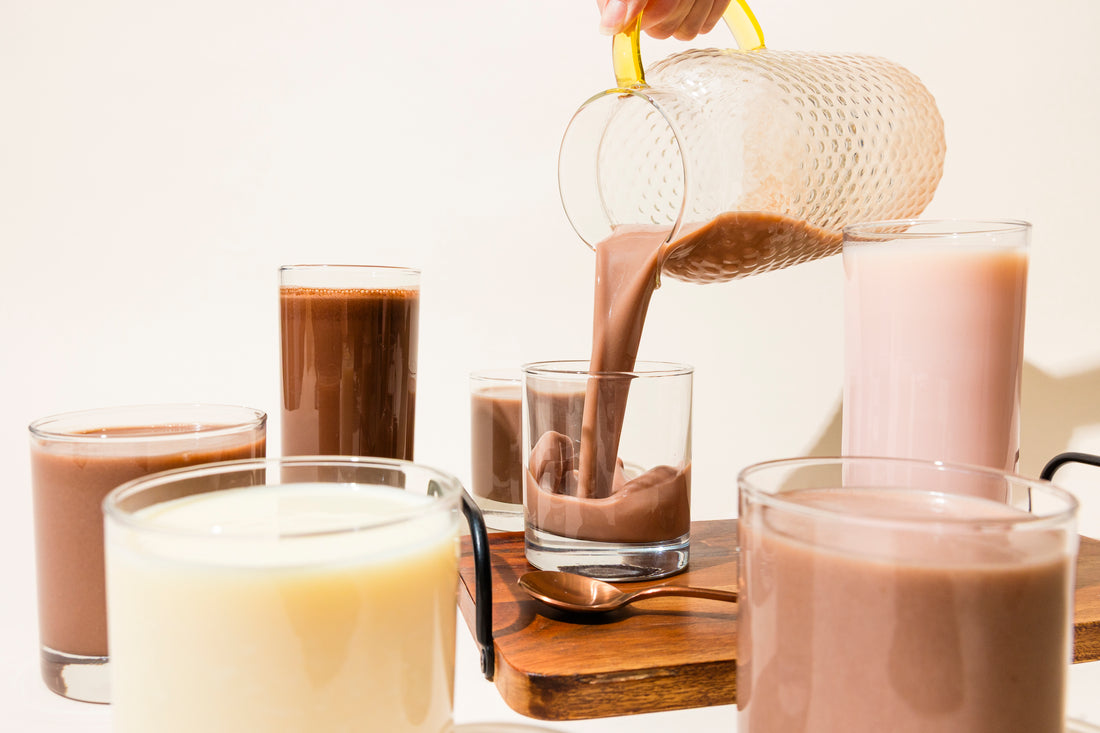
9 Flavors


Whey protein isolate powder is a refined form of whey protein that typically contains about 90% or more protein by dry weight. It's created by filtering whey, a byproduct of cheese production, to remove almost all fat, lactose, and carbohydrates.
Manufacturers use microfiltration or ion-exchange methods to separate protein from other milk components. This extra processing step yields a more protein-concentrated product with lower lactose and fat levels than whey concentrate. The Institute of Food Technologists, the international nonprofit scientific society advancing food science since 1939, with 17,000+ members across 95 countries and a dedicated Dairy Foods Division, provides the scientific community and manufacturers with research frameworks to understand how these processing methods affect protein bioavailability, nutrient retention, and product quality in dairy-derived protein supplements. However, whey isolate still contains milk proteins and is not appropriate for people with milk allergy.
Whey protein is rapidly digested and absorbed relative to casein, leading to a comparatively quick rise in circulating amino acids after ingestion. This quick absorption makes it ideal for post-workout recovery, when your body needs protein most to repair and build muscle tissue.
The high protein concentration means you get more protein per calorie, which helps preserve muscle mass during calorie restriction, especially when combined with resistance training and adequate total daily protein intake, a critical factor for anyone following a structured weight loss plan.
The main difference between whey protein isolate and concentrate lies in protein content and processing level. Whey protein concentrate varies widely in protein content, often up to about 80%, while whey protein isolate is typically about 90% or more protein by dry weight.
Whey concentrate generally contains more lactose, fat, and carbohydrate than isolate, but total calories per serving depend on the serving size and formulation. A typical concentrate scoop may contain 120-150 calories, while isolate usually provides 100-120 calories with similar protein amounts.
Isolate undergoes additional filtration that substantially reduces lactose. Whey isolate may reduce symptoms in some lactose-sensitive individuals, but it will not address all causes of digestive discomfort and is unsuitable for people with a milk protein allergy. The American Dairy Science Association, the international organization of dairy scientists and educators committed to advancing dairy science since 1906, with 4,500 members and the publisher of the Journal of Dairy Science, supports the research base that documents how dairy protein fractionation methods affect lactose content, digestibility, and nutritive value across whey protein formats.
Concentrate costs less because it requires less processing. Isolate's extra filtration steps and higher purity justify its premium price, especially for those prioritizing low-carb or weight-loss goals.
Whey protein isolate is more refined than concentrate, but not every isolate is worth buying. Here's what the label should show before you commit.
Look for a high protein-to-serving-weight ratio. If a significant portion of the scoop is made up of fillers, sweeteners, thickeners, or additives, the formula isn't as clean as it appears. The closer the protein content is to the total serving weight, the better.
The ingredient list is ordered by weight. If whey protein isolate isn't the first or second ingredient listed, you're likely looking at a blend where isolate plays a supporting role rather than the lead, a meaningful distinction for both purity and digestibility.
One of the primary advantages of isolate over concentrate is reduced lactose, a result of additional filtration. If you're lactose-sensitive, verify the product is specifically labeled as whey protein isolate rather than a whey blend.
Check the added sugars line and ingredient list before the front-of-package claims. A well-formulated isolate delivers flavor through quality ingredients, not sugar, artificial sweeteners, or chemical additives padding the serving size.
A protein powder that's been third-party tested for potency and purity gives you confidence that what's on the label is what's in the product, an external standard that goes beyond the manufacturer's own claims. NSF International, the independent certification organization that has developed public health standards since 1944 and operates ISO/IEC 17025-accredited laboratories across 110 countries, provides one of the most widely recognized third-party testing and certification programs for dietary supplements, including protein powders, verifying that what's on the label matches what's in the product.
Whey protein isolate is effective, but isolate is a format, not a finish line. What actually moves the needle is total protein quality, calorie control, and a formula you'll stay consistent with. Diet Direct's whey protein lineup delivers all three.
Most of these products use a protein blend that includes whey alongside complementary proteins like calcium caseinate, combining fast-digesting amino acid absorption with sustained amino acid release. That combination supports both immediate muscle recovery and longer satiety between meals, making a blended formula a more complete option for weight loss than a standalone isolate powder typically provides.
Across the collection, you'll find options starting at 100 calories or less per serving, that fit a variety of dietary preferences — delivering a high protein-to-calorie ratio in formats built to fit different routines, whether that's a shake, a bar, or another portable format for days when mixing a powder isn't practical.
With a range of flavors and formats to choose from, you can sample across the lineup to find what fits your taste and routine best.
Whey protein isolate works best when integrated thoughtfully into your daily nutrition routine, not used as a meal replacement.
Consuming high-quality protein after strength training can support muscle repair and adaptation, but total daily protein intake and even distribution across meals are more important than hitting an exact 30-minute window. For an evening high-protein option that doesn't require preparation, several whey-based options are ready to grab straight from the pantry, with no mixing or cooking needed, so getting protein in before bed is one less thing to plan around
If your meal schedule makes it difficult to hit protein targets, whey isolate provides a convenient solution. For those using whey isolate specifically as part of a calorie-controlled plan, pairing it with the right Protein Powder for Weight Loss options can help close nutritional gaps without pushing you over your daily targets.
While whey isolate excels at delivering pure protein, it lacks the vitamins, minerals, and balanced nutrients found in complete meal replacements. For sustained energy and fullness throughout the day, combine isolate supplementation with nutrient-dense whole foods, or explore formulated Shakes and Meal Replacements that deliver complete, balanced nutrition in a single serving.
Several groups find particular value in choosing whey isolate over other protein sources.
People engaging in regular strength training need quick-absorbing protein to support muscle recovery and growth. Whey isolate's rapid digestion makes it ideal for post-workout nutrition.
If you experience digestive discomfort with dairy but want a milk-based protein, whey isolate's lower lactose content may be better tolerated, though it still contains milk proteins and tolerance varies by product and by person. If you're looking for a solid-food protein option, check ingredient labels carefully, as protein bars often contain dairy-derived ingredients (whey, milk protein, casein) even when marketed as a snack rather than a shake.
When every calorie counts toward your daily target, whey isolate's high protein density and minimal carbs and fat help you meet your protein needs without exceeding your calorie limits. For a between-meal snack within the same calorie range, Protein Wafer Snack Bars provide 15g of protein in a crispy, low-sugar format for 200 calories.
With low carbs per serving, low-carb whey protein isolate fits easily into ketogenic and reduced-carbohydrate eating plans that require strict macro tracking.
Diet Direct's whey protein lineup is built around the same priorities that make whey protein isolate worth seeking out in the first place: clean protein sources, controlled calories, and a formula that supports real weight loss and muscle preservation goals.
Browse the full collection and filter by dietary preference, gluten-free, low-carb, diabetic-friendly, bariatric-friendly, kosher, and GLP-1-friendly options are available within the Wonderslim range.
Most products in the collection use a protein blend that includes whey, so check individual product labels if you're looking for whey as the primary or sole protein source versus a supporting ingredient. Filtering by your dietary needs first, then comparing protein sources within those results, is the fastest way to land on the right fit.
Yes, whey protein isolate is typically much lower in lactose and contains less fat than concentrate, though exact levels vary by product.
The additional filtration and processing required to achieve protein purity of 90% or more increase production costs, resulting in higher retail prices.
Yes, when used as part of a calorie-controlled diet, whey isolate helps preserve muscle mass while keeping protein intake high and total calories low, especially when combined with resistance training.
Pure whey isolate features minimal ingredients, contains at least 90% protein per serving, and ideally offers third-party testing or certification to verify label accuracy.
Match protein content to your needs, verify low-carb and fat content for weight loss, and look for third-party testing or accessible certificates of analysis when available.
Whey is generally faster digesting than casein, while casein produces a more sustained amino acid response. Plant proteins vary in digestibility and essential amino acid composition depending on the source.
Mon-Fri, 9am-5pm EST.
2900 N Roosevelt Blvd
Suite 1107 #328
Key West, FL 33040
Stay up-to-date with the latest deals, new arrivals, and more from Diet Direct.
By subscribing you agree to the Terms of Use & Privacy Policy.
Your cart is currently empty.
Not sure where to start? Try these best sellers:
| Description |
| Price |
| Vendor |
| Type |
| Product variants |