

Why Use Meal Replacements?
Why Use Meal Replacements?Meal replacements are convenient, inexpensive meals that aid in weight loss or management. High in protein, low...
🎉 Free Shipping On Your First Subscription Order
✌🏼 Free Shipping at $79
Picking a meal-replacement powder should be straightforward, but between competing claims, the crowded supplement market, and the sheer number of options promising the same results, it rarely is.


9 Flavors


A meal replacement powder is a nutritionally formulated product that replaces a traditional meal while delivering balanced macronutrients, protein, carbohydrates, and fats, along with essential vitamins and minerals. Unlike standard protein powders, which primarily support muscle recovery, meal-replacement protein powders are designed to serve as a more complete meal option, delivering balanced macronutrients alongside essential vitamins and minerals.
When you consume a quality meal replacement powder as part of an overall calorie-controlled plan, you're providing your body with key nutrients while managing portion sizes and total energy intake. A systematic review of meal replacement weight loss evidence covering 23 RCTs and nearly 8,000 participants confirms that partial meal replacement strategies produce significantly greater weight loss at one year than conventional reduced-calorie dieting, primarily through improved adherence and portion control.
The protein component, especially slow-digesting proteins like calcium caseinate, releases amino acids gradually over several hours, which may help reduce hunger between meals and support maintenance of lean body mass during weight loss.
Protein powders are supplements meant to boost protein intake, often post-workout. A meal-replacement shake powder, on the other hand, is formulated with a broader nutrient profile, including carbohydrates, fats, fiber, vitamins, and minerals. It's designed to serve as a more complete meal option rather than simply supplementing your existing diet.
Not all meal replacement powders deliver the same results. Choosing the right one requires understanding what actually matters for your body and your goals.
The type of protein can influence satiety and amino acid availability. Look for meal replacement powders featuring calcium caseinate protein in the blend, a slow-digesting dairy protein that releases amino acids over several hours. This sustained release may help keep you satisfied longer and support muscle preservation during weight loss when combined with adequate total protein intake and resistance exercise. Aim for at least 15g of protein per serving.
A well-formulated meal replacement should provide more than just protein. Check for a range of essential vitamins and minerals to help avoid nutritional gaps when replacing meals. Balanced macronutrients, including moderate carbohydrates and appropriate amounts of fat, help maintain energy levels throughout the day.
For weight loss, select a calorie level that fits your total daily calorie target. Many meal replacement products studied in clinical trials range from approximately 160–250 calories per meal, though lower-calorie options may also be used depending on your overall diet structure.
In the European Union, products making the regulated "meal replacement for weight control" claim must fall within 200–250 kcal per meal when used with specific health claims. Choose a calorie range that allows you to create an appropriate deficit while still meeting your overall nutritional needs.
Your meal replacement powder should work with your lifestyle, not against it. If you follow a low-carb or ketogenic diet, choose options with carbohydrate content that fits your daily carb limit. If you're gluten-sensitive, verify the product is certified gluten-free. Products designed for diabetic-friendly eating plans typically feature lower glycemic carbohydrates and balanced macros to support more stable blood sugar.
Look for powders that use recognizable protein sources, appropriate sweeteners, and minimal unnecessary additives. Quality formulations prioritize functional ingredients over excessive fillers.
For weight loss specifically, the most effective meal replacement powder is one that controls calories without leaving you hungry, and delivers enough protein to support muscle preservation while the scale moves in the right direction. A 90-day meal replacement efficacy trial found that participants using meal replacements achieved an 8.87% weight reduction, exceeding the 5-10% clinical benchmark for effective weight loss.
Wonderslim by Diet Direct's meal replacement shake lineup is built around exactly that. Each serving comes in at 100 calories or less, with 15g of protein featuring calcium caseinate protein in the blend, a slow-digesting dairy protein that provides sustained amino acid release to help curb cravings and support satiety between meals. Every option is gluten-free, low-carb, and diabetic-friendly, making them accessible across a wide range of structured eating plans.
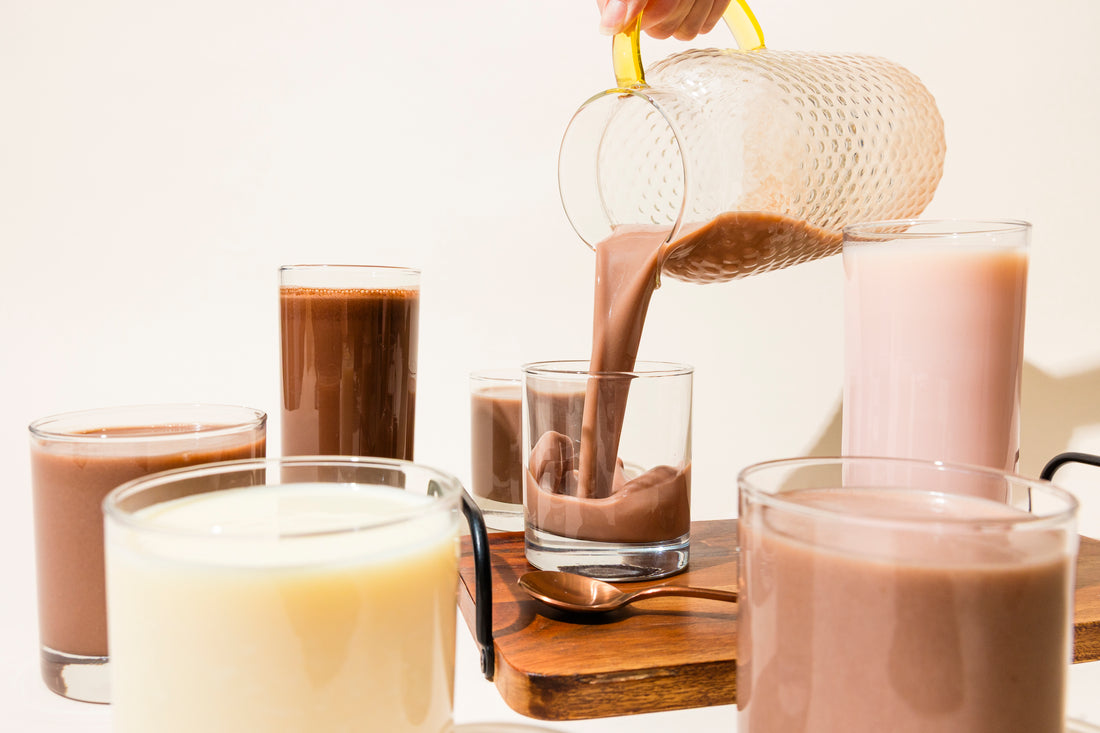
The most practical starting points are Chocolate Cream, Vanilla Cream, and Mocha Cream, three reliable everyday flavors, alongside Dark Cocoa Cream and Strawberry Cream for additional variety. For something lighter, the Fruit Smoothie Meal Replacement in Berry Yogurt delivers the same nutritional profile in a refreshing smoothie format. The Variety Pack lets you sample across flavors before committing.
The right meal-replacement powder isn't just about calories and protein; it also needs to fit your specific dietary framework. Wonderslim by Diet Direct's shake lineup covers a broad range of needs without requiring you to shop across multiple brands or compromise on nutritional quality.
Every shake in the Wonderslim meal replacement lineup is gluten-free, making the full range accessible without any label-by-label checking.
With 6–10g of net carbs per serving and no excess sugar, the full lineup is suitable for women managing blood sugar or following a structured low-carb eating plan.
The complete Wonderslim shake lineup is vegetarian-friendly, delivering 15g of protein per serving, featuring calcium caseinate protein in the blend, and no meat-derived ingredients.
Low in fat and sugar, and formulated to be well absorbed post-surgery, the Wonderslim lineup is listed as bariatric-appropriate across flavors.
Having the right meal replacement powder is only half the equation. Using it correctly determines whether you'll see sustained results or hit a frustrating plateau.
Choose which meals to replace based on your schedule and habits. A controlled trial comparing meal replacement vs. food-based diet found that replacing meals with portion-controlled products produced twice the weight loss at 16 weeks, with 93% of participants achieving clinically significant weight loss, compared with 55% on the food-based plan. Research on partial meal replacement strategies typically involves replacing one or two meals per day with portion-controlled products while continuing to consume regular meals at other times.
Many people find success replacing breakfast or lunch, meals they might otherwise skip or rush through. Replacing dinner can work too, but avoid using meal replacements for every meal, every day, as this approach can lead to monotony and reduced long-term adherence.
While meal replacement powders can help control calories, your total daily intake still matters. Very aggressive calorie restriction can increase metabolic adaptation, hunger, and lean-mass loss and may be difficult to sustain long-term.
Appropriate calorie targets should be individualized, and very-low-calorie diets should be undertaken only with medical supervision. Use meal replacements as part of a balanced plan that creates a moderate deficit while meeting minimum nutritional needs.
Meal replacement powders work best when combined with nutrient-dense whole foods at other meals. Our Protein Snacks For Weight Loss are a practical complement for filling those gaps without disrupting your calorie targets. Include vegetables, fruits, lean proteins, and healthy fats in your non-replacement meals to ensure dietary variety and comprehensive nutrition. This balance supports satisfaction and prevents the monotony that can reduce long-term adherence.
Protein-rich meal replacement powders benefit from adequate hydration for optimal digestion and satiety. Drink plenty of water throughout the day, aim for at least 64 ounces, to support protein metabolism and help your body process nutrients efficiently.
Even the best meal replacement powder can become tiresome if you prepare it the same way every day. Rotating in some Healthy Snacks For Weight Loss alongside your shakes adds variety to your overall plan without disrupting your progress. The Wonderslim Meal Bar in Cinnamon is a solid option when you want the same structured nutrition in a portable, bar format. Experiment with different flavors, blend with ice for a thicker texture, or add low-calorie mix-ins like cinnamon or vanilla extract. Small variations keep the routine interesting without significantly altering calorie or nutrient content.
Even people who start strong with meal replacement powders sometimes hit frustrating plateaus. Understanding why this happens helps you adjust before giving up entirely.
When you maintain the same calorie deficit for an extended period, metabolic adaptation can occur, and weight loss may slow as your body adjusts to reduced energy availability. If you've been using meal replacement powders at the same calorie level for several weeks without progress, consider cycling your intake: eat at maintenance calories for a few days, then return to your target deficit. This may reduce some adaptive responses.
While your meal-replacement powder provides protein, you should also consider your total daily protein intake. Supplementing with High-Protein Snacks between meals is one of the most practical ways to close that gap. Research suggests that higher protein intakes during energy restriction, often in the range of 1.2-1.6 g/kg body weight per day or higher, may better preserve lean mass than lower intakes. Calculate your total daily protein intake from all sources, and adjust your whole-food meals accordingly if you're falling short.
Using meal replacement powders for every meal might seem efficient, but it often backfires. Your body benefits from dietary variety for optimal function, and excessive reliance on any single food type can lead to reduced satisfaction and eventual burnout.
If you're diligent about your meal replacement but casual about your other meals, you might be consuming more calories than you realize. Track everything you eat for a week to identify hidden calories that could be offsetting your intended deficit.
Sleep quality, stress levels, and physical activity all impact weight management outcomes. If you're sleeping poorly, chronically stressed, or completely sedentary, even the best nutritional strategy may not overcome these obstacles. Address lifestyle factors alongside your nutrition plan for better results.
Ready to get started?
Start with the Variety Pack. If you're new to meal replacement shakes or unsure which flavors will work for your routine, the Wonderslim Variety Pack is the lowest-risk entry point. Sample across flavors before committing to a full box.
Pick a flavor you'll actually look forward to. Consistency is what makes a meal replacement plan work. A shake you genuinely enjoy is one you'll reach for every day instead of working around.
Use it as a replacement, not an addition. Swap one meal per day, typically the one where you're most likely to overeat or make a less intentional choice, and keep the rest of your eating structured around that decision.
Check your dietary needs first. Whether you're gluten-free, low-carb, vegetarian, kosher, or bariatric, the full Wonderslim meal replacement lineup is formulated to accommodate a wide range of needs, no workarounds required. Browse the full range at Diet Direct and choose the option that fits both your goals and your lifestyle.
Meal replacement powders are formulated to provide complete nutrition, protein, carbohydrates, fats, vitamins, and minerals, and are designed to substitute for an entire meal. Protein powders primarily deliver protein to supplement an existing diet, typically for recovery, without the balanced macronutrients needed to function as a full meal replacement.
Yes. Look for options formulated with lower carbohydrate content that fit within your daily carb limit. Diet Direct carries low-carb meal-replacement shakes that provide complete nutrition for a low-carb diet.
Yes. Gluten-free meal replacement shakes can deliver the same nutritional completeness as standard formulations and are equally effective for supporting weight management while accommodating gluten sensitivity or celiac disease.
Check the protein type and amount. Meal replacement powders featuring calcium caseinate protein in the blend provide sustained amino acid release over several hours, which supports fullness longer than fast-digesting proteins. Look for at least 15g of protein per serving for meaningful satiety support.
Yes, when they contain adequate high-quality protein and are used alongside a structured eating plan. Higher protein intake during calorie restriction is associated with better preservation of lean muscle mass. Meal replacement powders featuring calcium caseinate protein in the blend support this by providing a steady supply of amino acids, aiming for at least 15g of protein per serving.
Meal replacement powders are nutritionally complete products designed to substitute entire meals with balanced macronutrients, vitamins, and minerals. Diet supplements, such as fat burners or metabolism boosters, are designed to be added to your existing diet, not to replace meals. One provides complete nutrition in a controlled format; the other targets specific compounds within a regular eating pattern.
Mon-Fri, 9am-5pm EST.
2900 N Roosevelt Blvd
Suite 1107 #328
Key West, FL 33040
Stay up-to-date with the latest deals, new arrivals, and more from Diet Direct.
By subscribing you agree to the Terms of Use & Privacy Policy.
Your cart is currently empty.
Not sure where to start? Try these best sellers:
| Description |
| Price |
| Vendor |
| Type |
| Product variants |