Snacking is often blamed for slowing weight loss. A handful here, a bite there, and suddenly the day's calories start creeping up. The challenge isn't snacking itself; it's choosing options that satisfy hunger without undoing the progress you're working toward. Low-calorie snacks for weight loss can actually support your goals when they're designed to keep you full and help you stay consistent between meals.
At Diet Direct, we understand that weight loss is a personal journey with real challenges. That's why we've built our approach around practical nutrition that works in real life, not just in theory. Whether you're following a structured diet plan, managing a busy schedule, or simply looking for better options than the vending machine, the right low-calorie snacks for weight loss can make all the difference.
In this piece, we'll walk through practical low-calorie snacks for weight loss, explain what makes a snack effective, and share convenient options that help you stay satisfied while working toward your goals.
Low-Calorie Snacks For Weight Loss: Why They Matter
Rather than seeing snacks as a setback, it's helpful to view them as tools that support consistency. The right snacks can keep you satisfied, prevent impulsive eating, and help you stay aligned with your nutrition goals.
They Help Manage Hunger Between Meals
Strategic snacking can help some people avoid extreme hunger and overeating later in the day. The best low-calorie snacks that fill you up help maintain more consistent energy levels between meals when chosen carefully.
They Prevent Decision Fatigue
When hunger strikes without a plan, you're far more likely to grab whatever's convenient. Having designated low-calorie snacks removes the guesswork and eliminates the internal debate that often leads to poor choices.
They Support Adherence
Overly restrictive diets that eliminate snacking entirely can be difficult to maintain. Including satisfying, healthy snacks for weight loss makes your eating plan more sustainable over the long term, and sustainability is what separates temporary results from lasting change.
What Makes A Snack Effective For Weight Loss
Not all snacks support weight-loss goals. Some options may seem small or convenient but deliver little nutritional value while adding unnecessary calories. An effective snack for weight loss should do more than simply fill a gap between meals, it should help manage hunger, support energy levels, and fit within your overall calorie plan.
High Protein Content
Protein snacks for weight loss stimulate the release of satiety hormones like GLP-1 and PYY, slow digestion, and help preserve lean muscle when combined with adequate total daily protein intake and resistance training. A common target for effective low-calorie snacks for weight loss is at least 10-15 grams of protein per serving to increase satiety (Obesity, 2013).
Appropriate Calorie Range
Weight-loss snacks typically fall between 100 and 200 calories, a practical range used in many calorie-controlled diet programs. This range provides enough substance to satisfy hunger without significantly impacting your daily calorie budget or meal planning.
Minimal Added Sugars
Excessive added sugar can trigger rapid blood glucose spikes followed by crashes that may intensify cravings. The Dietary Guidelines for Americans recommend limiting added sugars to less than 10% of total daily calories (FDA, 2024).
As a practical shopping tip, looking for snacks with under 5 grams of added sugar per serving can help you stay within these daily limits while relying on protein and fiber for lasting energy.
Portion Control Built In
Individual packaging or pre-measured servings removes the temptation to overeat. When low-calorie snacks for weight loss come pre-portioned, you can enjoy them confidently without derailing your progress.
Low-Calorie Snacks For Weight Loss That Keep You Full
Finding snacks that truly satisfy requires understanding what creates lasting fullness. At Diet Direct, we focus on options that combine protein, smart nutrition, and real-world convenience, because hunger management is essential to weight loss success.
Protein Bars With Sustained Release
We offer protein bars formulated specifically for weight loss, featuring 10-15 grams of protein per serving. Unlike standard candy bars disguised as health foods, these bars use quality protein sources that provide steady energy without sugar crashes. The Wonderslim Protein Meal Replacement Bar in Cinnamon is perfect for afternoon slumps, post-workout recovery, or those moments when you need something substantial without the bulk of a full meal.
Protein Chips And Crunchy Alternatives
Cravings for crunchy, salty snacks are real, and ignoring them often backfires. Our Wonderslim Protein Crunchers in Cheddar and Honey Mustard deliver 10 grams of protein per serving with significantly fewer calories than traditional chips. For a plant-based option, the Wonderslim Pea Protein Chips in Salt & Vinegar pack 12 grams of pea protein into just 170 calories per bag — all the tangy crunch without the saturated fat, sugar, or cholesterol. Options like Wonderslim Protein Pretzels satisfy that textural craving while keeping you within your calorie targets, making them ideal low-calorie snacks for weight loss when you need something crispy and savory.
Meal Replacement Shakes As Liquid Snacks
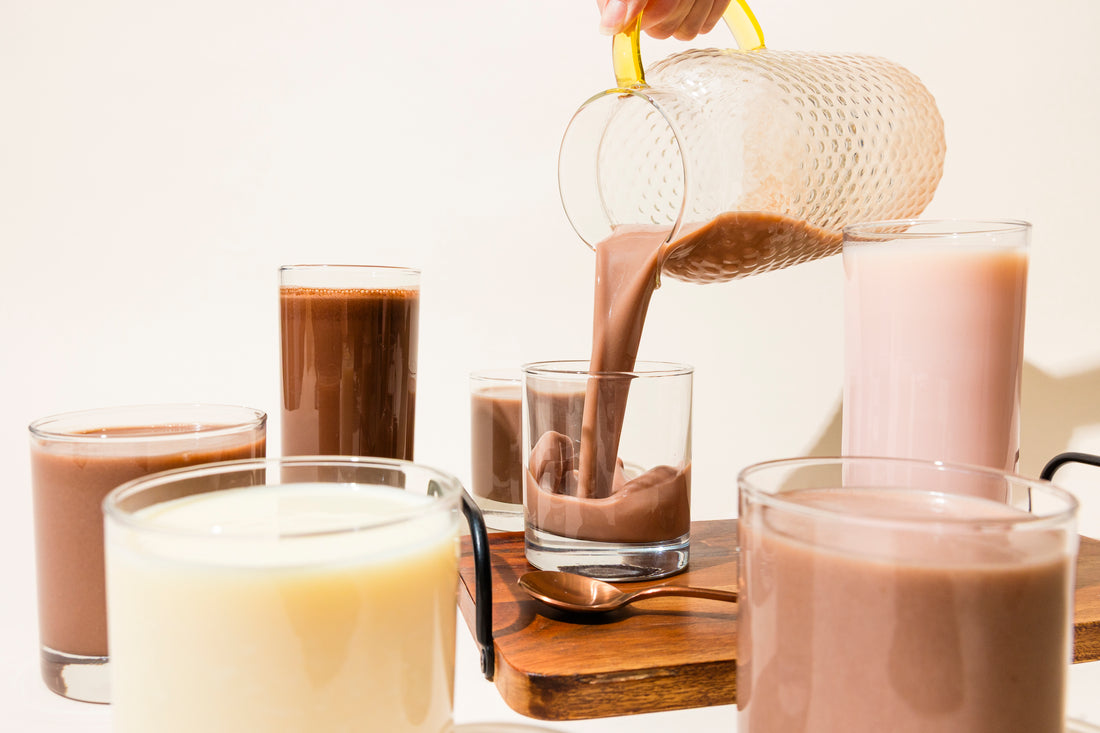
Diet Direct meal replacement shakes like the Wonderslim Meal Smoothie in Chocolate Cream can double as substantial snacks when you need more than a protein bar but less than a full meal. These shakes feature Calcium Caseinate Protein, a form of casein that is digested more slowly than whey protein and can support a more prolonged rise in circulating amino acids (Nutrients, 2020).
This slower digestion may help increase satiety and help you meet your protein targets. The Wonderslim Meal Shake in Chocolate Cream, for example, contains 15 grams of protein and, like all our shakes, is gluten-free and low-carb.
High-Protein Puddings And Sweet Treats
Sweet cravings don't have to spell disaster for your diet. Options like the Wonderslim High Protein Cake Mix, Creamy Cheesecake deliver real indulgence-style flavor while keeping calories in check. Our Wonderslim Protein Pudding in Dark Chocolate delivers genuine satisfaction with 12 grams of protein and typically 90 calories or less per serving. These options prove that effective low-calorie snacks for weight loss, sweet enough to satisfy dessert cravings, can still be formulated with your goals in mind.
How To Use Low-Calorie Snacks To Stop Overeating At Meals
Many people assume skipping snacks will help reduce calories, but it often has the opposite effect. When you go too long without eating, hunger builds up, making it harder to control portions at your next meal. Low-calorie snacks can help prevent this cycle by keeping hunger manageable throughout the day.
Using snacks strategically can help you stay consistent with your weight-loss goals while avoiding the urge to overeat later.
Time Them Strategically
Place snacks 2-3 hours after meals and 1-2 hours before your next meal. If evenings are your vulnerable window, low-calorie snacks for weight loss at night work best when timed 1-2 hours after dinner rather than right before bed. This timing can help prevent excessive hunger from building while ensuring snacks don't interfere with your appetite for balanced meals.
Use Them As Meal Insurance
If you know dinner will be delayed, having a low-calorie snack around 4-5 PM can help you avoid arriving at dinner ravenous. Extreme hunger leads to faster eating, larger portions, and poorer food choices, all of which undermine weight loss.
Pair With Hydration
Sometimes thirst masquerades as hunger. Drinking 8-16 ounces of water with your low-calorie snacks for weight loss enhances satiety and helps your body recognize true fullness signals more accurately.
Track Your Patterns
Notice when you're most vulnerable to overeating at meals. If lunch consistently becomes excessive, you may need a mid-morning snack. If dinner spirals out of control, an afternoon snack might be your solution. Low-calorie snacks for weight loss work best when they're used preventively, not reactively.
How To Choose The Right Low-Calorie Snacks For Weight Loss
Not all low-calorie snacks support weight-loss goals equally. Some options may be low in calories but offer little nutritional value, leaving you hungry again soon after eating. The right snack should help control hunger, support energy levels, and fit comfortably within your daily calorie plan.
Choosing snacks thoughtfully can help you stay consistent with healthy habits and avoid unnecessary calorie intake.
Prioritize Protein And Fiber
Protein and fiber are two nutrients that help snacks feel more satisfying. Protein slows digestion and helps maintain muscle during weight loss, while fiber supports fullness and digestive health.
When choosing snacks, look for high-protein snacks that include a meaningful amount of protein or fiber rather than snacks made mostly of refined carbohydrates or added sugars.
Read Beyond The Front Label
Marketing claims like "natural" or "guilt-free" mean nothing. Flip to the nutrition facts panel and ingredient list. Look for snacks with protein listed among the first three ingredients and minimal added sugars. The best low-calorie snacks for weight loss prioritize nutrition over marketing buzzwords.
Calculate The Protein-To-Calorie Ratio
Divide grams of protein by total calories, then multiply by 100. This simple math helps you identify which low-calorie, high-protein snacks for weight loss deliver the most satiety per calorie, a critical factor for effective weight-loss snacking.
Consider Your Personal Triggers
If crunchy foods lead to mindless overeating, protein bars might serve you better than chips, even protein chips. Choose low-calorie snacks for weight loss based on your behavioral patterns, not just nutritional profiles. Self-awareness is as important as ingredient lists.
Prioritize Satisfaction Over Perfection
A 180-calorie protein bar that keeps you satisfied is more effective than a 90-calorie rice cake that leaves you rummaging through the pantry an hour later. Effective low-calorie snacks for weight loss prevent additional eating, not just minimize current calories.
Choose Snacks That Fit Your Routine
Convenience plays a major role in long-term success. Snacks that are easy to carry, quick to prepare, or ready to eat are more likely to be used consistently.
Selecting snacks that fit into your daily routine, whether at work, at home, or on the go, makes it easier to maintain healthy eating habits while working toward your weight-loss goals.
Shop Low-Calorie Snacks For Weight Loss At Diet Direct
We've built our reputation on making weight loss more accessible and sustainable for real people with real lives. Our healthy low-calorie snacks for weight loss reflect that commitment, each product selected for its ability to support your goals without requiring perfection or deprivation.
Quality Standards You Can Trust
Every snack we carry meets our nutritional criteria for protein content, calorie appropriateness, and ingredient quality. We don't stock products just because they claim to be "diet-friendly"—we verify that they actually support weight loss efforts through proper macronutrient balance and portion control.
Convenient Shopping Experience
Browse by dietary need, protein content, or calorie range. Filter for gluten-free, low-carb, or specific diet programs. Our website makes finding the right low-calorie snacks for weight loss straightforward, so you spend less time researching and more time succeeding.
Satisfaction Guaranteed
Not satisfied? Return any product within 30 days for a full refund — no hassle, no questions asked. We stand behind everything we sell because our commitment is to your journey, not just the sale.