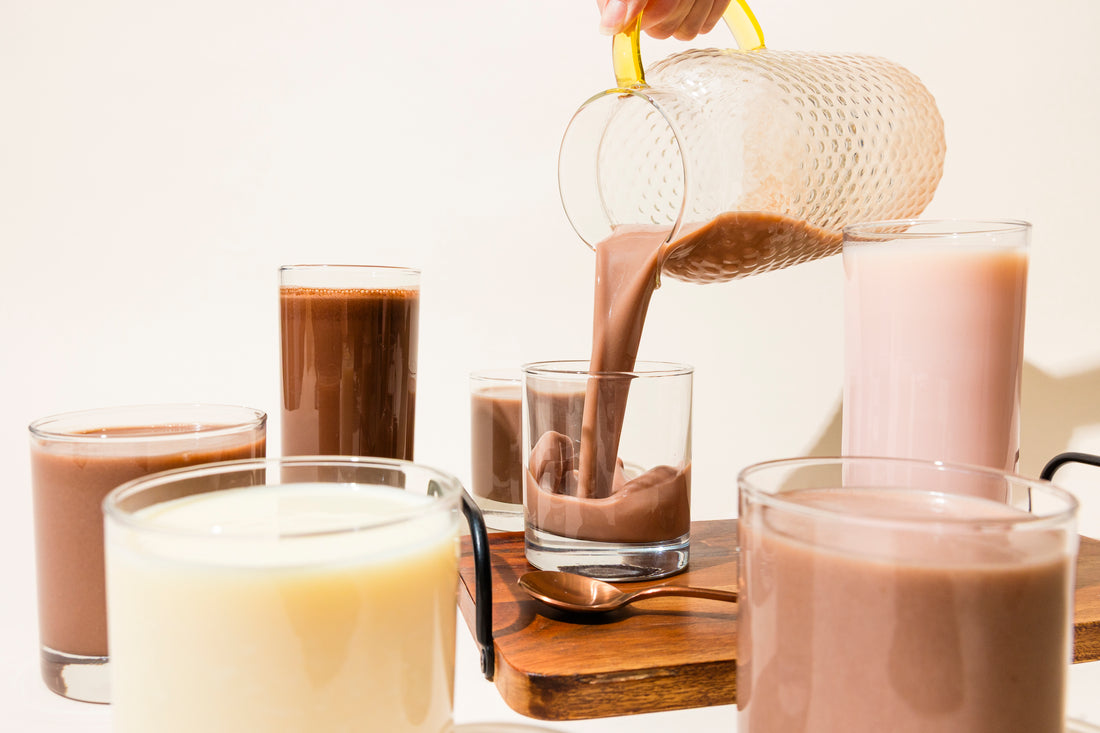
Appetite suppressant foods are whole foods that can promote satiety and help stabilize blood sugar. They're rich in protein, fiber, healthy fats, and water, nutrients that slow digestion, keep you fuller longer, and prevent energy crashes that trigger cravings. Unlike pills or supplements, these foods provide essential vitamins, minerals, and macronutrients your body needs to function at its best.
Why Hunger Derails Most Diets And How Appetite Suppressant Foods Fix That
Hunger and increased appetite are major barriers to dietary adherence and weight-loss maintenance. Most restrictive diets cut calories without addressing satiety, leaving you feeling deprived and more likely to overeat later.
Appetite-suppressant foods do this by working with your body's natural hunger cues. Protein can increase hormones like GLP-1 and peptide YY that signal fullness to your brain. The American Gastroenterological Association, the trusted voice of the GI community with 16,000+ members worldwide since 1897, publishes clinical practice guidelines on obesity and GLP-1 pharmacology that document GLP-1's role as a gut hormone produced by intestinal L-cells in response to food intake, reducing hunger by slowing gastric emptying, stimulating insulin secretion, and inhibiting food intake through both peripheral and central nervous system pathways.
Soluble fibers slow stomach emptying, keeping you satisfied between meals. Healthy fats provide sustained energy without directly raising blood glucose. Water-dense foods add volume to your plate, so you can eat more without consuming extra calories.
When hunger is under control, sticking to your goals becomes easier. You're not white-knuckling your way through the day; you're eating foods that naturally support portion control and reduce the mental battle around food.
The Best Appetite Suppressant Foods For Weight Loss And Portion Control
Not all appetite suppressant foods are created equal. The most effective options combine multiple satiety-boosting nutrients in one package.
Eggs
High in protein and healthy fats, eggs can increase satiety and reduce subsequent energy intake, especially when consumed at breakfast compared with lower-protein, refined-carbohydrate breakfasts.
Greek Yogurt
Packed with protein and often containing live active cultures, plain Greek yogurt promotes satiety and may support gut health when probiotics are present. Choose plain, unsweetened varieties to avoid added sugars.
Oats
Rich in beta-glucan, a soluble fiber, oats slow digestion and improve postprandial glycemic response. They're filling, budget-friendly, and versatile. The American College of Gastroenterology, the preeminent gastroenterology organization with 21,000+ members from 86 countries since 1932, recommends soluble fiber in its evidence-based clinical guidelines, recognizing that poorly fermentable, viscous soluble fibers like beta-glucan slow gut motility and improve stool viscosity, with the secondary effect of extending the time food spends in the digestive tract and prolonging the satiety window between meals.
Avocados
Loaded with healthy fats and fiber, avocados may increase post-meal satiety and provide heart-healthy unsaturated fats.
Apples
High in water and pectin (a type of soluble fiber), apples add volume to meals and reduce hunger without adding many calories.
Almonds
A handful of almonds provides protein, healthy fats, and fiber, making them an ideal snack for controlling cravings between meals.
Appetite Suppressant Foods vs. Supplements: When Food Alone Isn't Enough
Whole foods are the foundation of effective appetite control, but they don't always cover every gap. Here's how to think about when food is sufficient and when a structured supplement makes sense.
When Food Works Best
For most people with a consistent routine and reliable access to meals, high-protein whole foods are the most sustainable tools for controlling appetite. When meals are well-structured and protein targets are being hit through food, appetite management largely takes care of itself.
When Food Alone Falls Short
Three situations consistently push whole-food appetite control past its limits: a suppressed appetite that makes eating a full meal difficult, a packed schedule that leaves no time for meal prep, and a calorie deficit so strict that food volume is meaningfully restricted. In all three, the challenge isn't willpower; it's logistics.
Where Structured Protein Products Fit In
A well-formulated protein product isn't a replacement for a whole-food diet; it's a tool for moments when whole foods aren't practical. Wonderslim by Diet Direct Protein Meal Replacement Shakes, 15g of protein, featuring calcium caseinate, at 100 calories or less; replace a meal when whole-food options aren't available. The Protein & Fiber Bars fill the gap between meals, combining protein and fiber to address hunger from two directions at once. For a more substantial bar option, the Protein Meal Replacement Bars deliver a full-meal's worth of protein in a portable, grab-and-go format.
The Practical Framework
Use whole foods as the foundation and Diet Direct products as the backup. High-protein whole foods at main meals, with structured protein options filling the gaps, gives you consistent appetite control without relying entirely on either approach.
How To Build Meals Around Appetite Suppressant Foods For Maximum Results
Building meals around appetite suppressant foods doesn't require complicated recipes or expensive ingredients. It's about structure: combining protein, fiber, and healthy fats at every meal to naturally control hunger. The American College of Lifestyle Medicine, the medical specialty society that unites healthcare professionals through lifestyle medicine education and certification, has issued a dietary position statement recommending exactly this kind of whole-food, minimally processed eating structure, centered on vegetables, fruits, whole grains, legumes, nuts, and seeds, as the optimal dietary pattern for treating and preventing chronic diseases, including obesity.
Start with Protein
Make protein the foundation of every meal. Whether it's eggs at breakfast, chicken at lunch, or salmon at dinner, prioritizing protein keeps you fuller longer and supports muscle maintenance.
Add Fiber-Rich Vegetables
Fill half your plate with non-starchy vegetables like broccoli, spinach, or bell peppers. They add volume, fiber, and nutrients while providing few calories
Include Healthy Fats
Add a small portion of healthy fats, like avocado, olive oil, or nuts, to slow digestion and increase satisfaction.
Choose Whole Grains Sparingly
If you include grains, choose fiber-rich options like oats, quinoa, or brown rice in controlled portions. For an evening appetite-control option that satisfies a sweet craving without adding significant calories, the High-Protein Pudding Mix delivers 12g of protein at 80-90 calories per serving.
Shop Appetite-Suppressing Nutrition Products At Diet Direct
At Diet Direct, we've built our business around helping customers like you lose weight and build healthier lifestyles through high-protein foods, portion-controlled nutrition, and structured diet solutions. Our meal replacement shakes, snacks, and meals are designed using the same principles as appetite-suppressant foods: real nutrition that keeps you satisfied and supports sustainable weight loss.
Meal Replacement Shakes
Our Shakes and Meal Replacements feature a protein blend that includes calcium caseinate, which promotes a more gradual release of amino acids. With only 100 calories and 24 essential vitamins and minerals, they're a portion-controlled meal replacement in every sip. The Mocha Cream and Vanilla Cream are the most consistent daily options in the lineup.
High-Protein Snacks
From protein bars to savory crisps, our Snacks and Desserts help you manage cravings between meals without derailing your progress. The High-Protein Pudding Mix is a creamy, diet-friendly dessert with 12g of protein and just 80 calories per serving, making it a satisfying way to curb sweet cravings.
Portion-Controlled Meals
We offer a full range of breakfasts, lunches, dinners, and desserts designed to fit your macros and keep you on track.
When you shop with us, you're not just getting great products; you're getting real support, fast shipping, and a team that's here to answer your questions every step of the way.